
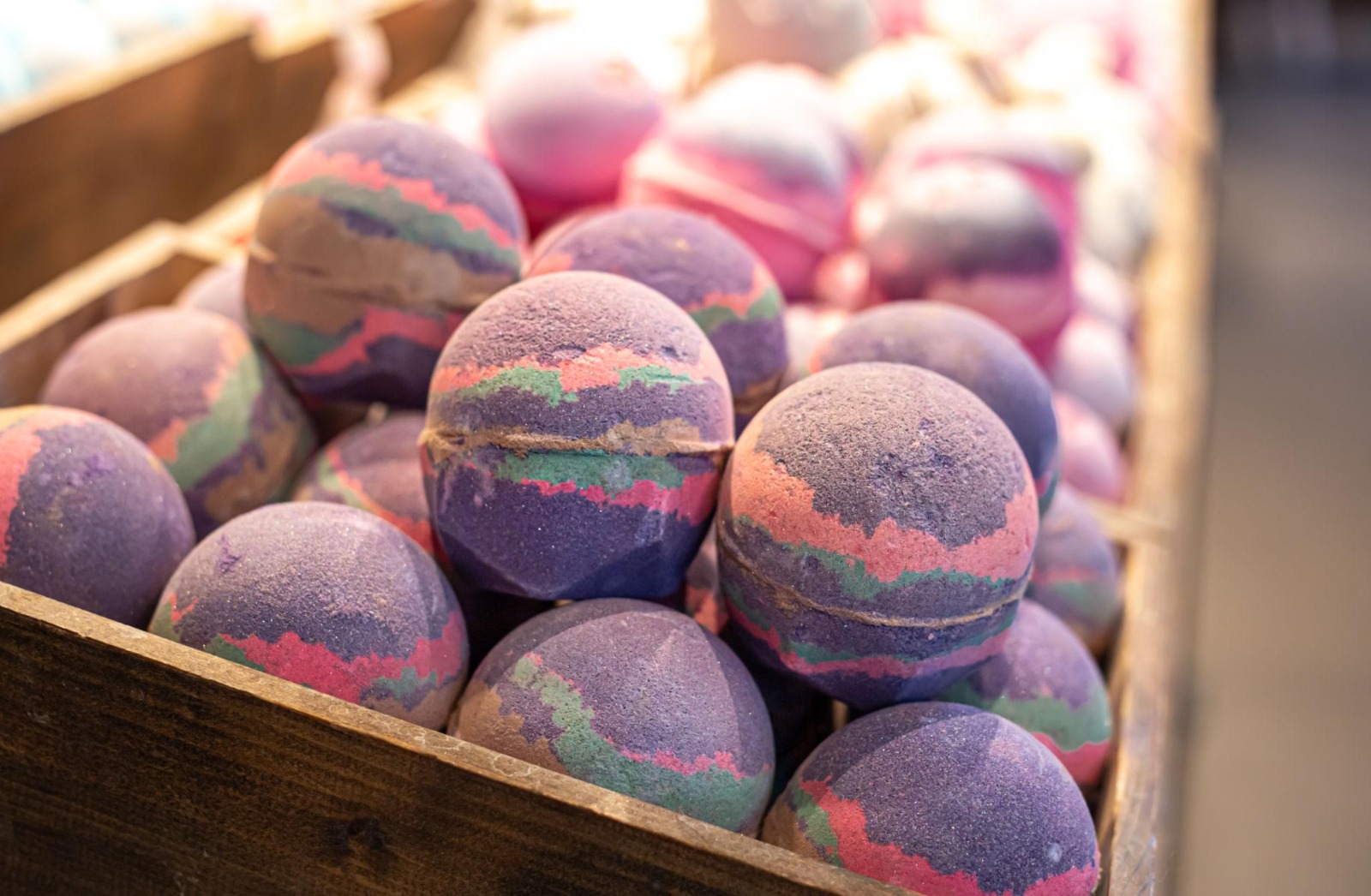
Bath Bombs Guide: Tips, Mistakes & Secrets for Perfect Results
Bath Bombs: The Small Details That Make a Big Difference
I still remember the first time I made a bath bomb that actually worked the way it should. Not cracked, not crumbly, not one that fizzed out in five seconds—but one that held its shape, dissolved slowly, and left the water feeling silky. It sounds like a small win, but anyone who’s tried making or even choosing bath bombs knows—it’s not always that straightforward.
Bath bombs look simple. That’s what makes them tricky.
It’s Not Just About the Fizz
Most people think the fizz is the main thing. Technically, yes—that reaction between baking soda and citric acid is what defines a bath bomb. But if that’s all you focus on, you’ll end up with something that fizzes nicely and does… nothing else.
A good bath bomb should feel balanced.
You drop it in water and it should hold for a bit, not vanish instantly. The fragrance should rise gently, not hit you all at once. And when you step out of the bath, your skin should feel soft—not tight, not greasy.
That balance doesn’t happen by accident.
Where Most People Go Wrong
Let’s talk honestly. I’ve seen beginners—and even sellers—make the same mistakes again and again.
They rush the process.
Or they assume adding more oils or more fragrance will improve the product. It rarely does. In fact, too much oil can leave an unpleasant film on the skin and the tub. Too much fragrance? That’s just asking for irritation.
Another common issue is moisture. This one’s subtle but important. Even a little humidity in the air can start activating your mix before you’re ready. That’s when you see bath bombs expanding, cracking, or losing their smooth finish.
And then there’s the focus on appearance. Bright colors, fancy shapes—those are great. But if the bath bomb doesn’t perform well in water, none of that really matters.
What Actually Makes a Good Bath Bomb
After working with different formulations and batches, you start noticing patterns. The best bath bombs aren’t the most complicated—they’re the most controlled.
Here’s what I personally look for:
- A firm, smooth texture before use
- A steady, even fizz (not too aggressive, not too weak)
- A fragrance that stays throughout the bath
- Water that feels soft and lightly conditioned
It’s a combination of all these things. Miss one, and the experience changes.
Ingredients Matter More Than Trends
There’s always a trend going around—charcoal bath bombs, glitter bombs, flower-filled ones. Some are worth trying, some are just visual appeal.
But the base ingredients? Those are non-negotiable.
If the core formula isn’t right, no amount of decoration can fix it.
I’ve seen simple, plain bath bombs outperform highly decorative ones just because the formulation was solid. That’s something people only realize after a bit of trial and error.
For Those Thinking of Trying It Themselves
If you’re planning to make bath bombs, keep this in mind: consistency matters more than complexity.
Start small. Don’t try ten variations at once. Make one batch, observe it closely—how it sets, how it reacts in water, how it feels on the skin.
Then adjust.
Sometimes the difference between a failed batch and a perfect one is just a slight change in moisture or mixing time. It’s that sensitive.
And yes, your first few batches might not turn out great. That’s normal. Mine didn’t either.
Why Bath Bombs Continue to Grow in Demand
People today are more conscious about how they relax. Quick solutions don’t work the same way anymore. There’s a shift toward small rituals—things that help you slow down, even if just for 20 minutes.
Bath bombs fit perfectly into that space.
They’re simple, accessible, and when done right, genuinely effective. That’s why they’ve moved beyond being just a “fun product” to something people regularly include in their self-care routine.
Final Thoughts
If there’s one thing I’ve learned, it’s this: bath bombs reward attention to detail.
They might look like a beginner-friendly product—and they are—but only if you respect the process behind them. Once you understand how each element affects the final result, everything becomes easier.
And when you finally get it right, you’ll know. Not because it looks perfect, but because it feels right—from the moment it hits the water to the moment you step out of the bath.
That’s the difference people come back for.
