
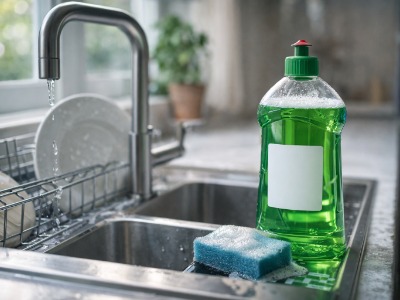
How to Start a Dishwash Liquid Business (Without Overcomplicating It)
Let me be honest with you—most people overthink this business before they even begin.
They keep searching for the “perfect formula,” the “perfect brand name,” or the “perfect time.” And in that process, months go by… sometimes even years.
But dishwash liquid is not one of those businesses where you need everything perfect from day one.
It’s a simple, everyday product. People need it. They buy it again and again. That’s what makes it powerful.
I’ve seen people start this from a small corner of their kitchen—and slowly turn it into a proper local brand. Not overnight. But steadily.
So if you’re thinking about starting a dishwash liquid business, let’s walk through it in a practical way.
First, Understand What You’re Really Selling
You’re not just selling “dishwash liquid.”
You’re selling:
- Easy cleaning
- Good fragrance
- Value for money
- And trust
Think about it—why does someone switch from one brand to another? Usually not because of technical ingredients. It’s because:
“Yeh zyada acha clean karta hai”
or
“Iski smell better hai”
That’s your real competition.
Learning the Product (Don’t Skip This Part)
I’ve met many beginners who jump straight into selling without properly understanding the product.
Then problems start:
- Liquid too thin
- Foam not enough
- Smell fades quickly
And customers don’t come back.
You don’t need a chemistry degree. But you do need basic control over your formula.
Start with small batches. Try different ratios. Notice:
- How the thickness changes
- How the foam behaves
- How long the fragrance lasts
This trial phase teaches you more than any theory.
Raw Materials – Keep It Simple in the Beginning
In the beginning, don’t complicate your setup.
Basic ingredients are enough:
- LABSA (for cleaning power)
- SLES (for foam)
- Salt (for thickness)
- Color and fragrance
- Water
That’s it.
You don’t need 10 chemicals to start. In fact, simpler formulas are easier to control.
And one more thing—always use decent quality fragrance. Cheap fragrance will ruin even a good product.
Your First Setup (Yes, You Can Start at Home)
People often imagine machines and big factories.
Reality? Most small businesses start with:
- A plastic drum
- A stick or stirrer
- Measuring jars
That’s enough.
I remember one learner who started with just two buckets and a hand mixer. Within a few months, he was supplying to 3 local shops.
So don’t wait for a “perfect setup.”
Pricing – Where Most People Go Wrong
Here’s something I always tell beginners:
Don’t try to be the cheapest in the market.
It looks tempting. But cheap pricing usually means:
- Lower margins
- Compromised quality
- Difficult growth
Instead, aim for value pricing.
If your product:
- Cleans well
- Smells good
- Looks decent
People are okay paying a little more.
Packaging – Your Silent Salesman
Let’s be real—before using your product, the customer sees the bottle.
And that first impression matters.
You don’t need expensive packaging. But you do need:
- Clean bottles
- Proper labeling
- Clear product name
Even a simple label can work if it looks neat.
I’ve seen average products sell well just because they looked trustworthy.
Selling Your First Batch (This Is the Real Test)
This part feels uncomfortable for many people.
“Kaise bechu?”
Start simple.
Go to:
- Local vendors
- People in your area
Carry your product. Talk to them. Offer small quantities.
Some will say no. That’s normal.
But some will try your product. And that’s where your real business begins.
What Actually Builds This Business
Not big investment. Not big marketing.
Three things:
1. Consistency
Same quality, every time.
2. Feedback
If someone says “foam kam hai,” improve it.
3. Patience
This is not a one-week success game.
A Small Reality Check
This business works. But only if you treat it seriously.
If you:
- Keep experimenting
- Keep improving
- Keep selling
It grows.
If you keep waiting for perfection… it doesn’t even start.
Final Thought
You don’t need to know everything before starting a dishwash liquid business.
You just need to begin, learn as you go, and stay consistent.
That’s how most small brands you see today actually started.
