
Spices Business 101: The Best Way to Get Started
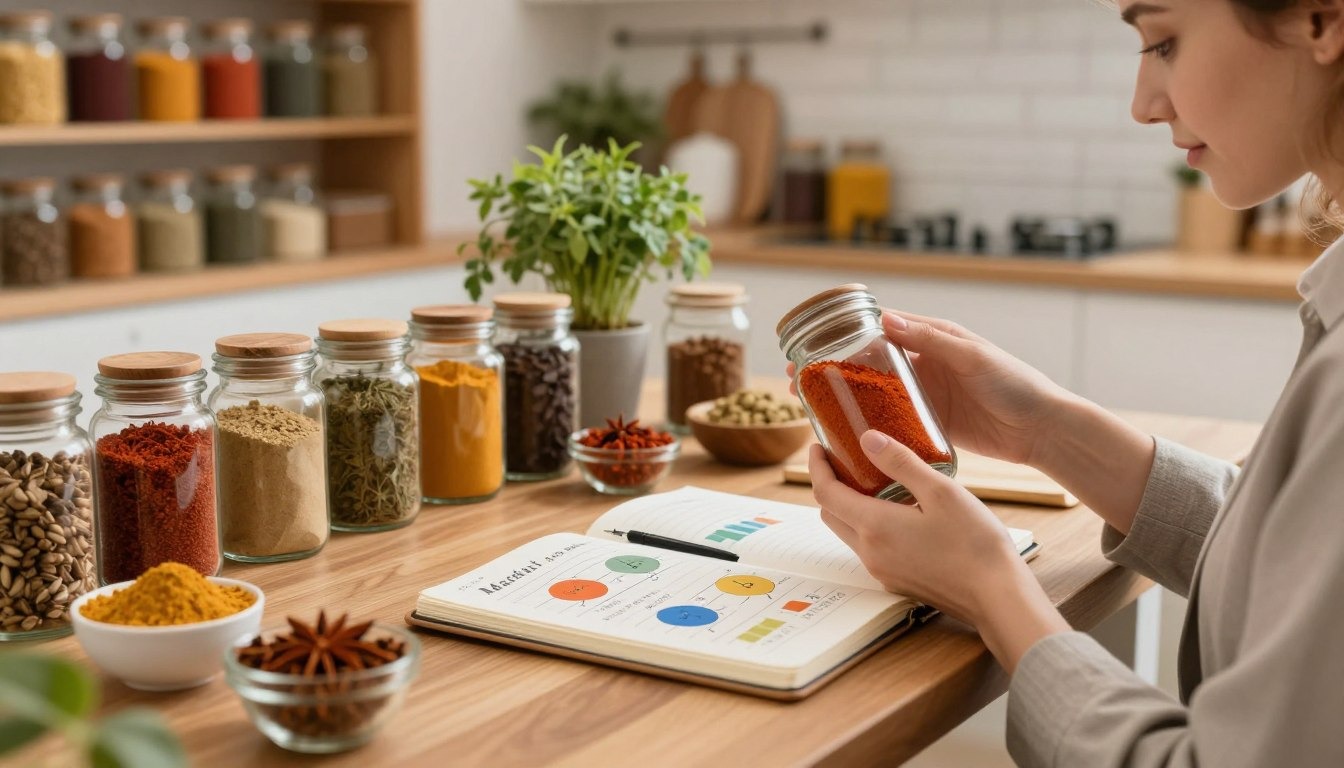
Spices Business 101: The Best Way to Get Started
Are you ready to turn your passion for flavors into a profitable venture? Starting a spices business can be a lucrative opportunity, but where do you begin?
We will guide you through the process of launching your own spice industry startup. We'll cover the essential steps to success. The spice industry is diverse, offering various business models to suit different interests and investments.
By the end of this article, you will have a clear understanding of how to start your journey in the spices industry. We will explore the different types of spice businesses, their profitability, and the initial steps to get started.
Key Takeaways
- Understanding the profitability of the spices business
- Exploring different types of spice businesses to start
- Initial steps to launch a successful spice industry startup
- Key considerations for choosing a spice business model
- Essential resources needed to start a spices business
Why the Spices Business Is a Profitable Opportunity
Starting a spices business can be very profitable. This is because people always want spices for their food. Spices are important in many cultures around the world.
Consistent Consumer Demand Across All Markets
Spices are loved everywhere, making food taste better. From cinnamon in cakes to chili peppers in meals, spices are key. This steady demand is great for a business.
The global spices market grows because of many reasons. People love trying new foods, the food industry is expanding, and online shopping makes buying spices easier.
Low Initial Investment with Strong Profit Margins
Starting a spices business doesn't cost much at first. You can start with just a few spices. With smart pricing, you can make a lot of money.
Let's look at how much money you can make compared to how much you spend:
| Business Model | Initial Investment | Potential Profit Margin |
|---|---|---|
| Whole Spices Reselling | $1,000 | 15%-20% |
| Ground and Powdered Spices | $2,000 | 20%-25% |
| Blended Masalas and Custom Spice Mixes | $3,000 | 25%-30% |
Multiple Revenue Streams and Growth Potential
The spices business has many ways to make money. You can sell whole spices, make special spice blends, or create custom mixes. This lets you keep up with what customers want and grow your business.
You can also make more money by selling in different places. Try online stores, specialty food shops, or your own website.
How to Start Spices Business: Choosing Your Business Model
Choosing the right business model is key when starting a spices business. It affects how profitable and sustainable your business can be. The spices industry offers many models, each suited for different needs and goals.
Whole Spices Reselling Business
Starting a whole spices reselling business means buying high-quality whole spices. Then, you sell them to people or businesses. This model needs little processing and equipment, making it cheap to start.
Key advantages: It costs less to start, needs less processing, and meets the demand for whole spices.
Ground and Powdered Spices Business
This business model grinds whole spices into powders or finer grinds. It's for both home use and businesses. You'll need grinding equipment and quality control to ensure the spices are consistent and pure.
Key considerations: You'll need to invest in grinding equipment. Also, maintaining quality and meeting different grind sizes are important.
Blended Masalas and Custom Spice Mixes
Creating blended masalas and custom spice mixes means mixing spices in certain ways. This makes unique flavors. It's great for catering to specific tastes or culinary traditions.
Opportunities: You can customize a lot, create unique blends, and serve niche markets.
Selecting the Best Model for Your Situation
When picking a model, think about your resources, market demand, and what you're good at. The table below helps compare each model:
| Business Model | Initial Investment | Processing Requirements | Market Potential |
|---|---|---|---|
| Whole Spices Reselling | Low | Minimal | High for niche markets |
| Ground and Powdered Spices | Moderate | Grinding equipment required | High for broad consumer market |
| Blended Masalas and Custom Spice Mixes | Moderate to High | Blending and packaging required | High for niche and specialty markets |
By looking at these factors and picking a model that fits your strengths and market, you can start a successful spices business.
Setting Up Your Spices Business: Equipment, Sourcing, and Legal Essentials
To start a spice business, you need to know about quality raw materials, the right equipment, and legal rules. We'll help you with these important steps for a strong start.
Finding Quality Suppliers and Raw Materials
Finding good suppliers is key to your spice business's success. You must get top-quality raw materials for your products. Start by looking for suppliers, checking their reputation, and asking for samples.
We suggest checking suppliers through:
- Trade shows and industry events
- Online directories and trade associations
- Referrals from other businesses in the industry
After finding suppliers, talk about prices and terms that fit your business. A good relationship with suppliers is important for getting quality materials.
Essential Equipment and Tools You'll Need
The equipment you need depends on your spice business type. Whether you work with whole spices, grind, or blend mixes, the right tools are crucial for quality and efficiency.
Equipment for Whole Spice Business
For whole spice businesses, you'll need:
- Sorting and cleaning equipment
- Packaging machinery
- Storage facilities
Equipment for Grinding and Powder Business
For grinding and powdering, you'll need:
- Grinders and pulverizers
- Sieves and sifters
- Blending machines
Good equipment improves your work and product quality. Think about your business size and needs when choosing equipment.
| Equipment Type | Whole Spice Business | Grinding and Powder Business |
|---|---|---|
| Sorting and Cleaning | Essential | Not Required |
| Grinders and Pulverizers | Not Required | Essential |
| Packaging Machinery | Essential | Essential |
Workspace Setup and Hygiene Standards
A clean and organized workspace is vital in the spice industry. You must follow strict hygiene rules to avoid contamination and keep your products quality.
Important things to consider include:
- Regular cleaning and sanitizing of equipment and surfaces
- Proper storage of raw materials and finished goods
- Training staff on hygiene practices
Understanding FSSAI License and Legal Requirements
In India, you need an FSSAI license for food businesses, including spice makers and traders. To get this license, you must follow food safety rules.
The steps are:
- Registering your business
- Submitting required documents
- Undergoing a premises inspection
It's wise to talk to a legal expert to make sure you meet all the rules and keep up with FSSAI regulations.
Branding, Packaging, and Marketing Your Spices Business
Creating a memorable brand and effective marketing strategy is key. It can make a big difference in your spices business. Focus on branding, packaging, and marketing to attract and keep customers.
Creating Memorable Brand Identity and Packaging
Your brand is more than a logo. It's the whole experience you give to customers. To leave a lasting impression, create a unique brand voice and visual identity. Also, make packaging that speaks to your target audience.
Key elements of memorable branding include:
- A distinctive logo that shows your brand's values and mission
- A consistent color scheme and typography in all marketing
- Packaging that looks good and works well
Branding expert Marty Neumeier says, "A brand is a person's gut feeling about a product, service, or company." Your branding should make people feel something and connect with them.
"The right packaging can elevate your brand and make it stand out on crowded store shelves."
Pricing Strategy and Cost Management
Finding the right price for your spices is key to making money. Think about production costs, market demand, and competition when setting prices.
A good pricing strategy balances making money with keeping prices low for customers. You can use premium pricing for high-quality spices or competitive pricing to match the market.
Marketing Strategies to Launch Your Spices Business
Good marketing is essential to start your spices business right. You need to find the right channels to reach your audience and make a buzz around your products.
Starting Local: Farmers Markets and Community Sales
Starting local lets you connect with customers, get feedback, and build a loyal base. Joining farmers' markets and community sales can help you get noticed and make sales.
Building Online Presence and E-commerce
In today's world, having an online presence is a must. Create an e-commerce site to sell online and reach more people. Use social media to promote and connect with customers.
Leveraging Word-of-Mouth and Referrals
Word-of-mouth marketing is powerful. Happy customers can spread the word to friends and family. Use referral programs or loyalty rewards to encourage them to share your business.
Conclusion
We've looked at starting a successful spice business. We talked about the good opportunities it offers. It has steady demand, low start-up costs, and many ways to make money.
To start, pick the right business model. You could sell whole spices, ground spices, or custom mixes. It's important to find good suppliers, set up your space, and follow the law.
By following these steps and making a strong brand, you can succeed. We urge you to start your spice business. This way, you can meet the growing need for spices.
With good planning, your spice business can do well. Knowing how to start and understanding the industry can help you succeed. You can build a thriving business.
FAQ
What are the initial steps to start a spices business?
How do I choose the right spice business model for my situation?
What are the essential equipment and tools needed for a spices business?
How do I source high-quality raw materials for my spices business?
What are the key factors in creating a successful brand identity for my spices business?
How can I effectively market my spices business to launch sales?
What are the legal requirements for starting a spices business?
How can I manage pricing and costs for my spices business?


Get started today
Vestibulum di ligula porta felis euismod semper. Nulla vitae elit libero, a pharetra augue. Duis mollis, est non commodo luctus.
Get The Course Now
Get started today
Vestibulum di ligula porta felis euismod semper. Nulla vitae elit libero, a pharetra augue. Duis mollis, est non commodo luctus.
Get The Course Now