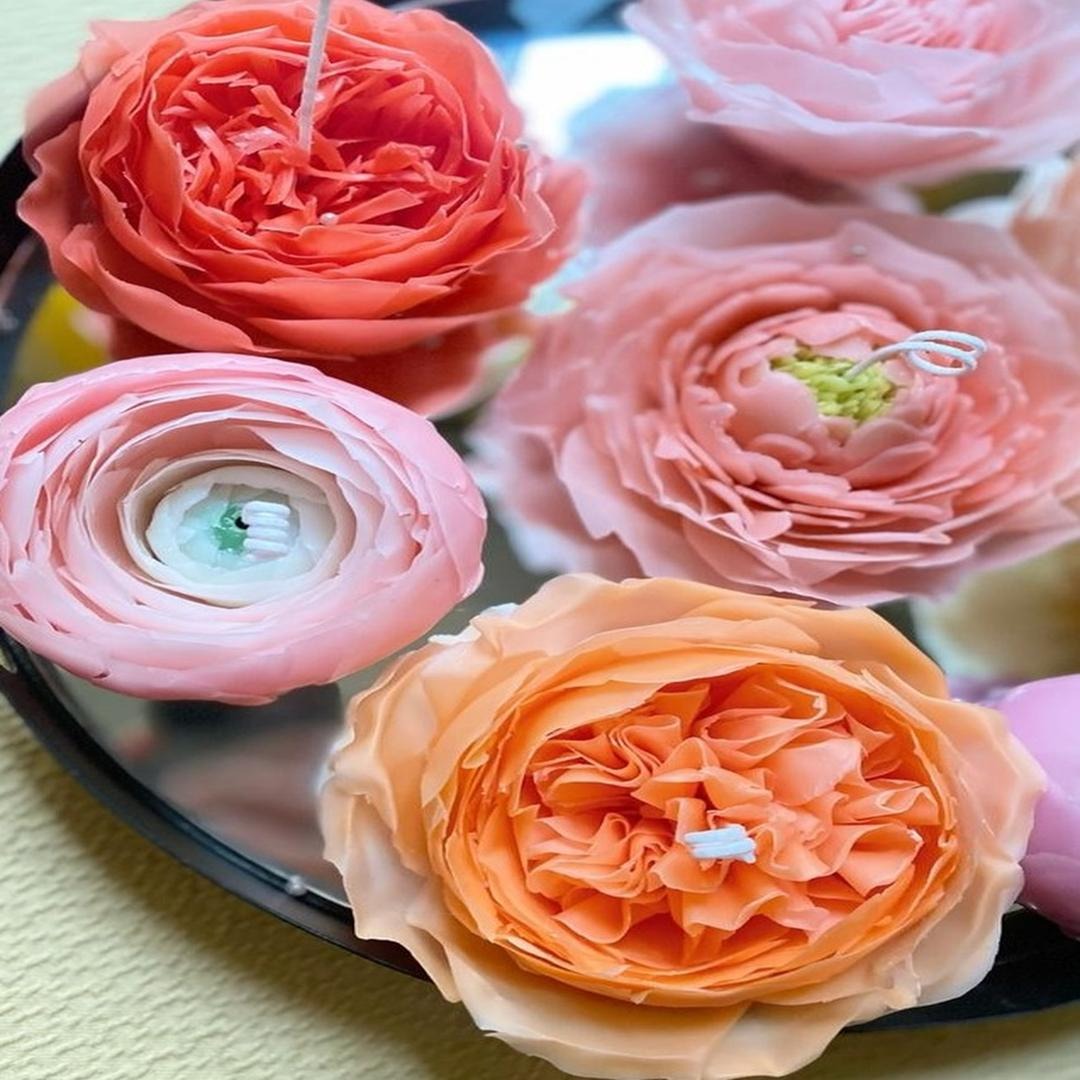
Short Term Candle Making Course7 focused, hands-on candle programs
Learn pillar, scented soy, tealight, floating, designer, gel and massage candle making through practical short-term programs, from wax selection and moulding to finishing, troubleshooting and packaging.
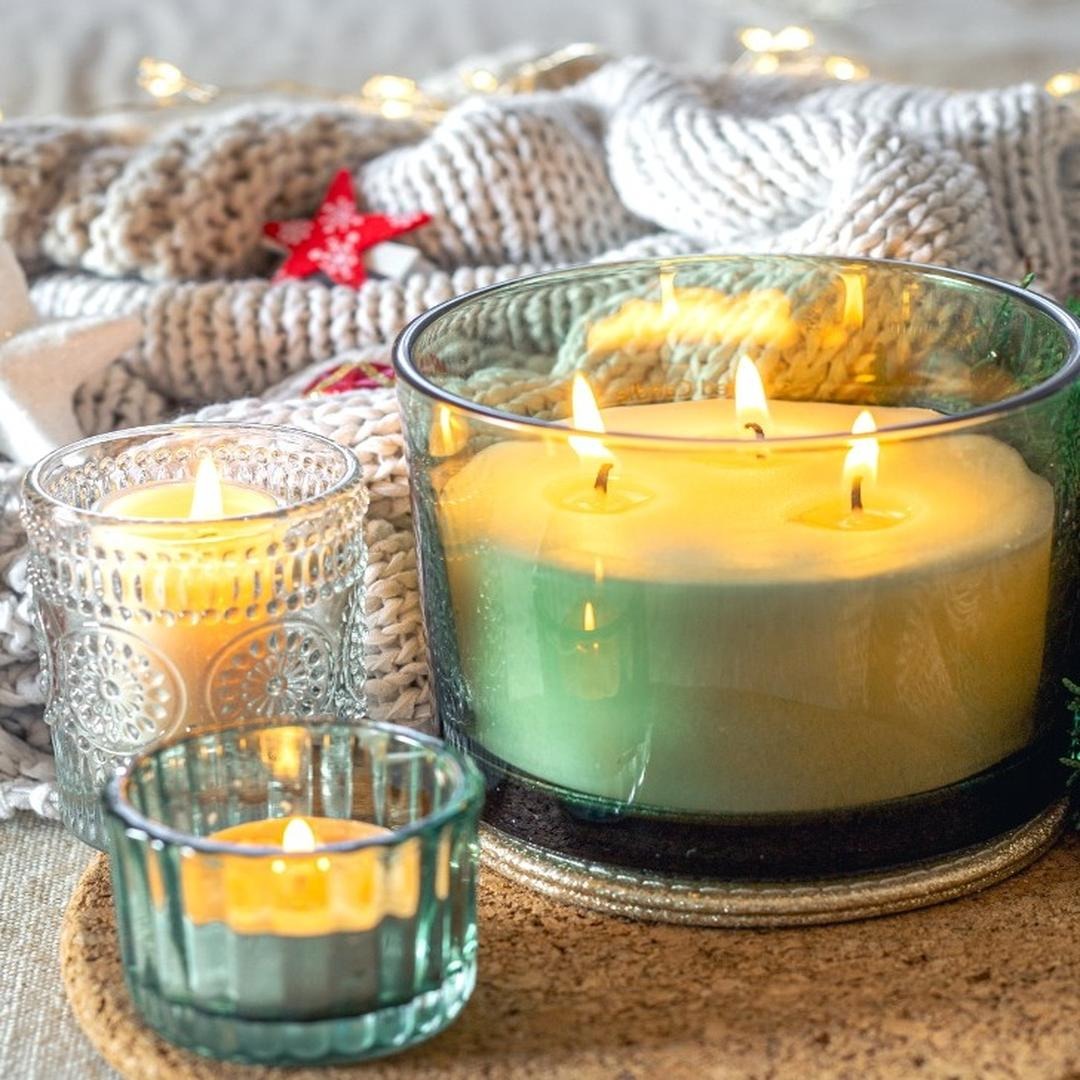
Choose Your Candle Making Course
Seven practical short-term programs. Pick one craft or build your full candle-making skill set.
Pillar Candle Making
Create Beautiful Pillar Candles Using Different Waxes & Moulding Techniques
Pillar candles are among the most popular and versatile types of handcrafted candles. They are widely used for home decoration, celebrations, religious occasions, gifting and premium decorative collections.
This practical short-term program teaches learners how to make pillar candles using paraffin, soy and beeswax, while understanding wax selection, wick sizing, moulding, cooling and finishing techniques.
What You Will Learn
Pillar Candle Fundamentals
- What are pillar candles?
- Pillar candles vs container candles
- Decorative vs functional pillar candles
- Applications and market opportunities
- Different pillar candle shapes and sizes
- Understanding pillar wax hardness
- Wax melting point and its importance
- Selecting wax for free-standing candles
- Understanding shrinkage and cooling behaviour
- Essential equipment and safe handling
Understanding Raw Materials
- Paraffin wax and its characteristics
- Soy pillar wax
- Beeswax
- Introduction to blended waxes
- Fragrance oils and essential oils
- Fragrance compatibility
- Candle dyes and suitable colourants
- Types of candle wicks
- Wick size and candle diameter
- Wick positioning and centring
- Suitable additives and their purpose
Working With Different Candle Moulds
- Aluminium moulds
- Polycarbonate moulds
- Silicone moulds
- Standard pillar moulds
- Decorative and designer moulds
Understand mould preparation, pouring methods, cooling, shrinkage management, safe demoulding and surface finishing.
Practical Candle Collection
- Paraffin Pillar Candle
- Soy Pillar Candle
- Beeswax Pillar Candle
- Scented Pillar Candle
- Designer Moulded Pillar Candle
Candle Finishing Techniques
- Achieving a smooth surface
- Correct pouring temperature
- Avoiding air bubbles
- Managing shrinkage
- Preventing rough surfaces
- Safe demoulding
- Trimming and finishing
- Preparing candles for packaging
Troubleshooting
- Cracks
- Sinkholes
- Shrinkage holes
- Rough surfaces
- Broken edges
- Difficulty demoulding
- Poor colour distribution
- Uneven burning
- Wick-related problems
Understand why pillar candles may develop these problems.
Packaging & Presentation
- Individual candle wrapping
- Protective packaging for fragile designs
- Boxes and sleeves
- Pillar candle gift sets
- Storage precautions
- Basic product costing
By the end of this program, learners should understand how to select suitable pillar waxes, work with different moulds, produce a small collection of pillar candles and identify common manufacturing and burning problems.
- Select
- Melt
- Mould
- Cool
- Finish
- Troubleshoot
Scented Soy & Luxury Container Candle Making
Create Premium Fragrance Candles for Home Décor, Gifting & Lifestyle Collections
Scented soy and luxury container candles are popular products in the home fragrance and premium gifting categories.
However, making a beautiful scented candle requires more than melting wax and adding fragrance. Wax quality, fragrance compatibility, wick selection, container size, pouring temperature and curing can all influence the final result.
This course helps learners understand the science and practical techniques behind making attractive, well-performing scented container candles.
What You Will Learn
Soy Candle Fundamentals
- What are soy candles?
- Soy wax vs paraffin wax
- Different grades of soy wax
- Container soy wax vs pillar soy wax
- Understanding wax hardness and softness
- Melting and pouring temperatures
- Cooling and curing
- Understanding soy wax frosting
- Container adhesion
- Common soy wax processing challenges
Fragrance Science for Candles
- Fragrance oils vs essential oils
- Selecting suitable candle fragrances
- Understanding fragrance load
- Fragrance compatibility
- Cold throw vs hot throw
- Importance of fragrance addition temperature
- Fragrance blending basics
- Understanding fragrance notes
- Factors influencing fragrance performance
- Importance of burn testing
Container Selection
- Heat-resistant glass containers
- Metal tins
- Suitable ceramic containers
- Container diameter
- Container compatibility and heat resistance
- Thermal shock
- Container cleaning and preparation
- Single-wick vs double-wick containers
- Wick centring and placement
Understanding Candle Wicks
- Cotton wicks
- Wooden wicks
- Wick sizing
- Wick sustainers
- Wick compatibility with wax and fragrance
- Melt-pool development
- Flame behaviour
- Wick testing
Practical Candle Collection
- Plain Soy Candle
- Scented Soy Candle
- Luxury Soy Container Candle
- Layered Soy Candle
- Decorative Soy Candle
- Single-Wick Container Candle
- Double-Wick Container Candle
- Wooden-Wick Candle
- Floral-Style Container Candle
- Crystal-Inspired Decorative Candle
- Shell-Inspired Decorative Candle
Decorative concepts will include safe placement considerations and burn testing. Flammable ornaments should not be placed where they can enter the flame or melt pool.
Premium Candle Making Techniques
- Creating coordinated fragrance collections
- Colour combinations
- Layering techniques
- Smooth candle tops
- Achieving consistent wax appearance
- Correct container filling
- Premium decorative finishes
- Creating coordinated luxury candle sets
Troubleshooting
- Soy wax frosting
- Wet spots
- Poor container adhesion
- Rough candle tops
- Sinkholes
- Tunnelling
- Weak fragrance throw
- Wick mushrooming
- Excessive soot
- Uneven melt pools
- Container overheating
Understand possible causes of these problems.
Packaging & Presentation
- Luxury glass jar presentation
- Container candle boxes
- Fragrance labelling
- Candle safety labels
- Coordinated fragrance sets
- Premium gift packaging
- Basic candle costing
Learners should understand how to create scented soy and luxury container candles while developing the ability to select suitable waxes, fragrances, wicks and containers and evaluate common candle-performance problems.
- Select
- Fragrance
- Wick
- Pour
- Cure
- Test
- Present
Tealight Candle Making
Learn to Make Everyday, Scented & Decorative Tealight Candles
Tealight candles are small, versatile candles used for decorative arrangements, celebrations, festive decorations and gifting.
They may appear simple, but wax selection, wick size, cup material, filling techniques and burn-time considerations play an important role in their quality.
This short-term program focuses on creating different types of tealight candles while understanding production methods, finishing and packaging.
What You Will Learn
Tealight Candle Fundamentals
- What are tealight candles?
- Different types of tealight candles
- Tealight candles vs regular container candles
- Common applications
- Decorative and functional tealights
- Understanding burn-time considerations
- Selecting suitable waxes
- Understanding wax hardness
- Selecting the correct wick
- Importance of wick sustainers
- Candle safety precautions
Raw Materials & Equipment
- Paraffin wax
- Soy wax
- Suitable wax blends
- Fragrance oils
- Candle colours
- Tealight cups
- Cotton wicks
- Wick sustainers
- Tealight moulds
- Melting equipment
- Temperature measurement
- Filling and cooling equipment
Tealight Production Techniques
- Preparing the wax
- Correct melting temperature
- Adding colour
- Adding fragrance
- Wick placement
- Filling tealight cups
- Pouring temperature
- Cooling and setting
- Achieving smooth finishes
- Preparing tealights for packaging
Practical Tealight Collection
- Plain Tealight Candle
- Coloured Tealight Candle
- Scented Tealight Candle
- Moulded Tealight Candle
- Container Tealight Candle
- Designer Tealight Candle
Decorative Tealight Concepts
- Coordinated colour collections
- Fragrance-based tealight sets
- Festive tealights
- Tealights for gift hampers
- Decorative arrangements
- Premium tealight presentations
Troubleshooting & Quality Control
- Uneven burning
- Wick instability
- Incomplete wax consumption
- Poor fragrance performance
- Irregular surfaces
- Colour inconsistencies
- Incorrect wick positioning
- Excessive flame or soot
- Cup overheating
Packaging & Presentation
- Individual tealight packaging
- Multipack tealight sets
- Festive retail packs
- Decorative boxes
- Bulk packaging
- Storage
- Basic production costing
By the end of the program, learners should understand how to manufacture basic, scented and decorative tealight candles, select suitable raw materials, evaluate burning behaviour and create attractive retail or gifting collections.
- Select
- Prepare
- Fill
- Cool
- Test
- Package
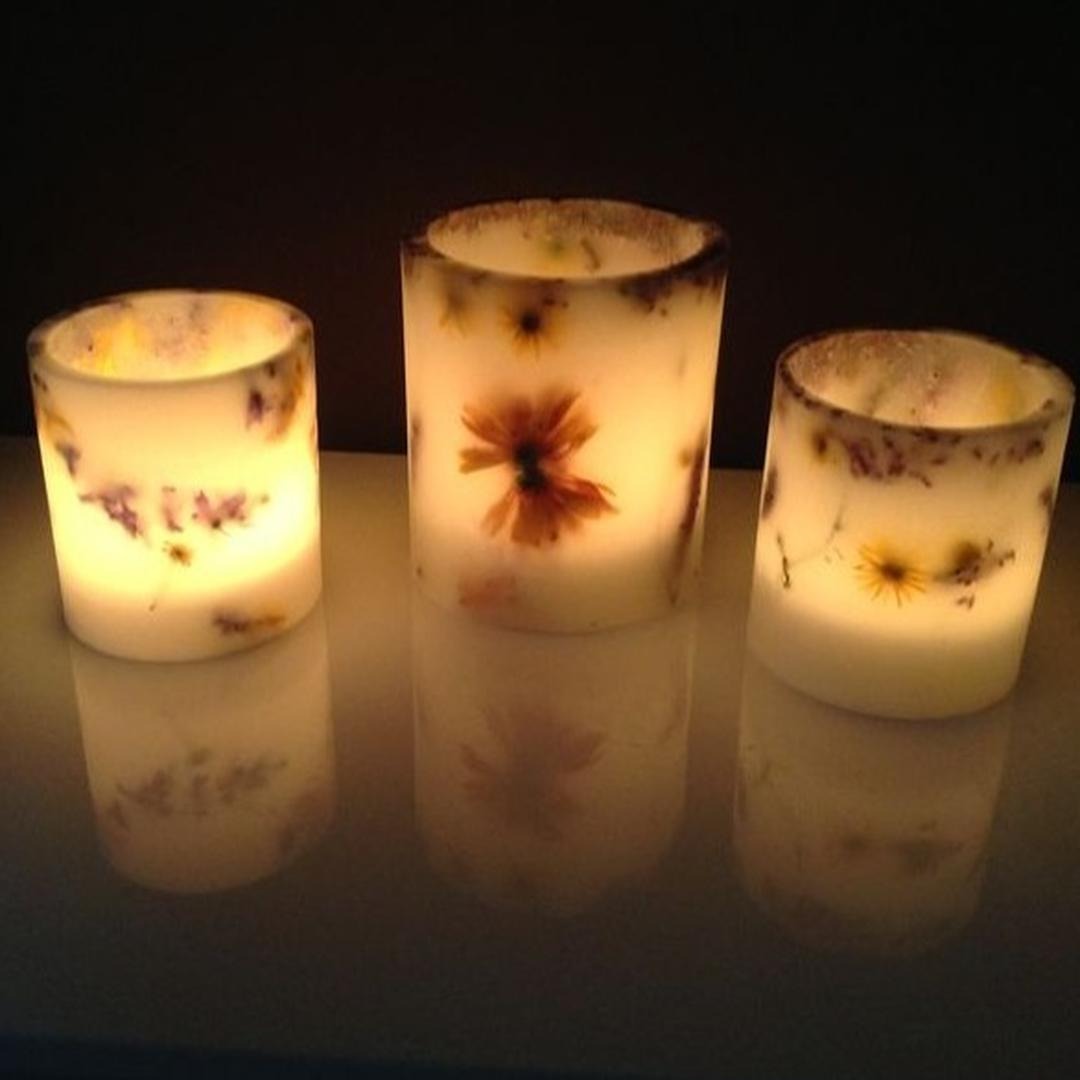
Floating Candle Making
Create Beautiful Floating Candles for Celebrations, Festive Décor & Special Occasions
Floating candles are attractive decorative products commonly used in water-filled bowls, festive arrangements, celebrations and event decoration.
Unlike ordinary candles, floating candles require attention to candle shape, wax selection, wick placement, balance and buoyancy.
This focused practical course teaches learners to create different floating candle designs while understanding their construction, finishing and safe use.
What You Will Learn
Floating Candle Fundamentals
- What are floating candles?
- Floating candles vs regular candles
- Applications in festive decorations
- Water-based decorative candle arrangements
- Importance of candle shape
- Understanding balance and buoyancy
- Selecting suitable waxes
- Understanding wax hardness
- Wick selection
- Candle stability
- Importance of safe burning
Raw Materials & Equipment
- Suitable paraffin wax
- Appropriate pillar or blended waxes
- Candle dyes
- Fragrance oils
- Cotton wicks
- Floating candle moulds
- Decorative moulds
- Thermometer
- Melting vessels
- Pouring equipment
Floating Candle Making Techniques
- Mould selection
- Preparing suitable wax
- Wick positioning
- Melting temperature
- Colour addition
- Pouring techniques
- Cooling
- Demoulding
- Finishing
- Testing floating performance
Practical Floating Candle Collection
- Plain Floating Candle
- Designer Floating Candle
- Scented Floating Candle
- Pebble Floating Candle
- Shaded Pebble Floating Candle
- Festive Floating Candle
Decorative Floating Candle Techniques
- Colour combinations
- Shading effects
- Pebble-style designs
- Decorative shapes
- Coordinated festive collections
- Floating candle arrangements
- Creating themed candle sets
Performance & Troubleshooting
- Candle tilting
- Poor floating stability
- Uneven burning
- Water reaching the wick
- Candle extinguishing prematurely
- Incorrect candle shape
- Wick-positioning problems
- Cracks and surface defects
- Difficulty demoulding
Understand possible reasons for these problems.
Safety, Packaging & Presentation
- Safe use in water arrangements
- Suitable water-filled containers
- Flame clearance from decorations
- Safe distance between candles
- Protective candle packaging
- Floating candle gift sets
- Festive presentation
- Basic costing
Learners should understand the techniques required to create attractive floating candles and evaluate their balance, burning behaviour, appearance and suitability for decorative arrangements.
- Design
- Mould
- Float
- Test
- Finish
- Present
Occasion & Designer Candle Making
Create Personalised Candles for Baby Showers, Weddings, Celebrations & Luxury Gifting
Occasion-based candles offer creative opportunities for customised gifting and decorative product collections.
Customers often look for candles that match a particular celebration, colour theme, occasion or personal preference.
This course teaches learners to create distinctive decorative candles using suitable moulds, colour combinations and premium finishing techniques.
What You Will Learn
Understanding Occasion-Based Candles
- What are occasion-based candles?
- Decorative candles vs functional candles
- Applications in customised gifting
- Understanding customer preferences
- Developing occasion-based themes
- Selecting suitable candle shapes
- Choosing appropriate waxes
- Fragrance selection
- Colour coordination
- Personalisation concepts
- Product presentation
Designer Candle Raw Materials
- Paraffin wax
- Soy pillar wax
- Beeswax
- Appropriate wax blends
- Candle colourants
- Fragrance oils
- Silicone moulds
- Decorative moulds
- Suitable surface-finishing materials
- Metallic-effect materials
- Decorative embellishments
Understanding Designer Moulds
- Types of designer moulds
- Silicone mould selection
- Mould preparation
- Complex shape considerations
- Pouring temperature
- Avoiding trapped air
- Cooling management
- Safe demoulding
- Protecting delicate designs
Practical Baby Shower Candle Collection
- Teddy Candle
- Baby Feet Candle
- Stroller Candle
- Moon & Stars Candle
- Announcement Candle
Designer Candle Techniques
- Colour combinations
- Metallic finishes
- Textured candles
- Pearl-inspired effects
- Decorative surface finishing
- Glitter-effect concepts
- Festive designs
- Luxury finishing techniques
- Decorative embellishment concepts
- Coordinated designer collections
Creating Premium Occasion Collections
- Baby shower candle sets
- Wedding candle collections
- Festive candle collections
- Theme-based gift sets
- Celebration candle collections
- Personalised decorative candles
- Coordinated colour and fragrance sets
Explore concepts such as these.
Troubleshooting
- Broken or damaged designs
- Rough surfaces
- Air bubbles
- Uneven colours
- Mould-related defects
- Fragile decorative details
- Poor finishing
- Shrinkage
- Fragrance and colour inconsistencies
Learn why designer candles may develop these problems. Also understand the importance of burn testing, safe decoration placement and distinguishing between burnable candles and display-only decorative items.
Packaging & Presentation
- Premium gift boxes
- Protective packing for delicate candles
- Theme-based gift sets
- Wedding favours
- Baby shower return gifts
- Festive packaging
- Personalised product presentation
- Basic costing
Learners should understand how to create occasion-based and designer candles, coordinate colours and decorative finishes, work with detailed moulds and develop attractive themed collections.
- Imagine
- Design
- Mould
- Decorate
- Finish
- Package
Decorative Gel Candle Making
Create Transparent, Decorative & Aquarium-Inspired Gel Candles
Gel candles are distinctive because of their transparent appearance and ability to create attractive visual effects inside suitable containers.
Making a successful gel candle requires understanding gel wax properties, processing temperatures, fragrance compatibility, clarity, suitable decorations and combustion safety.
This practical course teaches learners the fundamentals of gel candle making and the methods used to create decorative transparent candle collections.
What You Will Learn
Gel Candle Fundamentals
- What are gel candles?
- Gel wax vs traditional candle wax
- Composition and characteristics of gel wax
- Low-density gel wax
- Medium-density gel wax
- High-density gel wax
- Selecting suitable gel wax
- Transparent candle appearance
- Importance of temperature control
- Suitable containers
- Safety precautions
Understanding Gel Candle Raw Materials
- Different gel wax grades
- Gel-compatible fragrance oils
- Importance of fragrance compatibility and flash-point considerations
- Suitable gel candle colourants
- Wick selection
- Wick sustainers
- Heat-resistant glass containers
- Suitable decorative materials
- Nonflammable decorative concepts
- Equipment for gel candle making
Gel Candle Processing Techniques
- Correct gel wax melting
- Managing processing temperature
- Adding suitable colour
- Fragrance incorporation
- Avoiding excessive air bubbles
- Container preparation
- Wick placement
- Pouring
- Layering concepts
- Cooling and setting
- Maintaining transparency
Practical Gel Candle Collection
- Plain Gel Candle
- Embedded-Effect Gel Candle
- Shell-Themed Gel Candle
- Floral-Themed Gel Candle
- Aquarium-Style Gel Candle
- Decorative Transparent Gel Candle
- Festive Gel Candle
Decorative Gel Candle Techniques
- Creating transparent visual effects
- Colour combinations
- Layered gel candle concepts
- Understanding embed placement
- Developing aquarium-style appearances
- Floral-inspired designs
- Creating themed decorative collections
- Surface finishing
- Product presentation
Only gel-compatible, nonflammable decorations verified for their intended placement should be used in burnable candles. Unsafe objects should be kept outside the candle or restricted to display-only designs.
Gel Candle Troubleshooting
- Excessive air bubbles
- Cloudiness
- Poor transparency
- Uneven appearance
- Colour-related problems
- Fragrance incompatibility
- Container-related issues
- Wick instability
- Burning problems
- Overheating
Understand possible causes of these problems.
Packaging & Presentation
- Glass container protection
- Decorative gel candle boxes
- Gift sets
- Storage considerations
- Product safety labels
- Basic gel candle costing
Learners should understand the properties of gel wax, basic transparent candle-processing techniques and the development of decorative gel candle collections while recognising important compatibility and combustion safety requirements.
- Select
- Melt
- Design
- Pour
- Clarify
- Test
- Present
Premium Massage Candle Making
Learn the Science of Luxury Massage Candles Using Cosmetic Oils, Butters & Low-Melting Waxes
Massage candles are a specialised category that combines candle-making knowledge with cosmetic formulation principles.
Unlike ordinary decorative candles, massage candles are developed using suitable low-melting waxes, cosmetic oils and butters to produce a warm, emollient composition intended for skin application after appropriate cooling.
This course introduces learners to ingredient selection, formulation concepts, aromatic blending, container selection, processing methods and essential skin-safety considerations.
What You Will Learn
Massage Candle Fundamentals
- What are massage candles?
- Massage candles vs ordinary candles
- Introduction to low-melting candles
- How massage candles work
- Spa and wellness applications
- Luxury gifting opportunities
- Understanding the massage candle market
- Importance of skin-compatible ingredients
- Melting temperature vs safe application temperature
- Product texture
- Skin feel and emolliency
- Product stability and safety
Understanding Waxes
- Soy wax
- Soy blend wax
- Coconut wax
- Beeswax in suitable controlled proportions
Understand why different waxes affect melting characteristics, texture, hardness and skin feel.
Understanding Cosmetic Butters
- Shea Butter
- Cocoa Butter
- Mango Butter
- Kokum Butter
Learn how butters influence texture, richness, consistency and conditioning characteristics.
Understanding Carrier Oils
- Sweet Almond Oil
- Jojoba Oil
- Avocado Oil
- Grapeseed Oil
- Apricot Kernel Oil
Understand the role of carrier oils in spreading, skin feel and the finished product.
Other Important Ingredients
- Vitamin E
- Antioxidants
- Skin-conditioning ingredients
- Ingredient compatibility
- Oxidation and rancidity considerations
Aromatherapy & Fragrance Fundamentals
- What is aromatherapy?
- Essential oils vs fragrance oils
- Understanding fragrance notes
- Top, middle and base notes
- Basic fragrance blending
- Fragrance compatibility
- Introduction to IFRA guidelines
- Skin-contact fragrance restrictions
- Avoiding unsupported therapeutic claims
Massage Candle Containers & Wicks
- Suitable ceramic pouring containers
- Metal tins
- Heat-resistant glass containers
- Containers with pouring edges
- Cotton wicks
- Wooden wicks
- Wick selection
- Understanding flame behaviour
- Safe container design
Practical Massage Candle Collection
- Basic Massage Candle
- Balanced Premium Massage Candle
- Luxury Spa Massage Candle
- Stress Relief–Themed Massage Candle
- Refresh & Revival Massage Candle
- Romantic Calming Massage Candle
- Mood Uplift–Themed Massage Candle
These product names describe fragrance and sensory themes, not established therapeutic benefits.
Formulation & Processing
- Selecting appropriate waxes
- Understanding wax and oil ratios
- Incorporating butters
- Fragrance selection
- Managing melting temperatures
- Correct blending
- Filling containers
- Cooling and setting
- Understanding final product texture
- Evaluating product consistency
Troubleshooting
- Excessive hardness
- Excessive softness
- Poor melting characteristics
- Ingredient separation
- Grainy texture
- Fragrance incompatibility
- Oxidation
- Rancidity
- Instability
- Inconsistent skin feel
Understand why a massage candle may develop these problems.
Skin Safety & Product Evaluation
- Cosmetic-grade ingredient selection
- Skin-contact suitability
- Cooling before application
- Safe application temperature
- Fragrance safety
- Usage instructions
- Stability evaluation
- Appropriate skin-safety assessment
- Product testing before commercial use
Massage candle formulations require appropriate skin-safety and stability assessment, suitable cosmetic-grade materials and compliance evaluation before being sold for skin application. Melted candle material must not be applied directly without verifying a safe temperature.
Packaging & Presentation
- Premium spa-style packaging
- Suitable containers
- Usage instructions
- Ingredient information
- Product safety warnings
- Luxury gifting presentation
- Basic product costing
By the end of this program, learners should understand the formulation principles of massage candles, the roles of waxes, butters and oils, important processing techniques and the safety assessments necessary when developing skin-contact products.
- Understand
- Formulate
- Blend
- Pour
- Evaluate
- Present
Start your candle making journey today
Join 1,00,000+ learners trained by CSDO and turn your candle craft into gifts, décor and a product line of your own.