Learn One Skill at a Time

Not everyone wants to begin with a complete long-term program. CSDO’s Short-Term Courses let you choose the product category you are most interested in and learn it through focused, practical training.

Start with one skill today. You can always continue your learning journey later.

One product category per course
Focused, practical training
Troubleshooting in every course
Continue to the full program later
Short-Term Courses

Pick the Product You Want to Master

Each course covers one soap or bath product category, from fundamentals to finished, presentable products. Open any course to see its full syllabus.

Every course includes Practical training Troubleshooting Packaging & presentation
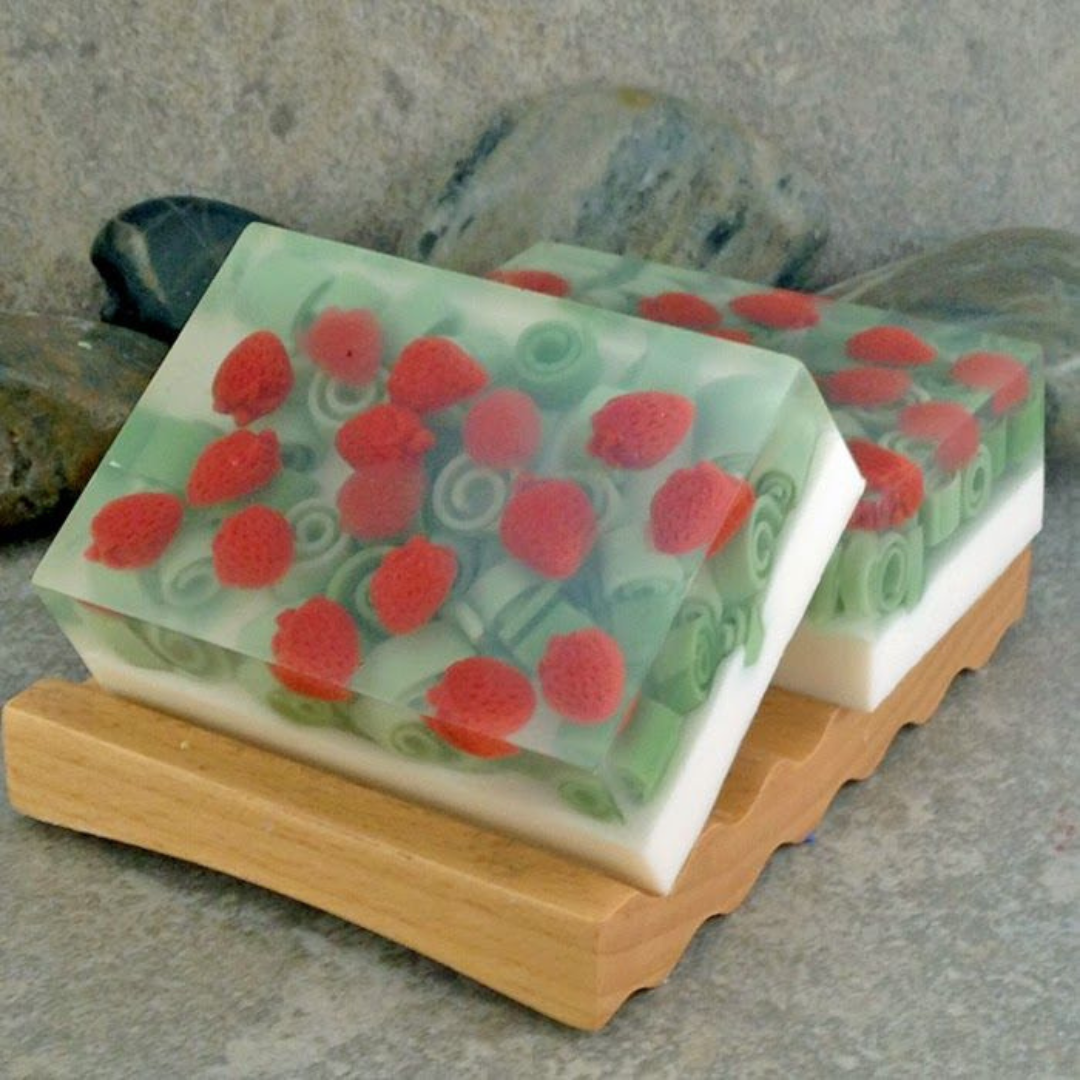
Designer melt and pour soaps 01
Beginner Friendly · No Lye

Melt & Pour Soap Making

From Basic Soap to Beautiful Designer Creations

Create beautiful handmade soaps without working with lye. Learn to use ready-made Melt & Pour Soap Base correctly and transform it into attractive handmade soaps.

Learn Melt Create Troubleshoot Finish
Ask Fee & Next Batch

7 modules · 10 practical products

01Melt & Pour Fundamentals

  • What Melt & Pour soap base is and how it differs from Cold Process soap
  • Transparent vs white/opaque and other soap base types
  • Selecting the right soap base and equipment required
  • Correct cutting, melting and temperature control
  • When to add colour and fragrance
  • Fragrance oils vs essential oils
  • Colours, micas and pigments
  • Herbal powders, exfoliants and other useful additives
  • Correct pouring, moulding, demoulding and finishing

02Herbal Melt & Pour Soaps

How herbs and botanical ingredients can be incorporated thoughtfully.

PracticalNeem SoapTurmeric SoapSandalwood SoapAloe Vera Soap

03Scrub & Exfoliating Soaps

  • Understanding exfoliation
  • Selecting suitable scrub materials
  • Particle size and correct quantity
  • Avoiding settling
PracticalCoffee Scrub SoapOatmeal Soap

04Specialty Melt & Pour Soaps

PracticalCharcoal SoapGoat Milk & Saffron Soap

05Designer Soap Making

  • Colour combinations
  • Combining transparent and white bases
  • Creating soap pieces for designs
  • Temperature control to keep embeds from melting
  • Layering and arrangement
  • Professional cutting and finishing
PracticalDesigner Chunk SoapColourful Confetti Soap

06Troubleshooting

Why MP soap may develop:

Sweating · Cloudiness · Bubbles · Softness · Colour bleeding · Fragrance fading · Additive settling · Demoulding problems · Shrinkage

07Storage & Business Basics

Storage · Wrapping · Packaging · Basic costing

Learning outcome: Work confidently with Melt & Pour Soap Base and create a small collection of basic, herbal, scrub, specialty and designer soaps.
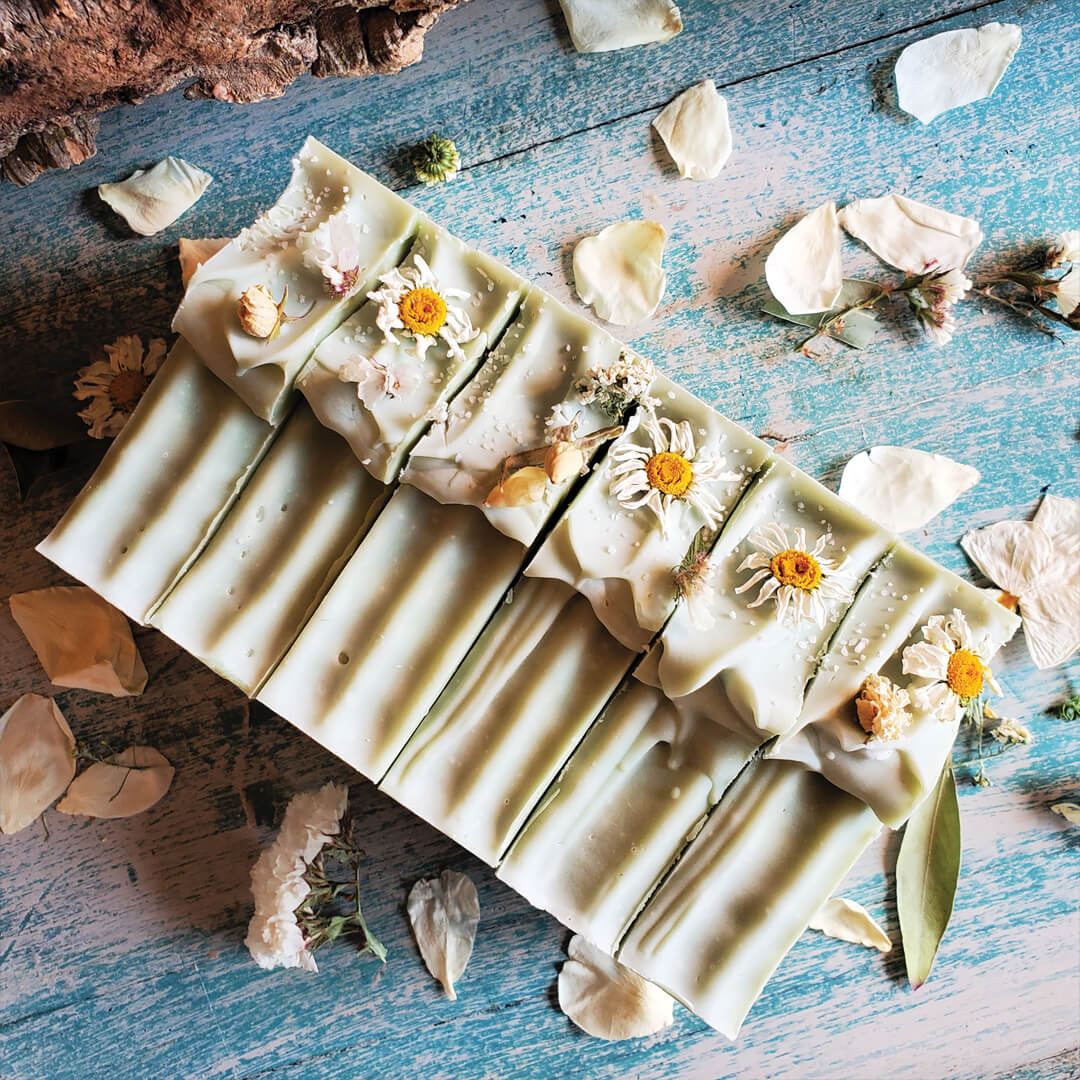
Cold process soap bars curing 02
Oils + Lye · Traditional Method

Cold Process Soap Making

Understand Oils, Lye & Traditional Soap Making

Go beyond ready-made soap base and learn the fundamentals of making soap from oils and lye through the traditional Cold Process method.

Understand Calculate Make Cure Troubleshoot
Ask Fee & Next Batch

7 modules · 3 practical products

01Understanding Oils & Butters

How oils influence hardness, cleansing, conditioning, creaminess, lather, skin feel and cost.

  • Oils: coconut, olive, rice bran, castor, palm, almond, sesame and sunflower
  • Butters: shea, cocoa, kokum and mango

02Lye & Saponification

  • What sodium hydroxide (NaOH) and saponification are
  • Understanding SAP value and why oils need different amounts of NaOH
  • Basic NaOH and water calculation
  • Introduction to superfatting and percentages
  • Lye safety, safe preparation and handling

03Making Your First Cold Process Soap

The complete process:

Weighing → Preparing Lye → Preparing Oils → Temperature → Mixing → Emulsification → Trace → Colour/Fragrance → Pouring → Insulation → Unmoulding → Cutting → Curing

04Herbal Cold Process Soap

  • Selecting herbs
  • How, when and how much herbal powder to add
  • Managing colour and texture
  • Fragrance selection
PracticalNeem SoapSandalwood SoapTurmeric Soap

05Clay & Naturally Coloured Soaps

  • Kaolin, bentonite, French green and rose/pink clay
  • Dispersion and usage level
  • Effect on texture
  • Colour and fragrance combinations

06Cutting, Curing & Finishing

  • Correct cutting time and finished bar size
  • Uniform bars and weight loss during curing
  • Why Cold Process soap needs curing, and for how long
  • Ventilation and storage
  • When to package, packaging options and basic labelling awareness

07Troubleshooting

Common issues:

Soap too soft or too hard · False trace · Seizing · Separation · Soda ash · Cracking · Overheating · Low lather · Fragrance problems · pH concerns

Learning outcome: Move from being afraid of lye to understanding the fundamental science and safe process behind traditional Cold Process soap making.

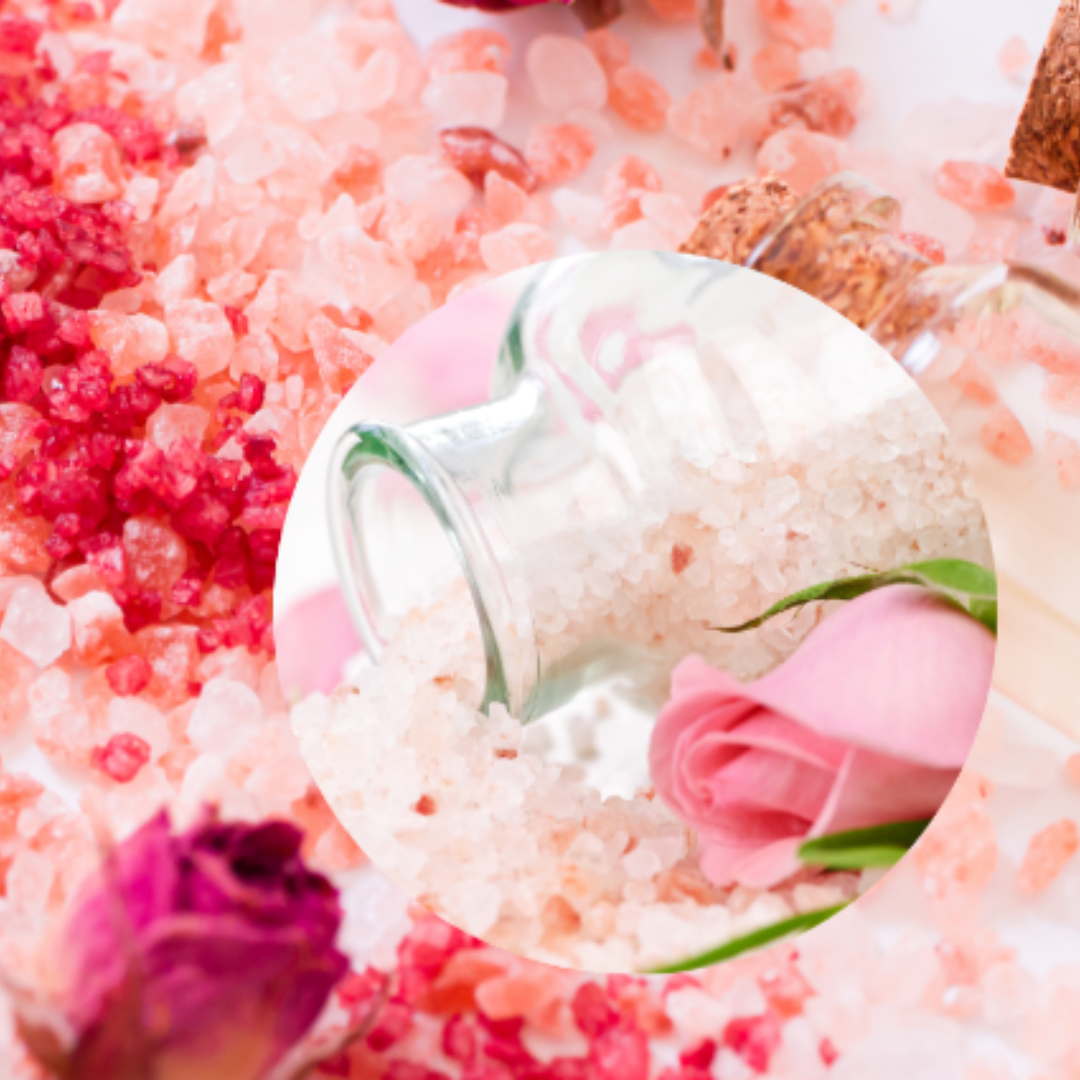
Aromatic bath salt jars 03
Beginner Friendly · Spa Products

Bath Salt Making

Create Bath Salts, Foot Soaks & Spa-Inspired Products

A beginner-friendly program focused on understanding bath salts and developing attractive bath salt and foot-soak products.

Select Blend Fragrance Present Package
Ask Fee & Next Batch

6 modules · 6 practical products

01Bath Salt Fundamentals

  • What bath salts are
  • Epsom salt, sea salt and Himalayan salt
  • Grain size and appearance
  • Colours, fragrance oils and essential oils
  • Botanicals and herbal ingredients
  • Moisture management
  • Safe usage considerations and storage

02Aromatic Bath Salts

  • Fragrance and colour selection
  • Correct mixing
  • Creating an attractive finished product

03Herbal & Floral Bath Salts

  • Selecting suitable botanicals: rose, lavender and herbal combinations
  • Managing moisture
  • Colour and fragrance coordination

04Professional Foot Soaks

  • Bath salt vs foot soak
  • Ingredient selection
  • Product presentation
  • Directions for use

05Product Variations

PracticalAromatic Bath SaltHerbal Bath SaltFloral Bath SaltRelaxing Bath SaltFoot SoakSpa-Style Salt

06Troubleshooting & Presentation

  • Clumping, excess moisture, uneven colour and fragrance problems
  • Botanical considerations and storage
  • Jar and pouch packaging
  • Layered presentation and gift sets
  • Basic costing

Learning outcome: Develop, finish and present a small collection of bath salts and foot-soak products.

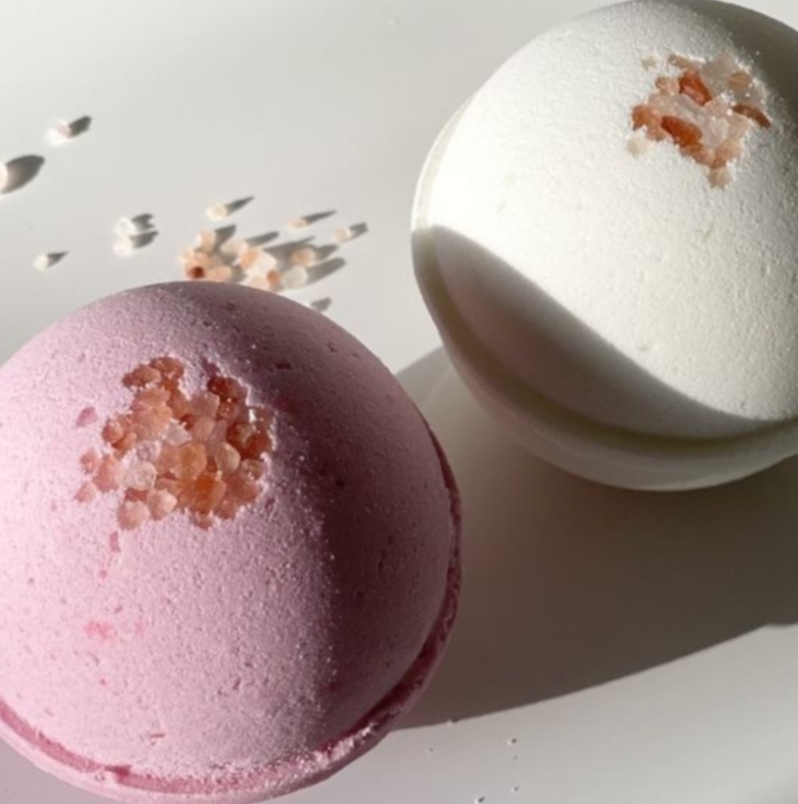
Fizzy bath bombs 04
Science + Practical

Bath Bomb Making

Learn the Science, Making & Troubleshooting Behind the Fizz

Bath bombs look simple, but moisture, ingredient balance and technique can completely change the result. Learn both the science and the practical process.

Understand Mix Mould Dry Troubleshoot Present
Ask Fee & Next Batch

5 modules · 1 practical product

01Bath Bomb Fundamentals

  • What a bath bomb is and how it works
  • The fizzing reaction: role of sodium bicarbonate and citric acid
  • Correct balance of dry ingredients
  • Suitable colours, fragrance oils and essential oils
  • Oils, liquid ingredients and binders
  • Optional additives and botanicals
  • Moisture, humidity, safe handling and storage

02Practical Bath Bomb Making

The complete process:

Weigh → Mix Dry Ingredients → Add Colour → Add Fragrance → Adjust Consistency → Fill Mould → Compress → Unmould → Dry → Finish

PracticalClassic Fizzy Bath Bomb

03Moulding & Finishing

  • Choosing bath bomb moulds
  • Correct consistency and filling the mould
  • Compression and joining two halves
  • Unmoulding, drying and hardening
  • Evaluating the finished bath bomb

04Troubleshooting

Possible reasons for:

Cracking · Crumbling · Soft bath bombs · Expanding/swelling · Premature fizzing · Shape failure · Breaking after drying · Uneven colour · Colour spots · Weak fragrance · Sticking to mould · Poor fizzing

05Packaging & Presentation

  • Individual wrapping, pouches and boxes
  • Bath bomb sets and gift presentation
  • Moisture protection and storage
  • Basic costing

Learning outcome: Understand not only how to make a bath bomb, but why ingredient balance, moisture and technique determine whether it succeeds.

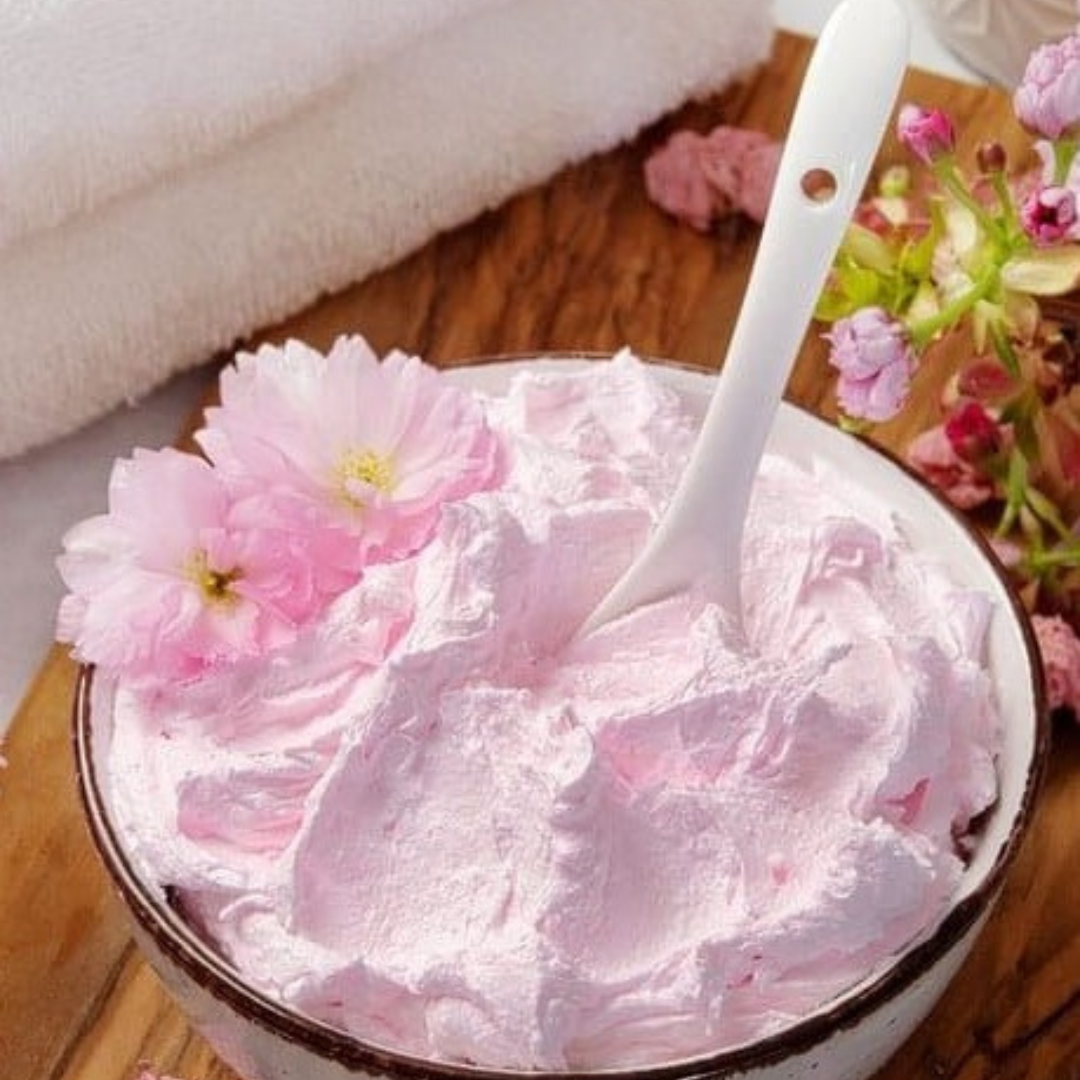
Whipped foaming soap butter 05
Creamy Bath Products

Whipped Soap Making

Create Creamy Whipped Soaps & Scrubs

Create soft, creamy and beautifully presented whipped soap and exfoliating whipped scrub products in a focused practical program.

Formulate Whip Texture Finish Troubleshoot Package
Ask Fee & Next Batch

5 modules · 3 practical products

01Understanding Whipped Soap

  • What whipped soap is, and how it differs from traditional soap
  • Understanding the base
  • Introduction to surfactants and humectants
  • Oils, butters and structuring ingredients
  • Colour and fragrance
  • pH basics, texture and product stability
  • Storage considerations

02Making Whipped Soap

  • Ingredient preparation and correct mixing
  • Whipping technique for the desired texture
  • Adding colour and fragrance
  • Filling jars and professional finishing
PracticalBasic Whipped SoapCreamy Whipped SoapFragranced Whipped Variations

03Whipped Scrub

How exfoliating ingredients can be incorporated into a whipped product.

  • Selecting exfoliants and sugar-based scrub concepts
  • Exfoliant quantity
  • Colour, fragrance, filling and presentation

04Troubleshooting

Too soft · Too stiff · Loss of whipped volume · Graininess · Texture problems · Separation/stability · Fragrance and colour issues

05Packaging & Presentation

  • Suitable jars and filling techniques
  • Piping and presentation
  • Storage and basic costing
  • Creating a coordinated product range

Learning outcome: Create attractive whipped bath products while understanding the ingredients, texture and common formulation problems behind them.

The Complete Journey

Want to learn the complete soap-making journey?

Learn Melt & Pour + Cold Process + Bath Salts + Bath Bombs + Whipped Soap together in our comprehensive CSDO Soappreneur – Silver Level program.