Short Term Hair Care CourseHair oil, conditioner & shampoo making
Learn professional hair oil, hair conditioner and shampoo making through practical, day-wise short-term programs, from raw materials and formulation to troubleshooting, packaging and costing.
Choose Your Hair Care Course
Three practical short-term programs. Tap a course to jump straight to its details.
Professional Hair Oil Making
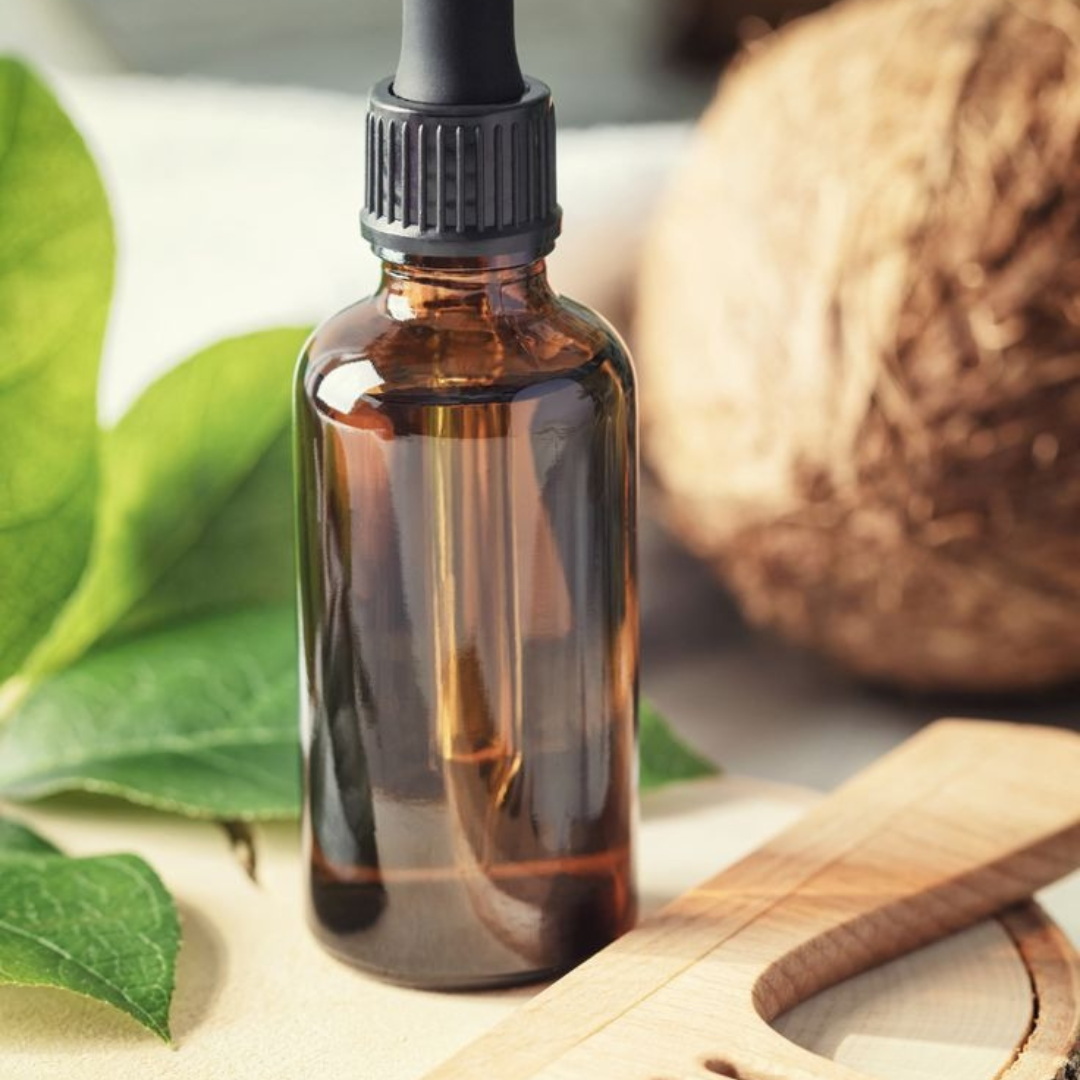
Learn the art and science of making professional hair oils using natural carrier oils, traditional herbs, botanical ingredients and modern cosmetic techniques. This hands-on course introduces students to herbal infusion, aromatic blending, lightweight hair oils and premium hair care formulations.
Students will understand different hair oil-making methods and learn to prepare traditional, herbal, aromatic and modern lightweight hair oil formulations. They will also gain basic knowledge of packaging, costing and product quality.
View day-wise syllabus & practical formulations
Day 1 – Hair Oil Fundamentals and Raw Material Knowledge
- Introduction to hair anatomy, hair types and scalp care.
- Importance and benefits of hair oils.
- Understanding different carrier oils: coconut, almond, castor, jojoba, argan and other oils.
- Traditional herbal ingredients such as amla, bhringraj and brahmi.
- Understanding essential oils, fragrances, antioxidants and oil-soluble ingredients.
- Selecting ingredients according to hair and scalp requirements.
- Almond & Jojoba Hair Oil
- Jasmine & Vitamin E Hair Oil
- Lavender & Argan Hair Oil
Day 2 – Herbal and Ayurvedic Hair Oil Making
- Concepts of traditional herbal hair oil manufacturing.
- Hot infusion and cold infusion techniques.
- Selection, drying and processing of herbs.
- Filtration and clarification techniques.
- Understanding stability, oxidation and shelf-life considerations.
- Amla Herbal Hair Oil
- Maha Bhringraj Hair Oil
- Amla & Brahmi Infused Hair Oil
- Ayurvedic Herbal Infusion Hair Oil
Day 3 – Modern, Aromatic and Non-Sticky Hair Oils
- Concept of lightweight and non-sticky hair oils.
- Selection of fast-spreading emollients and carrier oils.
- Blending aromatic hair oils.
- How to develop premium-feel hair oil products.
- Troubleshooting cloudiness, sediment, greasiness and odour.
- Packaging, storage and basic product costing.
- Non-Sticky Amla Hair Oil
- Cooling Mint Hair Oil
- Onion Herbal Hair Oil
- Scalp Nourishing Hair Oil
Professional Hair Conditioner Making
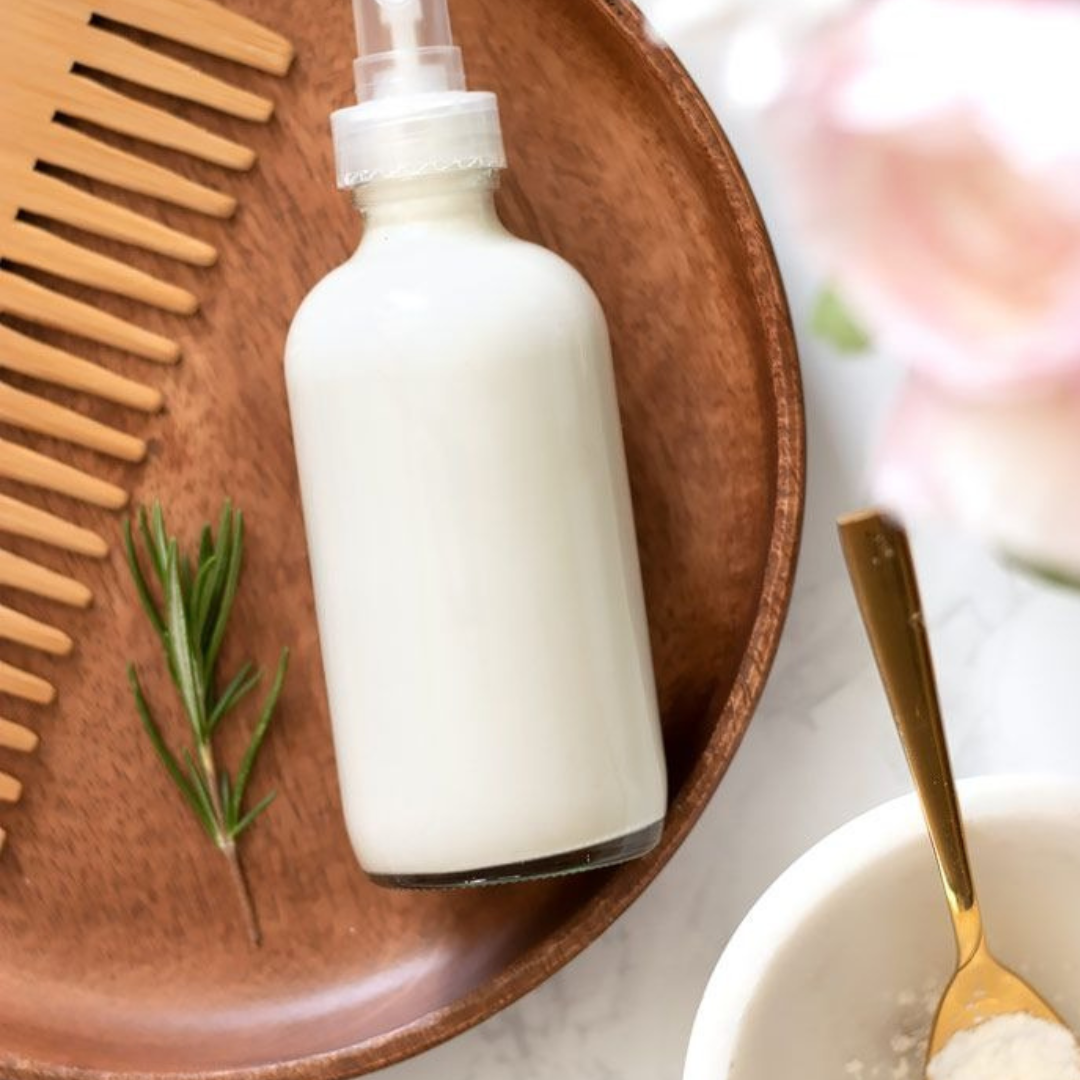
Discover how professional hair conditioners are formulated to improve softness, smoothness, detangling and manageability. This practical course covers conditioning ingredients, emulsification techniques and different conditioner formulations for various hair needs.
Students will learn the fundamentals of conditioner formulation and gain practical knowledge of moisturising, anti-frizz, protein and premium conditioning products. They will understand ingredient functions, manufacturing methods and basic quality checks.
View day-wise syllabus & practical formulations
Day 1 – Hair Conditioner Fundamentals and Moisturising Conditioners
- Introduction to hair conditioner and its importance.
- Difference between shampoos, conditioners and hair masks.
- Understanding hair cuticle, porosity and conditioning requirements.
- Knowledge of conditioning agents such as BTMS and other cationic conditioners.
- Role of fatty alcohols, emulsifiers, oils and humectants.
- Understanding formulation phases, heating, emulsification and cooling.
- Importance of pH and preservation in conditioners.
- Moisturising Jojoba Hair Conditioner
- Multi-Vitamin Hair Conditioner
Day 2 – Premium and Specialised Hair Conditioners
- Understanding frizz and dryness in hair.
- Conditioning ingredients for chemically treated and heat-styled hair.
- Use of hydrolysed proteins and keratin-inspired ingredients.
- Developing rich and lightweight conditioner textures.
- Improving slip, spreadability and rinse-off performance.
- Troubleshooting separation, excessive thickness and poor conditioning.
- Basic stability checks, packaging and costing.
- Premium Anti-Frizz Hair Conditioner
- Keratin Hair Conditioner
- Protein Hair Conditioner
- Conditioner for Dry, Damaged and Colour-Treated Hair
Professional Shampoo Making
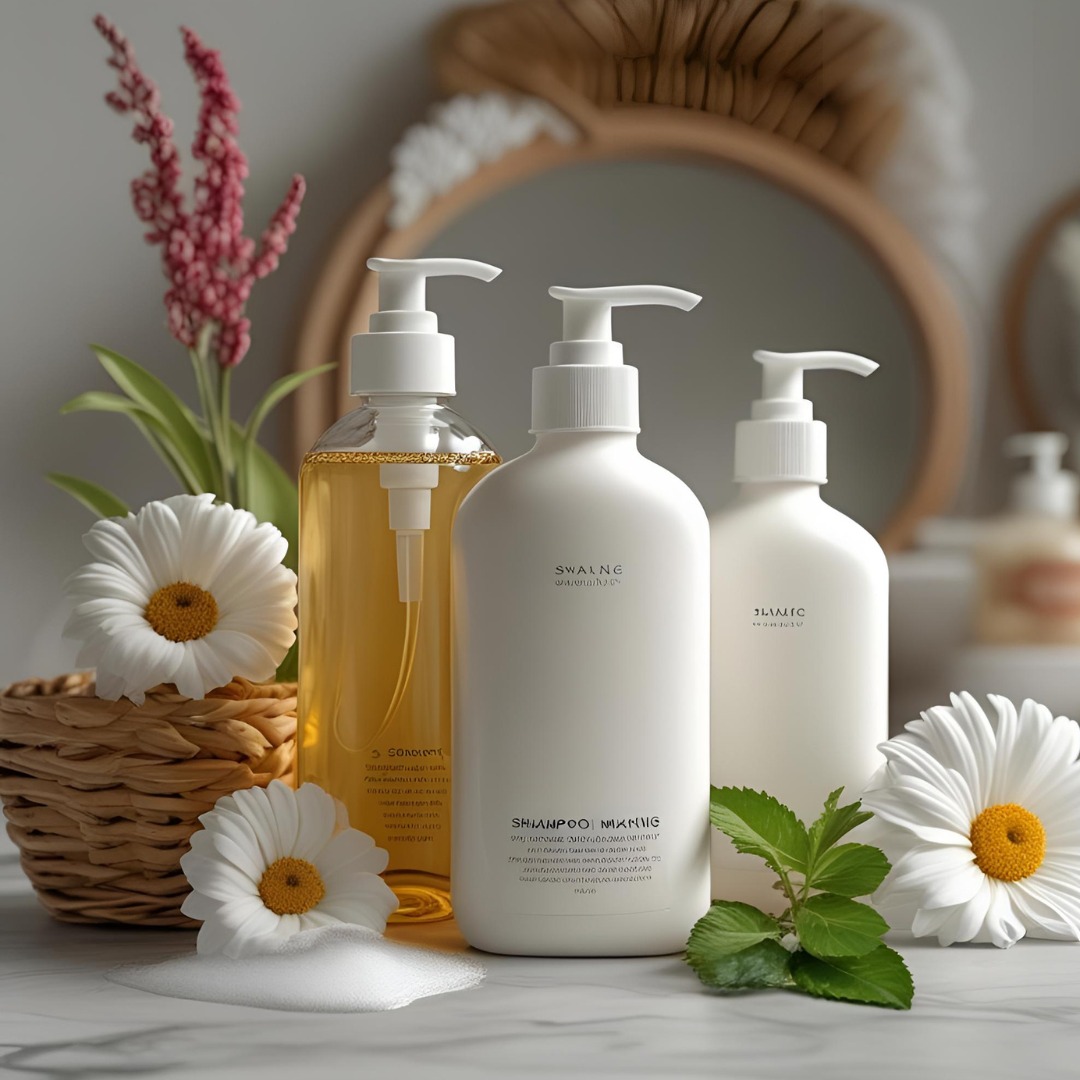
Learn how to formulate professional shampoos for different hair and scalp needs. From understanding cleansing ingredients to developing moisturising, herbal and smoothing shampoo formulations, this practical course introduces the science behind shampoo manufacturing.
Students will learn to formulate everyday, moisturising, herbal, smoothing and scalp-refreshing shampoos. They will develop an understanding of surfactants, manufacturing methods, pH adjustment, preservation and basic troubleshooting.
View day-wise syllabus & practical formulations
Day 1 – Shampoo Science and Basic Shampoo Formulation
- Introduction to shampoo and its importance.
- Understanding hair types and scalp characteristics.
- Knowledge of primary and secondary surfactants.
- Functions of SLES, CAPB and other common shampoo ingredients.
- Role of foam boosters, thickeners, conditioning agents and preservatives.
- Understanding active surfactant matter, viscosity and pH.
- Cold-process and hot-process shampoo manufacturing.
- Basic Everyday Shampoo
- Moisturising Jojoba & Aloe Vera Shampoo
Day 2 – Herbal and Botanical Shampoo Making
- Importance of herbal ingredients in shampoo formulations.
- Selection of botanical extracts and fragrances.
- Compatibility of herbal ingredients with surfactants.
- Understanding herbal shampoo colour, fragrance and stability.
- Shampoo formulations for combination hair and scalp types.
- Herbal Amla Shampoo
- Orange & Rosemary Shampoo
- Fruity Hair Shampoo
Day 3 – Moisturising and Premium Shampoo Making
- Understanding formulation requirements for dry and frizz-prone hair.
- Choosing mild and compatible surfactant combinations.
- Role of conditioning agents, emollients and proteins.
- Improving softness and combability after shampooing.
- Understanding premium shampoo texture and sensory characteristics.
- Argan Shampoo for Dry Hair
- Keratin-Inspired Smoothing Shampoo
- Moisturising Shampoo for Dry Hair
Day 4 – Scalp-Refreshing Shampoos and Troubleshooting
- Understanding oily scalp and common scalp concerns.
- Selection of suitable cleansing systems and botanical extracts.
- Role of tea tree, neem, ginger and other botanical ingredients.
- Shampoo formulation precautions.
- Troubleshooting foam, viscosity, pH, cloudiness and separation.
- Introduction to product quality, packaging and costing.
- Onion & Ginger Shampoo
- Neem Herbal Shampoo
- Tea Tree Scalp-Refreshing Shampoo
- Charcoal Shampoo
Start your hair care formulation journey today
Join 1,00,000+ learners trained by CSDO and learn to make professional hair oils, conditioners and shampoos.