Skin & Hair Carepreneur · Silver Package

Learn to Formulate Skin Care and Hair Care Products

Build your foundation in skin and hair science, understand cosmetic ingredients, and learn to formulate a range of skin care and hair care products in one structured Silver Level package.

  • 24 Classes
  • 2 Hours Per Class
  • 48 Guided Learning Hours
  • Skin Care + Hair Care
  • Weekly Inner Circle

Begin with skin and hair fundamentals. Progress to practical product formulation and learn how to plan a small product range.

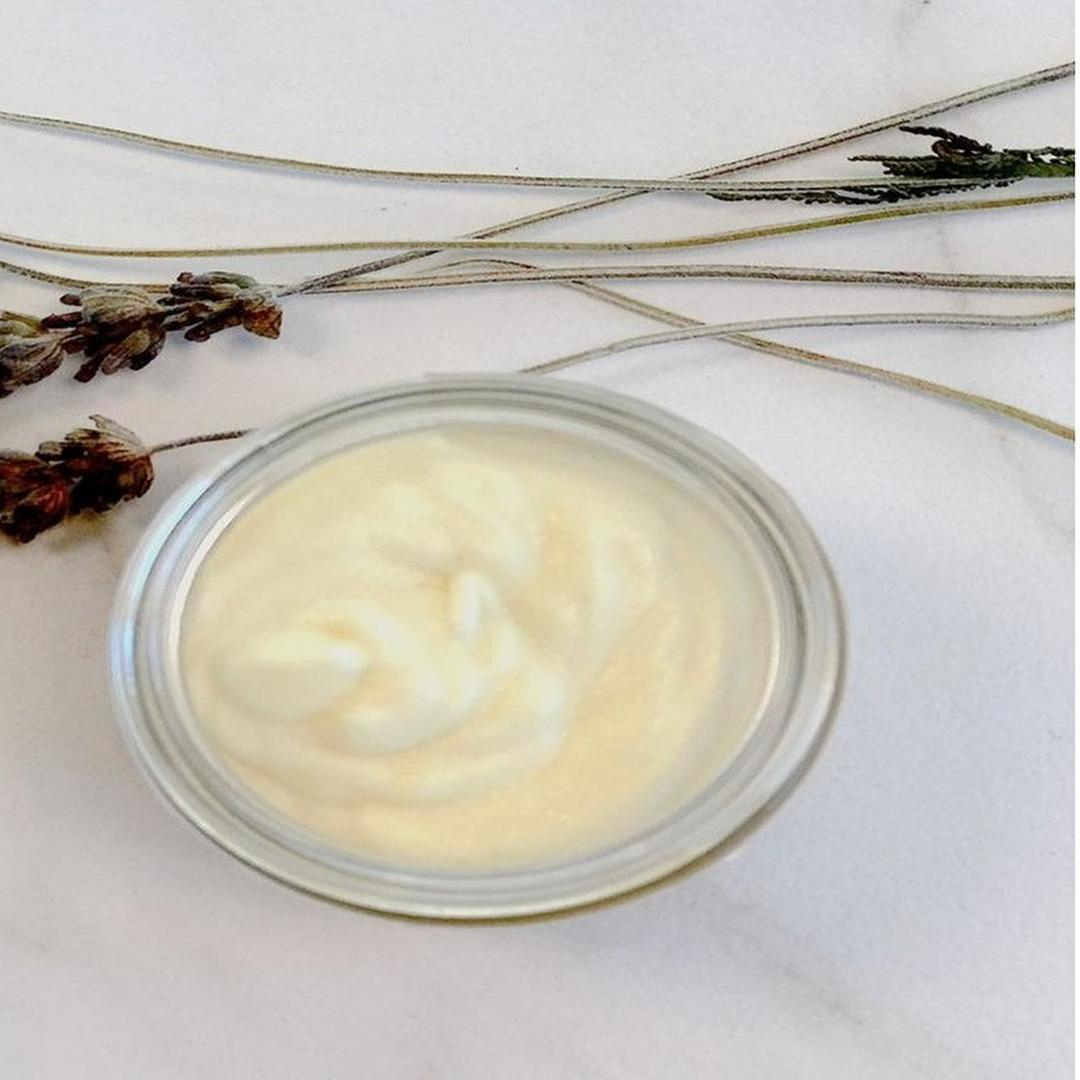
Smooth moisturising cream in a glass bowl
SkinCream
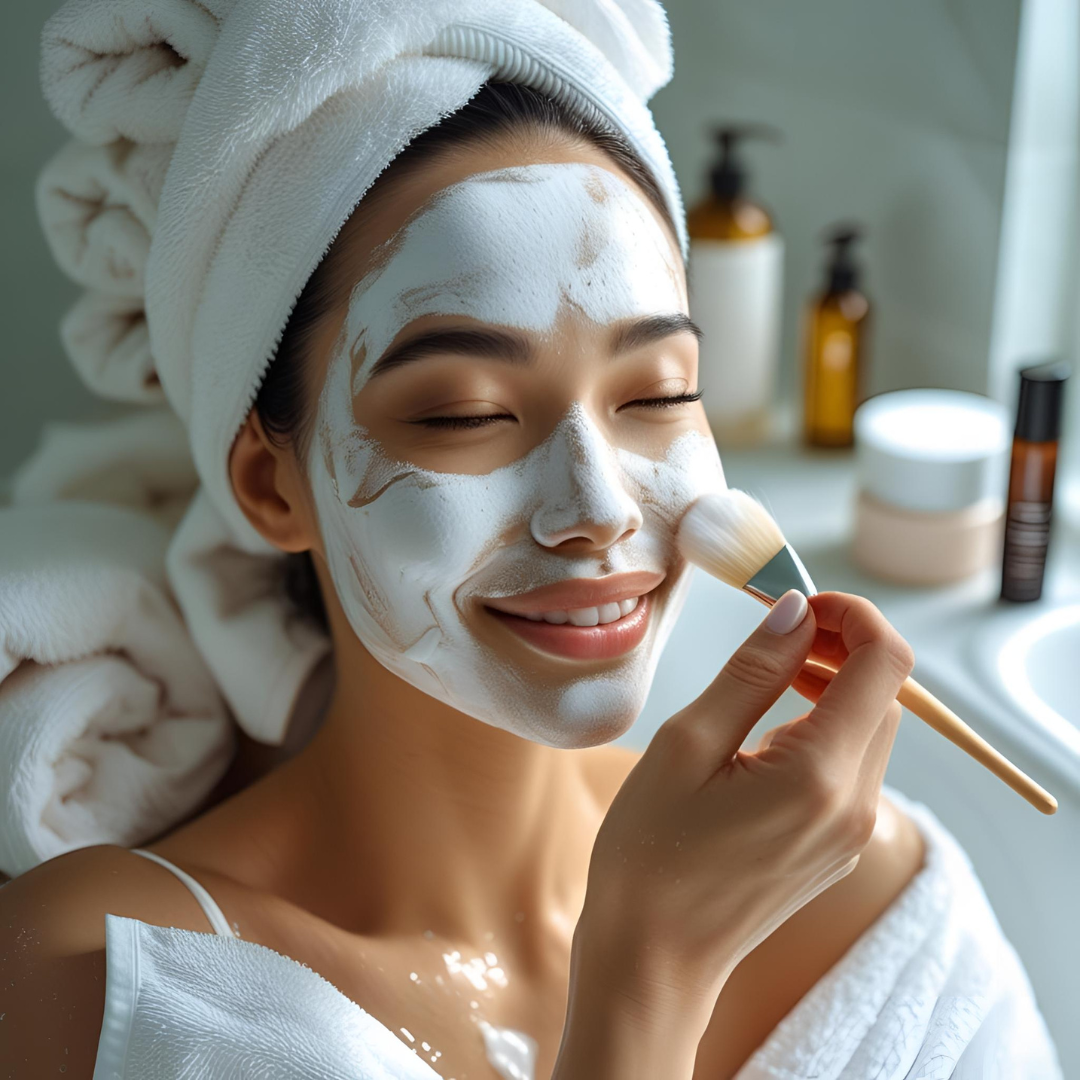
Clay face pack being applied with a brush
SkinFace Pack
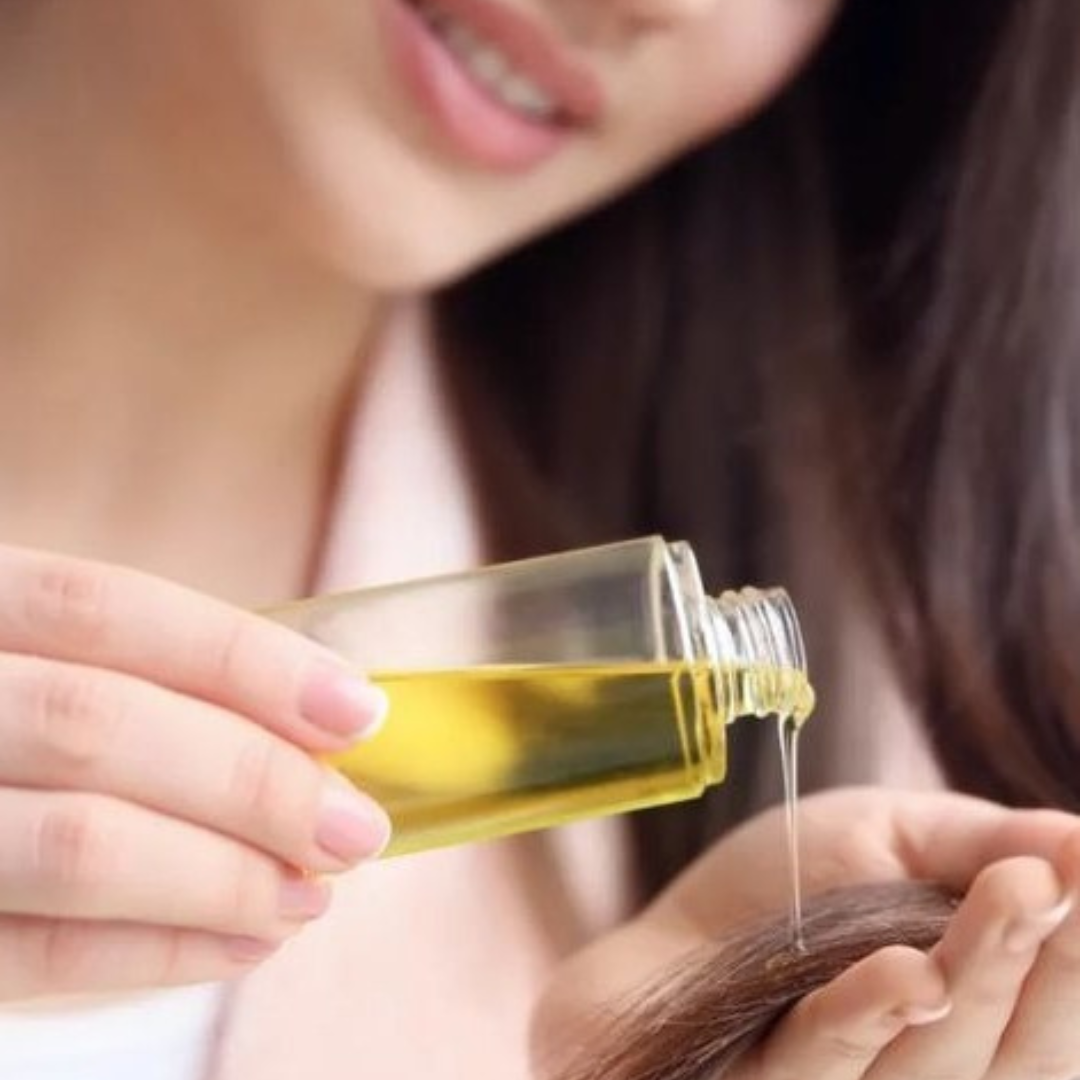
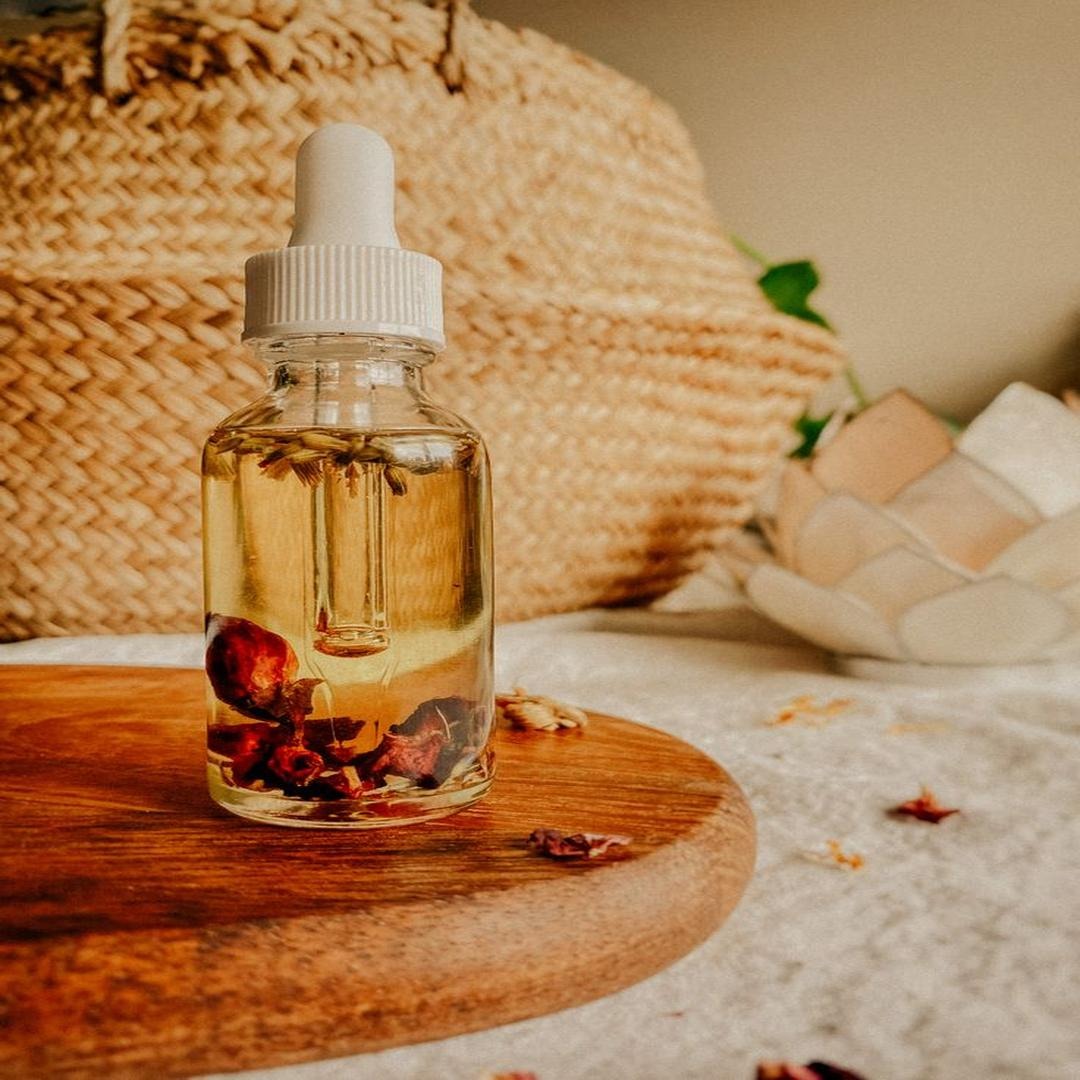
Herbal infused hair oil in a glass dropper bottle
HairHair Oil
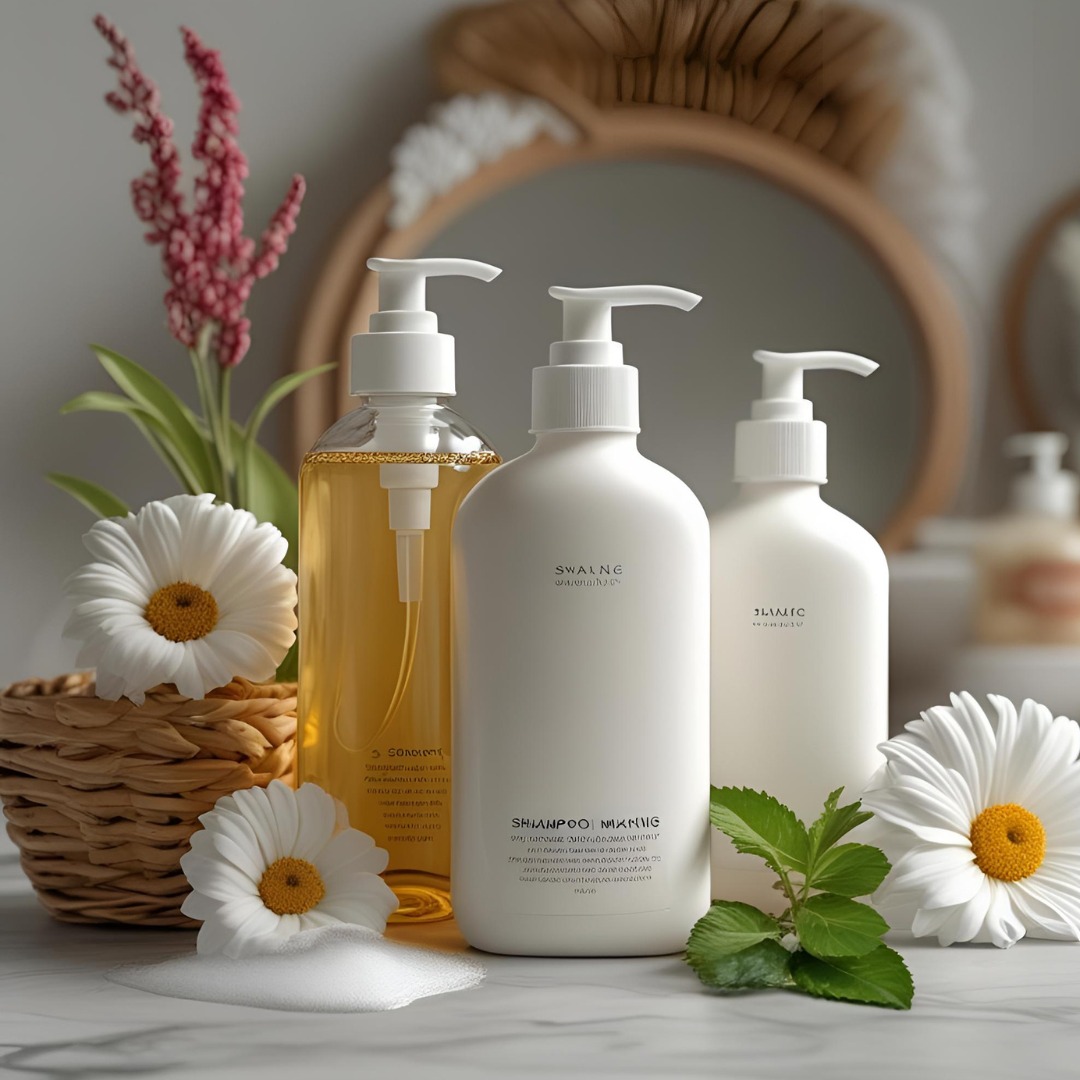
Shampoo and conditioner bottles with daisies
HairShampoo

One Package · Two Connected Learning Paths

8 Product Formats · 24 Classes
Your Own Range

From Learning Ingredients to Creating Your Own Skin and Hair Care Range

Imagine understanding what goes into the skin and hair care products you use every day—and learning how to make your own product concepts with a better understanding of the ingredients and process.

The Skin & Hair Carepreneur Silver Package brings both subjects together in one learning journey. Start with the basics of skin and hair, then explore gels, lotions, moisturisers, creams, face packs, hair oils, conditioners and shampoos.

The aim is to help you build practical knowledge that you can use for personal learning, continued study or planning a small product range.

The Collection You Will Explore

Eight product formats across two subjects

Skin Care
  • Gel
  • Lotion
  • Moisturiser
  • Cream
  • Face Pack
Hair Care
  • Hair Oil
  • Conditioner
  • Shampoo

Is This Course for You?

This program may be suitable if you are:

  • A beginner interested in skin and hair care formulation
  • A homemaker exploring a practical skill
  • Planning to start a small skin care or hair care product range
  • A beauty professional or salon owner
  • Already making products and wanting to understand ingredients and processes better
  • A teacher or trainer who wants to expand their practical knowledge
  • Interested in learning how skin and hair product types can be adapted to different needs
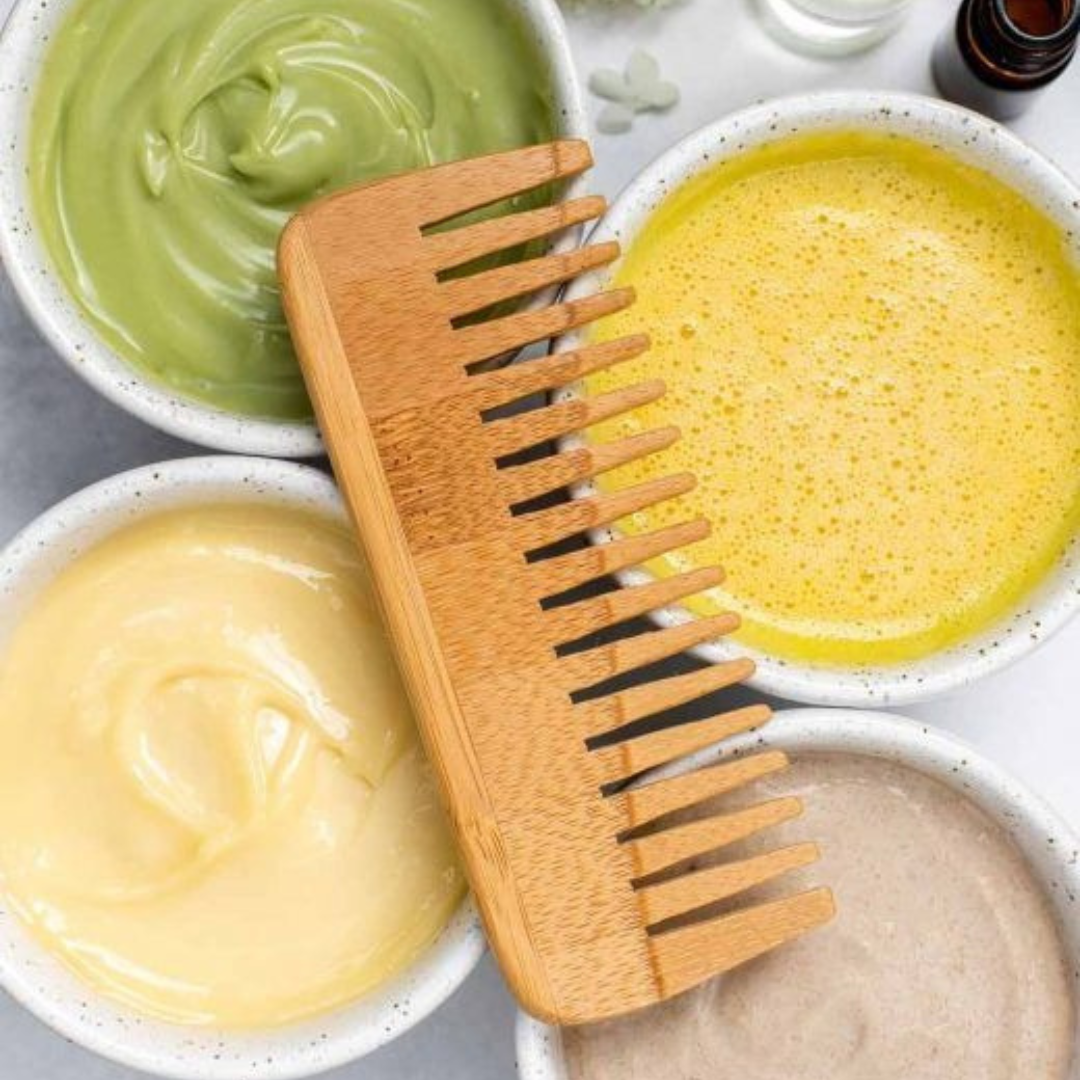
Bowls of herbal hair and skin care preparations beside a wooden comb

No Previous Formulation Experience Is Required.

The course begins with basic skin and hair concepts before moving into product formulation.

What Will You Learn?

Two Connected Learning Paths

The course has two connected learning paths.

In one package Part One · Skin Care · 13 Classes Part Two · Hair Care · 11 Classes
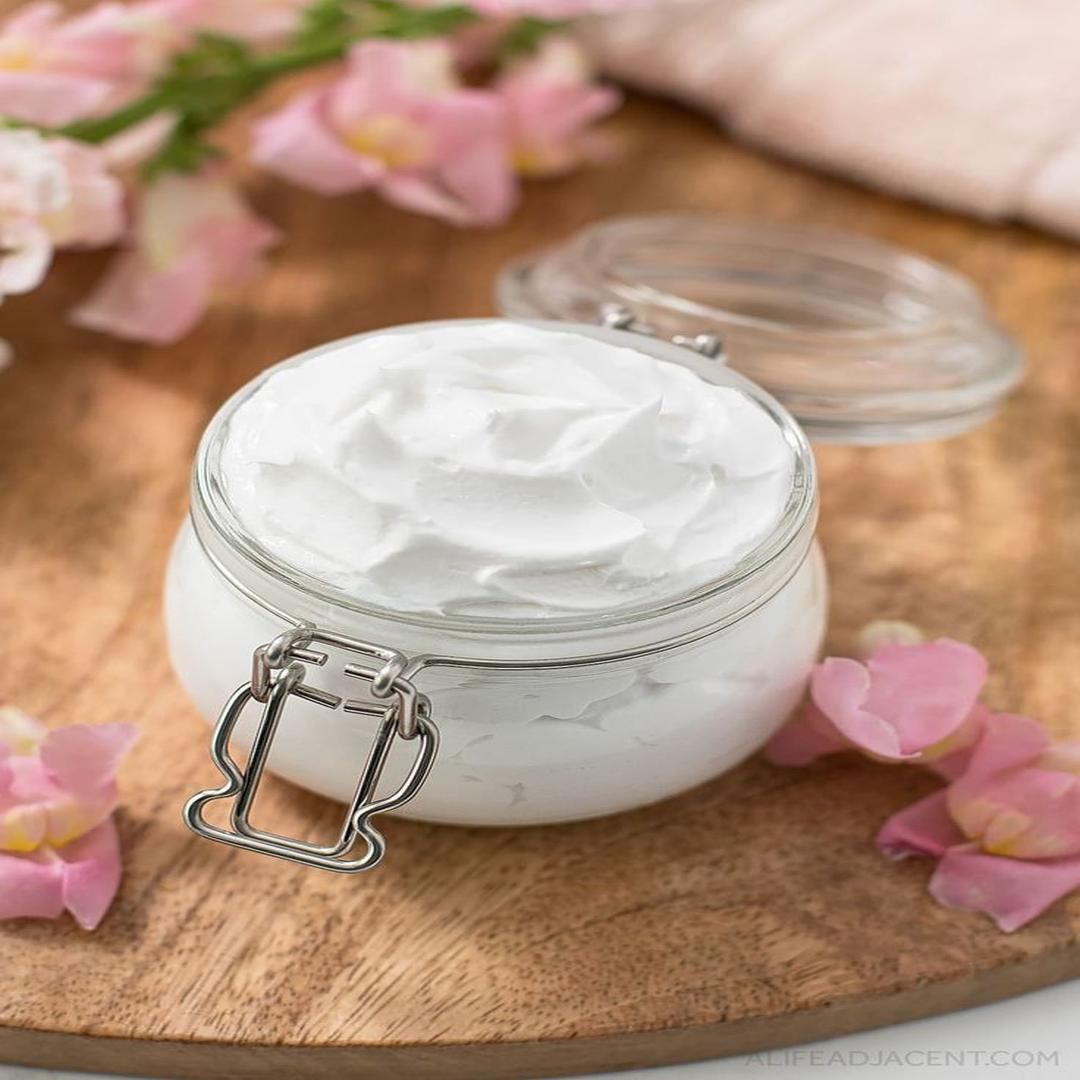
Whipped skin cream in a glass jar with rose petals Days 1–13
Part One

Skin Care Formulation

Learn the foundations of skin anatomy and skin types, then progress to:

  • Hydrating and other gel concepts
  • Facial lotions
  • Moisturisers
  • Creams for normal, dry and oily skin concepts
  • Powder face packs using clays and botanical powders
  • Water-based and cream-based face packs
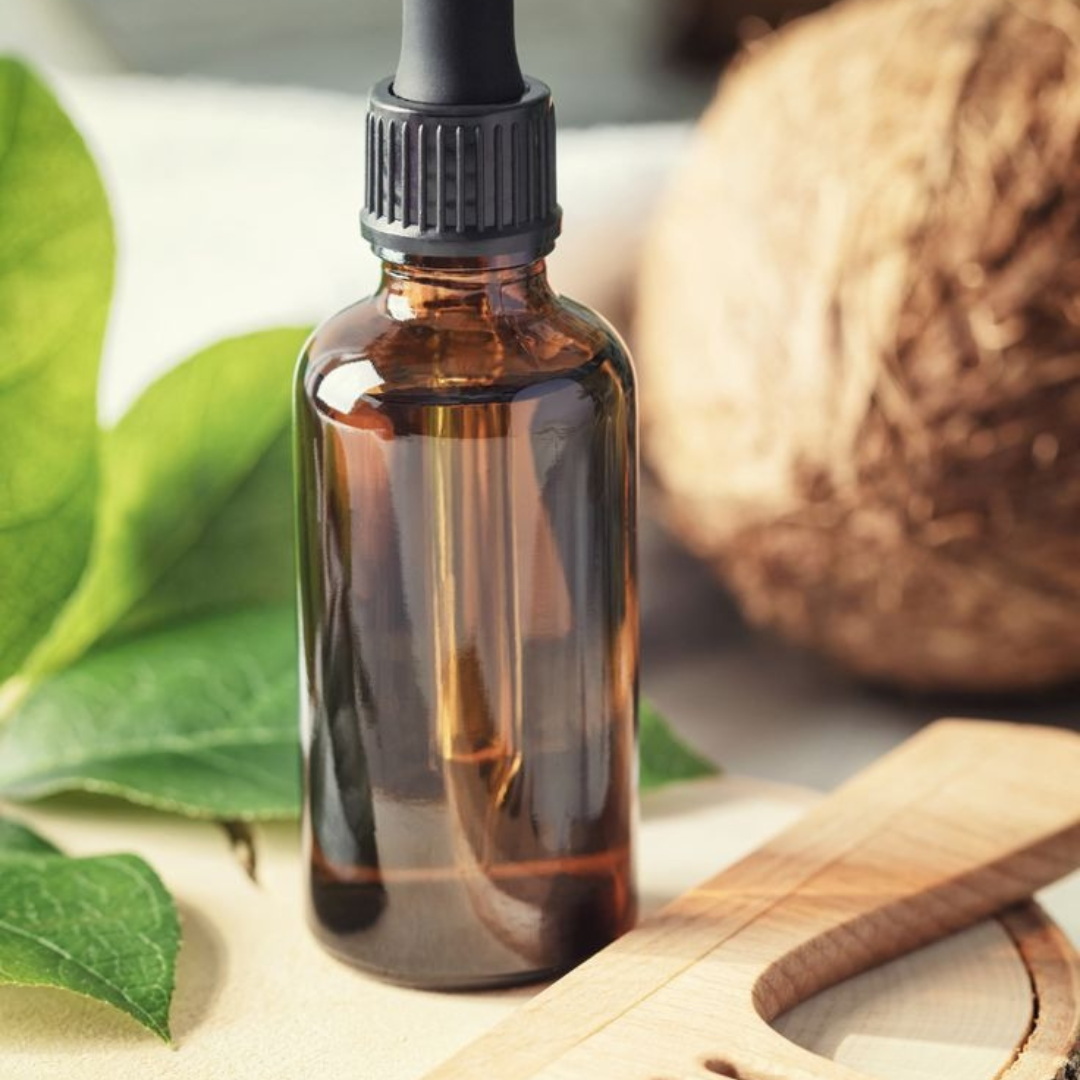
Amber hair oil bottle with coconut and fresh leaves Days 14–24
Part Two

Hair Care Formulation

Learn the foundations of hair anatomy and hair types, then progress to:

  • Herbal, traditional and modern hair oil concepts
  • Hair oils made using an infusion method
  • Daily moisturising and premium conditioner concepts
  • Conditioners for dry, damaged or chemically treated hair
  • Everyday and targeted shampoo concepts
  • Basic formulation precautions and product checks
The CSDO Learning Approach

Understand What You Are Making—Not Just What to Add

This course is arranged to take learners from the basic concepts to practical product formulation. Learners study skin and hair characteristics, explore the roles of common ingredients, and then apply that knowledge while learning about different product formats.

How the course is conducted Online Mode Live Classes Hinglish
  1. 01Understand
  2. 02Explore Ingredients
  3. 03Learn the Process
  4. 04Formulate
  5. 05Observe
  6. 06Improve
As the Course Progresses

As the course progresses, learners are introduced to process notes, accurate weighing, basic product observation and common formulation issues.

  • Process notes
  • Accurate weighing
  • Basic product observation
  • Common formulation issues

Keep Building Your Understanding

Formulation learning continues as learners review their notes, practise the concepts and bring questions about their work back for discussion.

Weekly Inner Circle

Ongoing learning support and guidance through the CSDO Inner Circle.

Class Recordings

Miss a live class? The recording reaches you within 24–48 hours, with an email notification.

Study Material by Email

Course study material is shared as a soft copy on your registered email ID.

3 Months of Access

Course access for the next 3 months to revisit what you have learned.

Why Learn with CSDO?

A Structured Foundation in Skin and Hair Care Formulation

01

Two Related Subjects in One Package

Learn foundational skin care and hair care formulation through one structured Silver Level program.

02

Begin with the Fundamentals

The curriculum starts with skin and hair anatomy, common types and product selection before moving into product making.

03

Understand Ingredient Roles

Explore raw material groups used in gels, lotions, creams, face packs, hair oils, conditioners and shampoos.

04

Learn Through Product Concepts

Study a range of product concepts so you can compare formats, textures and intended uses.

05

Build Careful Formulation Habits

The syllabus introduces equipment, accurate weighing, hygiene, pH awareness where relevant, preservation awareness and product observation.

06

Connect Learning with Product Planning

The final hair care session includes reviewing a product range for a client profile and budget.

Meet Your Mentor

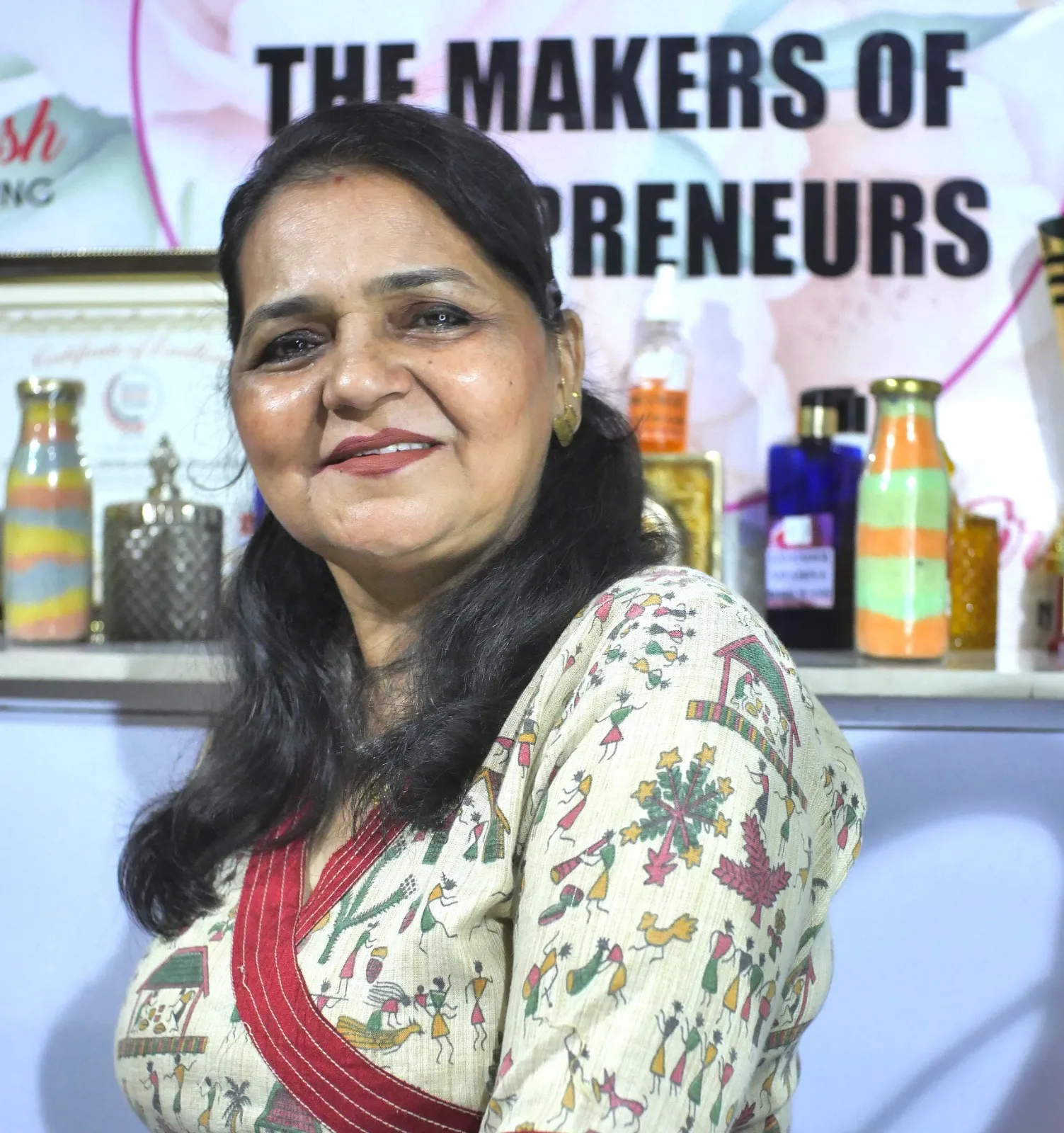
Ms Anita Sabharwal, CSDO skin and hair care mentor Your Mentor Ms Anita SabharwalCSDO · Skin & Hair Carepreneur
Meet Your Mentor

Learn with Ms Anita Sabharwal

Ms Anita Sabharwal is one of CSDO's expert mentors and guides learners through the Skin & Hair Carepreneur Silver Package.

Across the 24 classes she takes you from the basics of skin and hair to working with ingredients, product formats and careful formulation habits.

In this package, you learn with her through:

Skin & Hair Basics+ Ingredient Roles+ Product Formats+ Careful Habits+ Range Planning
Learning Outcomes

By the End of This Program, Learners Will Have Studied:

  • Basic skin anatomy and common skin types
  • Basic hair anatomy and common hair characteristics
  • Raw materials and equipment used in skin and hair care products
  • Gel, lotion, moisturiser and cream formulation concepts
  • Powder and liquid face pack concepts
  • Traditional, modern and herbal hair oil concepts
  • Hair oil infusion methods
  • Daily and specialised conditioner concepts
  • Everyday and targeted shampoo concepts
  • Basic product observation, batch recording and formulation precautions
  • Introductory planning of a hair care range for a client profile and budget

These are learning outcomes. The course does not promise guaranteed business, income or skin and hair results.

Before & After Learning

Build a Clearer Formulation Foundation

Before the courseAfter learning the foundations
Unsure where to begin with skin and hair productsA structured introduction to both subjects
Familiar with ingredient names but unclear about their rolesAn introduction to common ingredient groups and their functions
Unsure which product format to exploreExposure to gels, lotions, creams, face packs, oils, conditioners and shampoos
Following product concepts without recording the processIntroduction to weighing, batch notes and basic product observation
Interested in product making but without a learning pathA 24-class sequence from fundamentals to product concepts
Light hair serum being poured into the palm
Learning goals, not guaranteed outcomes
Complete Curriculum

The Complete 24-Class Curriculum

Part One covers skin care across 13 classes; Part Two covers hair care across 11 classes. Open any day to see what it covers.

Every class 2 Hours Live Online
Part One · Days 1–13

Skin Care

Day 01Skin Anatomy, Skin Types and Product Selection
  • Introduction to skin care
  • Basic skin anatomy
  • Identifying common skin types
  • Class activity: observe skin characteristics using a simple checklist
  • Selecting product formats according to intended skin needs
  • Introduction to basic skin care products
Day 02Raw Materials and Equipment for Skin Care
  • Introduction to raw materials used in skin care
  • Humectants, emollients, emulsifiers, thickeners and gelling agents
  • Clays, botanical powders and extracts
  • Fragrance, colour and extracts
  • Why water-containing products need an appropriate preservative system
  • Basic equipment used for practical work
Day 03Gel Formulation and Gel Making
  • Gel formulation concepts for different skin needs
  • Making a basic aloe vera hydrating gel
  • Brightening fruit massage gel concept
  • Understanding gel texture and product feel
Day 04Gel Making Practice and Skin-Type Adaptation
  • Review of gel ingredients, method and sanitation
  • Hydrating almond gel
  • Moisturising herbal honey gel
  • Under-eye gel concept
  • Oily-skin gel concept
  • Neem and tulsi gel
  • Tea-tree gel concept
  • Packaging options and basic troubleshooting
Day 05Emulsification and Lotion Making
  • Introduction to moisturisers and lotions
  • Understanding the phases of an emulsion
  • Water phase, oil phase and emulsifier
  • Formulating professional lotion concepts
  • Basic hydrating aloe vera or herbal lotion
  • Shea and vitamin E lotion
Day 06Facial Moisturiser Making
  • Hydra Glow Daily Moisturiser
  • Fruit and nut moisturiser concept
  • Skin-balancing jojoba and vitamin E moisturiser
  • Rich Repair Night Moisturiser concept
Day 07Cream Making for Normal Skin
  • Introduction to cream making
  • Cream structure and formulation concepts
  • Basic cream concept for normal skin
  • Moisturising and softening cream concept
  • Fruit or orange moisturising cream
Day 08Cream Making for Dry Skin
  • Richer cream concept for dry-feeling skin
  • Age-support buttery cream concept
  • Multivitamin intensive cream concept
  • Winter Rescue saffron-rich cream concept
  • Argan and vitamin C cream concept
Day 09Cream Making for Oily Skin
  • Selecting lighter emollients and a suitable cream structure
  • Lighter cream concepts for oily skin
  • Oil-free balancing cream concept
  • Neem herbal cream concept
  • Mint cream concept
  • Day cream concept
Day 10Powder Face Packs, Herbs and Botanical Powders
  • Purpose and formats of face packs
  • Introduction to clays and botanical powders
  • Properties and selection of common clays and herbal powders
  • Blending, sieving and moisture-conscious packing
  • Powder face pack concepts for dry, oily and combination skin
  • Herbal glow powder face pack
  • Protein powder face pack concept for dry-feeling skin
  • Neem clarifying face pack
  • Licorice face pack concept
  • Storage, mixing directions and method of use
Day 11Liquid Face Packs: Water and Cream Base
  • Purpose of liquid face packs
  • Introduction to water-based and cream-based face packs
  • Water-based face pack concept
  • Herbal mud face pack
  • Clay face pack concept
  • Basic product observation and packaging considerations
Day 12Cream Face Pack Making
  • Cream face pack concepts and how they differ from moisturising creams
  • Mud face pack
  • Haldi and chandan face pack
  • Radiant Glow face pack concept for dry-feeling skin
  • Tan-removal appearance face pack concept
  • Tulsi and chandan face pack concept for oily skin
  • Lemon and tea-tree face pack concept
  • Mint face pack concept for oily skin
Day 13Skin Care Revision and Question Session
  • Review of skin care topics and practical concepts
  • Learner questions and doubt-clearing discussion
  • Review of product selection and formulation precautions
Part Two · Days 14–24

Hair Care

Day 14Hair Anatomy, Hair Types and Product Selection
  • Introduction to hair care
  • Role of the hair shaft and scalp in product selection
  • Hair anatomy: cuticle, cortex and medulla
  • Hair follicle and a simple overview of the growth cycle
  • Identifying common hair characteristics
  • Observing one’s own hair characteristics to guide product selection
Day 15Raw Materials, Machinery and Safe Working
  • Introduction to hair care raw materials
  • Carrier oils, herbal materials and extracts
  • Humectants, emollients and conditioning agents
  • Emulsifiers, surfactants and thickeners
  • Proteins, preservatives, antioxidants and chelators
  • Fragrances and essential oils
  • Basic equipment used in hair care formulation
  • pH awareness for shampoos and conditioners
  • Calculating measurements for formulations
Day 16Hair Oil Foundations
  • Role and use of hair oils
  • Natural and carrier oils, emollients and essential oils
  • Carrier oil properties: spread, richness, odour, colour and oxidation sensitivity
  • Traditional herbs used in hair oil concepts
  • Selecting herbs for an intended product concept
  • Mixing, aromatic and herbal oil concepts
  • Almond and jojoba hair oil concept
  • Lemon aromatic hair oil concept
  • Scalp nourishment oil concept
  • Jasmine and vitamin E oil concept for dry-feeling hair
  • Lavender and argan oil concept
  • Amla hair oil concept
Day 17Light-Feel, Infused and Cooling Hair Oils
  • Light-feel or non-sticky amla hair oil concept
  • Maha Bhringraj oil concept
  • Cooling mint hair oil concept
  • Ayurvedic-inspired hair oil using an infusion method
  • Onion hair oil concept
  • Amla and brahmi oil using an infusion method
  • Infusion, filtration, storage and basic oil quality considerations
Day 18Conditioner Concepts and Use
  • Purpose and role of conditioner
  • Raw materials and ingredients used in conditioners
  • pH awareness for conditioners
  • Moisturising jojoba conditioner concept for normal hair
Day 19Conditioners for Dry and Colour-Treated Hair
  • Conditioner concepts for dry or colour-treated hair
  • Multivitamin hair conditioner concept
  • Premium anti-frizz conditioner concept
  • Keratin-inspired hair conditioner concept
  • Protein conditioner concept
  • Ingredient selection and formulation precautions
Day 20Shampoo Making Foundations
  • Purpose and role of shampoo
  • Raw materials and ingredients
  • Primary and secondary surfactants
  • Cleansing strength, foam, mildness and viscosity
  • pH awareness and compatibility
  • Fragrance, colour and preservative selection
  • Choosing a surfactant system for the intended hair care concept
  • Introduction to hot and cold process methods
  • Moisturising jojoba or aloe vera shampoo concept for normal hair
Day 21Shampoo Concepts for Combination Hair
  • Herbal amla shampoo concept
  • Orange and rosemary shampoo concept
  • Product selection for combination hair characteristics
Day 22Shampoo Concepts for Dry Hair
  • Keratin-inspired smoothing shampoo
  • Argan shampoo concept for dry-feeling hair
  • Fruity shampoo concept
  • Understanding conditioning feel and product texture
Day 23Herbal and Scalp-Refreshing Shampoo Concepts
  • Shampoo concepts for oily scalp characteristics
  • Onion and ginger shampoo concept
  • Neem herbal shampoo
  • Tea-tree shampoo concept
  • Charcoal shampoo concept
  • Formulation precautions for shampoo making
Day 24Hair Care Revision and Product Range Planning
  • Review of hair care product concepts and practical sessions
  • Learner questions and troubleshooting discussion
  • Plan a hair care product range for a defined client profile and budget
  • Review product selection and formulation precautions

Products are taught as cosmetic formulation concepts. Names describe the intended product idea, not a medical or guaranteed skin or hair outcome.

What You Get

What Do You Get When You Join?

24 Classes

Two hours per class across skin care and hair care.

Structured Silver Level Learning

A progressive course from fundamentals to product concepts.

Skin Care Formulation Topics

Gels, lotions, moisturisers, creams and face packs.

Hair Care Formulation Topics

Hair oils, conditioners and shampoos.

Study Material

You will get a soft copy on your registered email ID.

Learning Support

Through the CSDO Inner Circle.

Certificate

Issued by CSDO upon successful completion of the course.

Course Access

If you miss the live webinar, you will receive access to the recording within 24–48 hours. An email notification will be sent to you once the recording is available.

Ready to join the next batch?

See Course Details

Continue Your Learning

Silver Level Builds Your Foundation

This package introduces learners to a broad range of skin and hair care product formats.

With Further Practice

Learners can continue developing their knowledge of:

  • Ingredient selection
  • Formulation methods
  • Product evaluation
  • Product development
Course Details

Skin & Hair Carepreneur Silver Package

Duration
24 Classes
Class Length
2 Hours Per Class
Guided Learning
48 Hours
Mode
Online Live Classes
Language
Hinglish
Next Batch
25 November 2026
Course Fee
₹11,999/-
Course Access
For the next 3 months
Certificate
Issued by CSDO upon successful completion of the course
Study Material
Shared with you via email
Support
Ongoing guidance through the CSDO Inner Circle
FAQs

Frequently Asked Questions

Is this one course for both skin care and hair care?

Yes. The Skin & Hair Carepreneur Silver Package combines both subjects in one 24-class program.

Do I need previous formulation experience?

No previous formulation experience is required. The course begins with basic skin and hair concepts before moving into product formulation.

What skin care products are covered?

The skin care portion covers gels, lotions, moisturisers, creams and powder, water-based and cream-based face pack concepts.

What hair care products are covered?

The hair care portion covers traditional, modern and herbal hair oil concepts, conditioners and shampoos.

Will the course teach products for different skin and hair needs?

Yes. The syllabus includes different product concepts and discusses selecting product formats and ingredients for intended needs. Individual results vary, and the course does not guarantee a specific skin or hair outcome.

Are the classes live or recorded?

All classes are conducted live, and recordings are provided within 24–48 hours if you miss a session.

Can I start selling products after completing the course?

The course provides formulation learning and product concepts. Commercial sale also requires appropriate product safety and quality review, compliant labelling and claims, and any testing or regulatory steps required in the intended market.

What is the course fee and when is the next batch?

The next batch begins on 25 November 2026. The course fee is ₹11,999. Contact us on WhatsApp at 89203 09257 for enrolment details.

How do I enrol?

Click the Enrol Now button or contact our course advisor on WhatsApp at 93106 07383.

Ready to Begin?

One Package. Two Skills. A Stronger Formulation Foundation.

Begin your learning journey with skin and hair science, ingredient knowledge and practical product formulation.

Study both subjects through the Skin & Hair Carepreneur Silver Package and explore the process behind a wide range of everyday skin and hair care products.

WhatsApp