
Specialized Track · Soap Base Manufacturing

Don't Just Learn Four Formulas. Learn Why Four Different Soap Bases Behave Differently.

The chemistry of Melt & Pour soap base manufacturing, taught through four practical bases: Transparent, Charcoal, Opaque and Extra Clear.

Fatty-Acid Balance
Solvents & Humectants
Polyol Systems
Transparency & Remelting
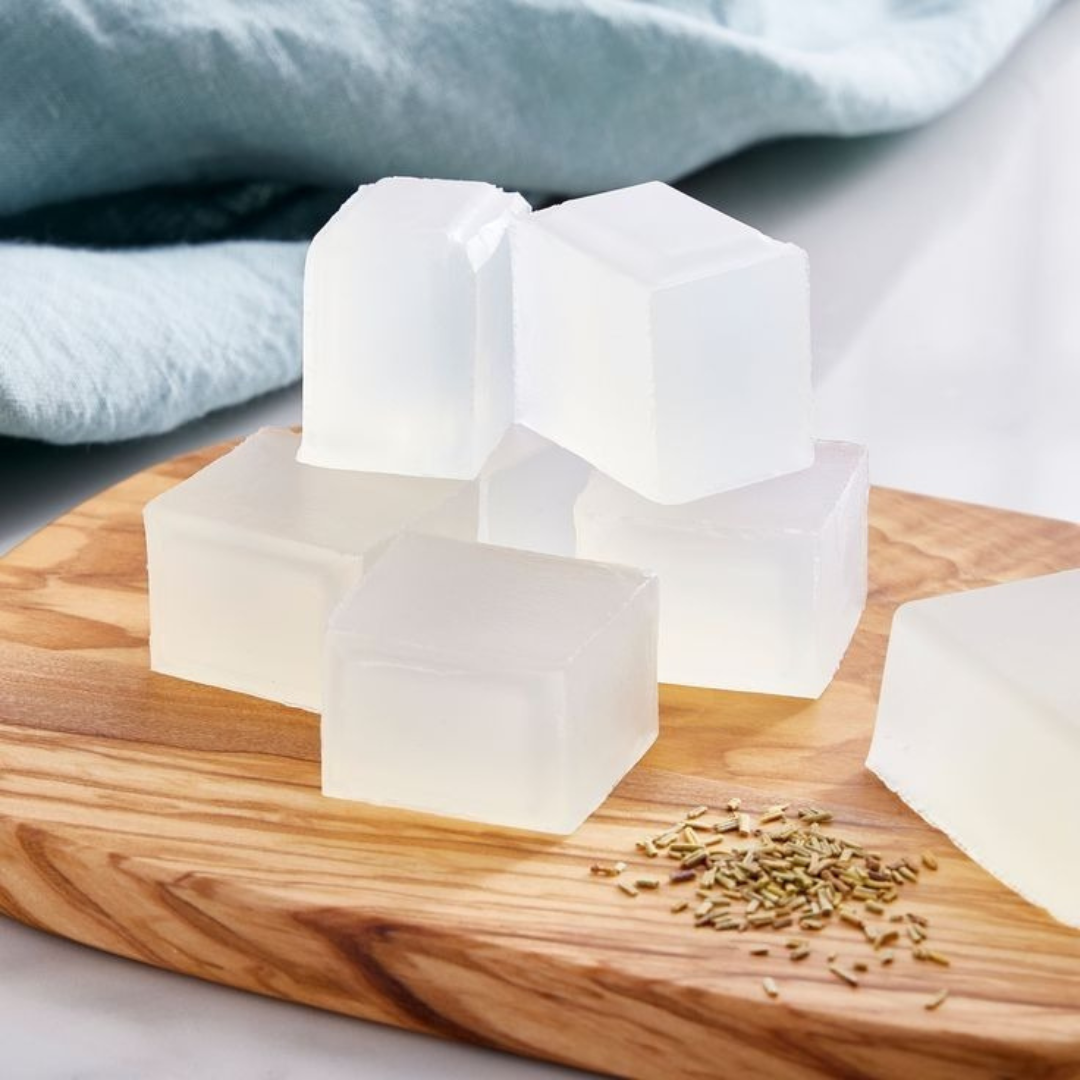
Handmade melt and pour soap base bars 4 Soap Bases Theory + Practical · Formulation Science
4 Practical Bases

Four bases, four different questions.

Each base is taught around the one question that controls how it turns out, so you understand the formula instead of just following it.

01 · Transparent

What creates clarity?

Solvents, sugar/polyol systems and humectants build transparency, while fatty acids set hardness and lather.

  • Polyol Systems
  • Humectants
  • Remelting
02 · Charcoal

How do you disperse it?

Choose personal-care grade activated charcoal, set the right usage level and disperse it without lumps.

  • Usage Level
  • Dispersion
  • Presentation
03 · Opaque

What controls whiteness?

Opacifying systems and raw-material choice decide whiteness, colour, bar structure and remelting behaviour.

  • Whiteness
  • Bar Structure
  • Setting & Cutting
04 · Extra Clear

Why do bases turn amber?

Learn how raw-material colour affects clarity — and how to balance clarity against lather and remelting.

  • Raw-Material Colour
  • Clarity vs Lather
  • Evaluation
Specialized Track · Soap Base Manufacturing

Make the base, not just the bar.

Message us on WhatsApp for the next batch, fees and class timings for the Soap Base Manufacturing track.