CSDO Academy · Est. 1987 · Flagship Program

CSDO Professional Soappreneur Program™

From Formulation to Your First Product Collection

  • 2 Months
  • 16 Live Classes
  • Theory + Practical + Business

Formulate, make, troubleshoot, cost, package and start selling your own handmade soap range — the complete path from first batch to first customer.

4.9/5 Google Rating · 1,200+ Reviews
100,000+ Alumni & Soap Makers Trained
37+ Years Teaching Craft & Cosmetic Science
ISO 9001:2015 Government-Recognized Qualification
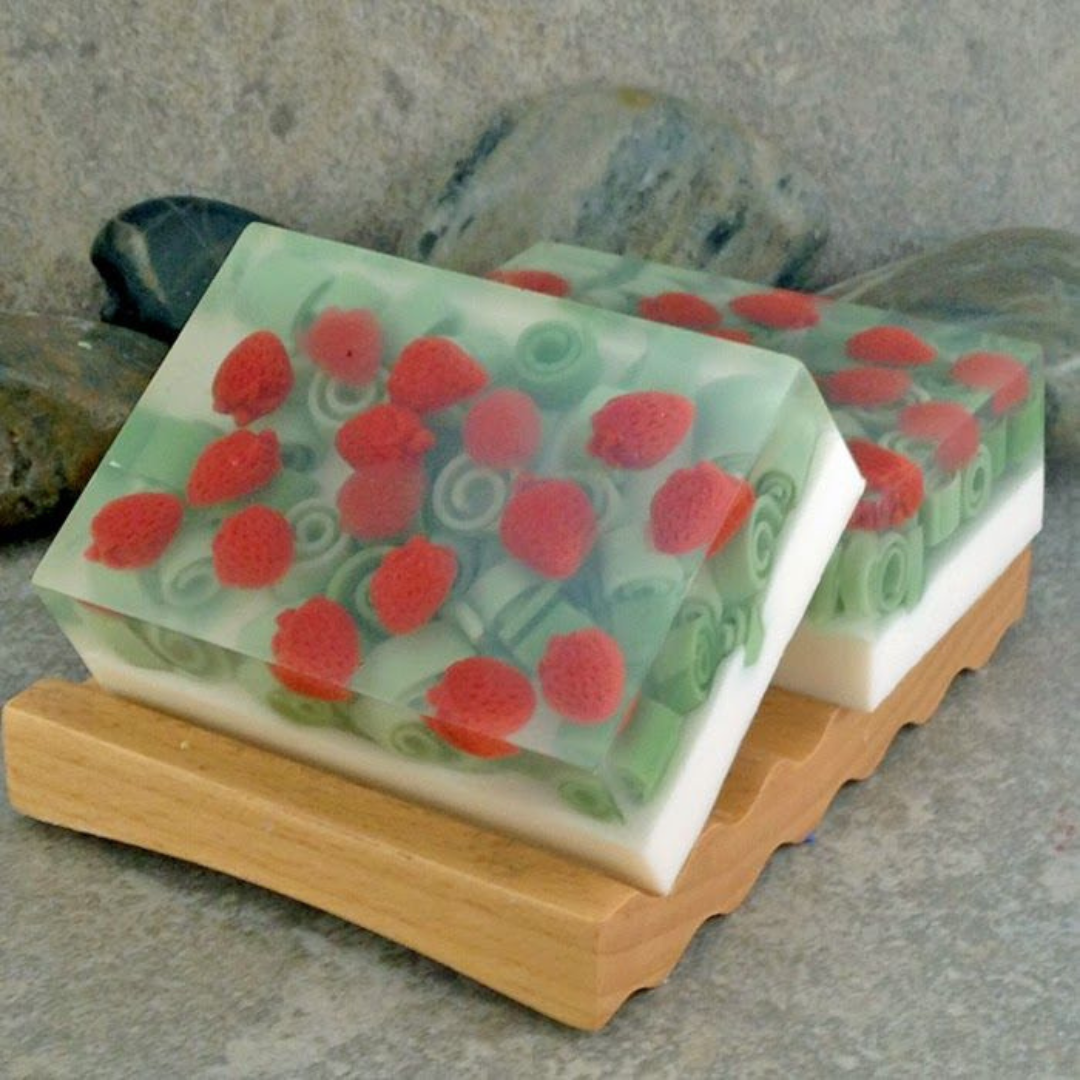
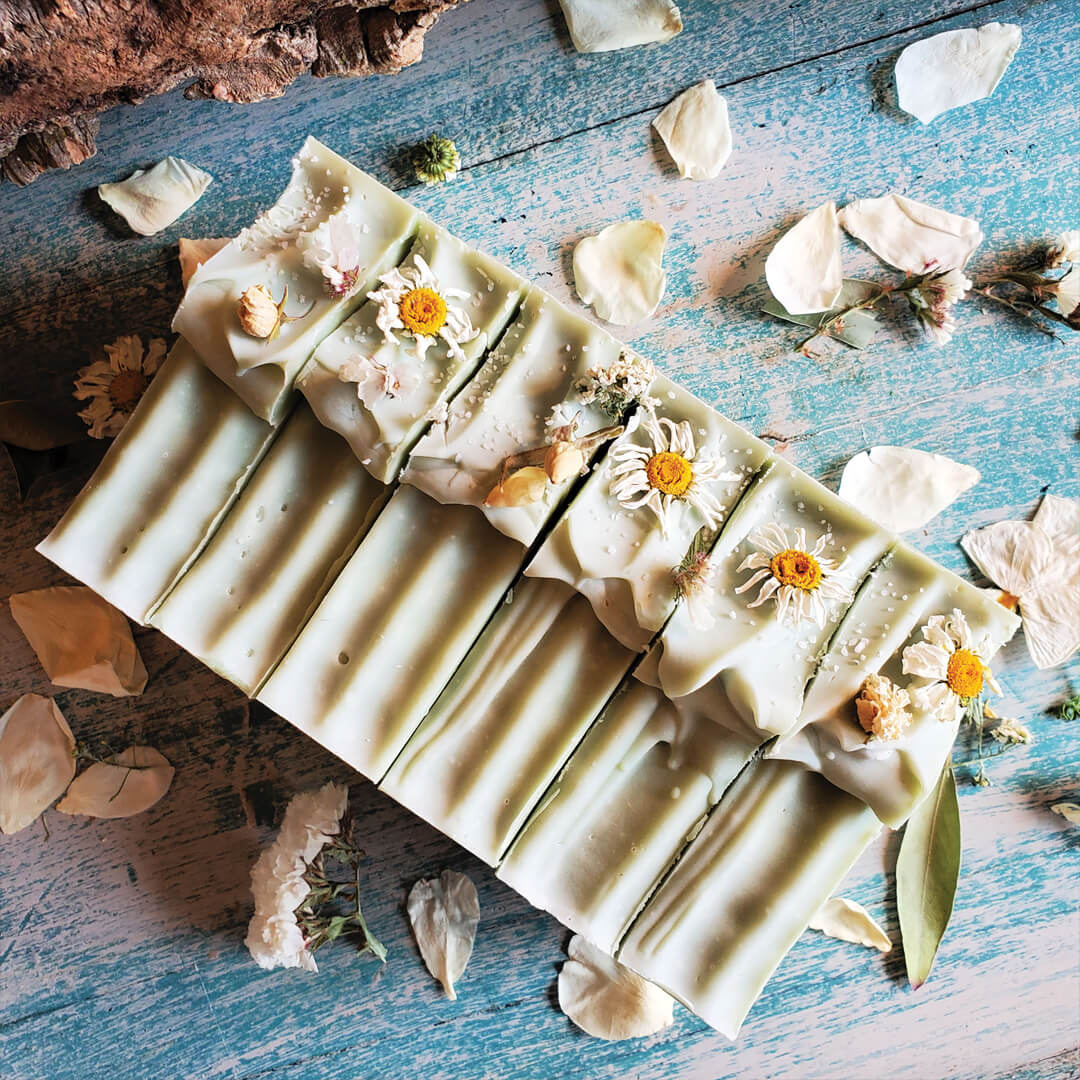
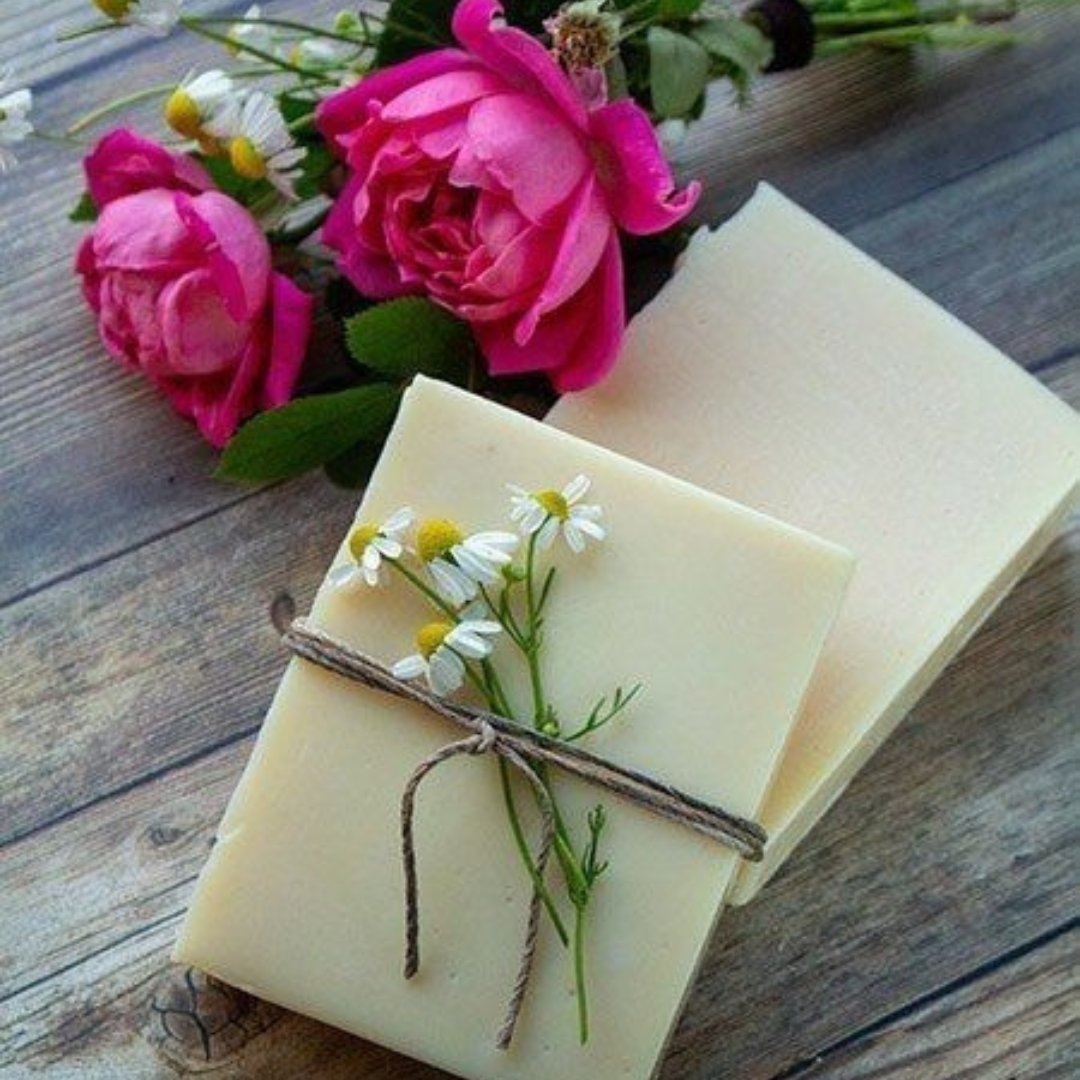
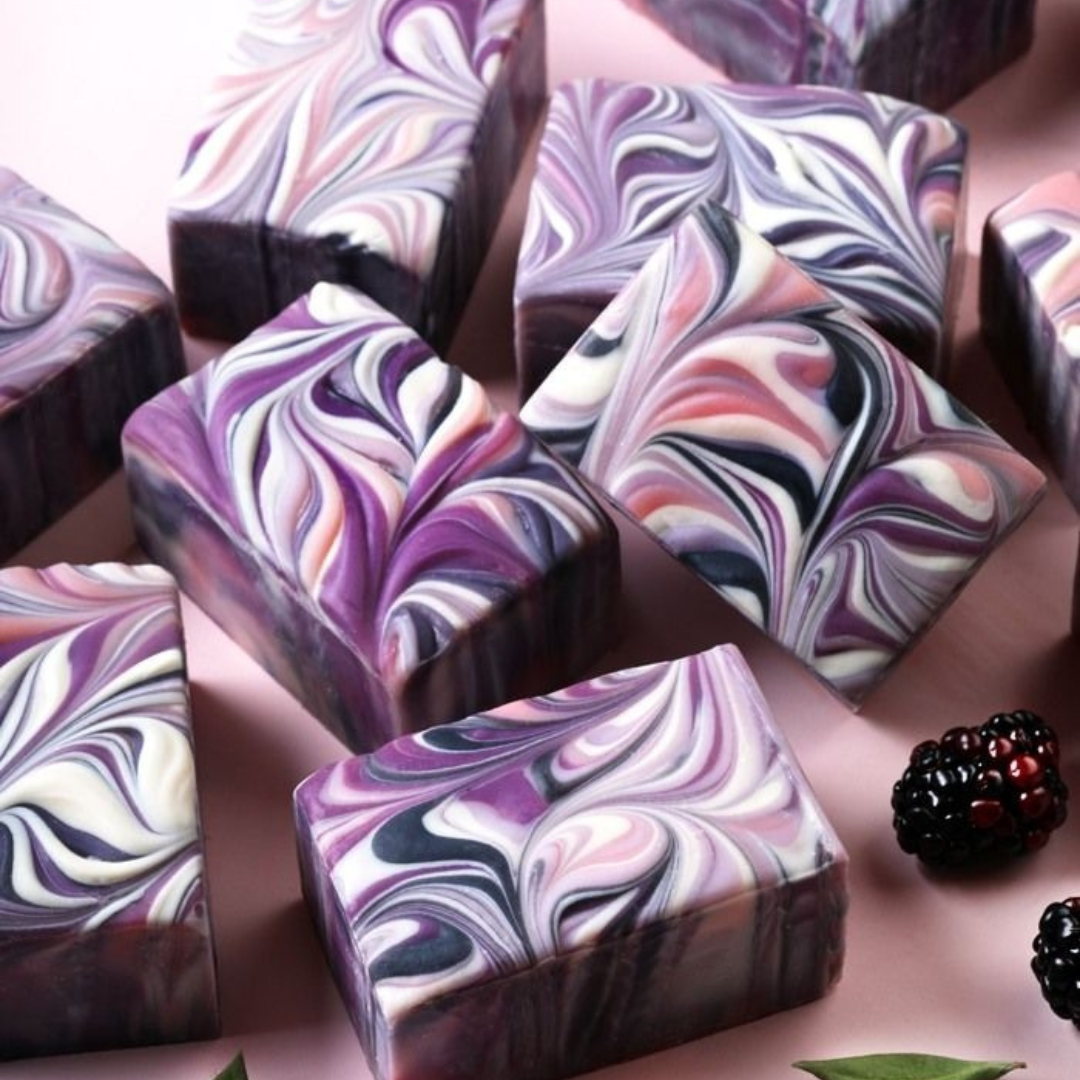
Handmade soap bars from the CSDO Soappreneur live laboratory Program Preview Inside CSDO · From First Batch to First Collection
Program at a Glance

This Is Not an Ordinary Soap-Making Class

It's a professional program that ends with your own product range — formulated, troubleshot, costed, packaged and ready for its first customers.

  • 7 Modules + Specialized Soap Base Track
  • Melt & Pour, Cold Process & Spa Products
  • Professional Troubleshooting Classes
  • Costing, Packaging & 30-Day Action Plan
The Final Outcome

You Won't Just Learn Soap Making. You'll Be Ready to Sell.

Most courses end with a handful of recipes. This program ends with six professional abilities — and a small product range you understand from the molecule to the market.

After 16 classes, not just: “I learned soap making.”

“I understand soap formulation, I can make and troubleshoot my products, calculate their cost, create a small product range, package them professionally, and I know how to take my first steps towards selling them.”
What every CSDO Soappreneur graduate should be able to say
1

Understand Formulation

Know why every oil, alkali, humectant and additive behaves the way it does.

2

Make With Confidence

Run full Melt & Pour, Cold Process, whipped soap, bath salt and bath bomb batches.

3

Troubleshoot Any Batch

Diagnose soda ash, seizing, sweating, cracking and 20+ other professional faults.

4

Calculate True Cost

Price every 100 g bar from raw material, packaging, labour, wastage and overheads.

5

Build & Package a Range

Name, label, batch-code and professionally package a small product collection.

6

Take Your First Sales Steps

Reach B2C buyers and B2B salons, spas, hotels and corporate gifting clients.

The Curriculum

7 Professional Modules + a Specialized Soap Base Track

Every module pairs theory with live practicals, so you always know why a formula works before you make it. Open any module to see the complete syllabus.

Every module includes Theory Live Practical Business Application
  1. 01

    Science & Ingredients

    pH, terminology, raw materials, fragrance loading and INCI names.

    Module 01
  2. 02

    Formulation & Practical Craft

    Melt & Pour, Cold Process, bath salts, whipped soap and bath bombs.

    Modules 02–06
  3. 03

    Soap Base Manufacturing

    Make transparent, charcoal, opaque, extra-clear and SLS/SLES-free bases.

    Specialized Track
  4. 04

    Product to Business

    Costing, packaging, labelling, marketing and a 30-day action plan.

    Module 07
Soap making raw materials and botanicals
Module 01 · Foundation

Soap Making Foundation

Understand what soap really is — its chemistry, terminology, ingredients and market — before you make your first bar.

  • Soap vs Syndet · Handmade vs Commercial
  • pH & Natural / Herbal / Organic Terminology
  • Fragrance Loading, Micas, Clays & Exfoliants
  • INCI Names & Market Opportunities
View full syllabus · 19 topics
Foundation Theory
  • What is soap?
  • History & evolution of soap
  • Soap vs syndet cleansing bars
  • Handmade vs commercial soap
  • Methods of soap making
  • Melt & Pour vs Cold Process
  • Natural, herbal & organic terminology
  • Understanding pH
  • Market opportunities in handmade soaps
Raw Materials & Ingredient Science
  • Raw materials & equipment
  • Fragrances vs essential oils
  • Fragrance loading
  • Essential oils
  • Colours & micas
  • Herbal powders
  • Clays
  • Exfoliants
  • Fragrance compatibility
  • Understanding INCI names
Designer melt and pour soaps
Module 02 · Melt & Pour

Melt & Pour Soap Making

Choose the right base, stop sweating for good, and design a premium collection — from single-colour bars to multi-layer embeds.

  • 7 Base Types incl. SLS/SLES-Free
  • Embeds, Swirls, Marble, Loofah & Botanical
  • Aloe, Neem, Turmeric, Charcoal, Coffee, Oatmeal
  • Batch Scaling, Packaging & Shelf Life
View full syllabus · 39 topics
Melt & Pour Fundamentals
  • What is a MP soap base?
  • How MP base is manufactured
  • Transparent vs opaque base
  • White base
  • Clear base
  • Goat milk base
  • Aloe vera base
  • Charcoal / herbal bases
  • SLS/SLES-free bases
  • Selecting the correct base
  • Correct melting temperature
  • Why MP soap sweats
  • Common mistakes
Designer Melt & Pour Soaps
  • Single colour
  • Embedding
  • Swirling
  • Two-colour soaps
  • Marble effects
  • Decorative soaps
  • Loofah soap
  • Botanical soap
Premium & Functional Positioning
  • Aloe vera soap
  • Neem soap
  • Turmeric soap
  • Charcoal soap
  • Coffee soap
  • Oatmeal soap
Advanced MP Techniques
  • Multi-layer soap
  • Premium decorative techniques
  • Soap embeds
  • Transparent designs
  • Colour combinations
  • Fragrance combinations
  • Creating a premium collection
  • Batch scaling
  • Manufacturing consistency
  • Packaging
  • Shelf life
  • Storage
Cold process soap bars curing
Module 03 · Cold Process

Cold Process Soap Making

The heart of the program: real saponification chemistry, lye maths, full practical batches and a dedicated troubleshooting class.

  • 12 Oils & Butters + Saponification Chemistry
  • NaOH, Water, Superfat & Soap Calculator
  • Full Batch: Weigh → Trace → Cut → Cure
  • 15-Fault Troubleshooting & Commercial Formulas
View full syllabus · 72 topics
Oils, Butters & Saponification
  • Coconut oil
  • Olive oil
  • Rice bran oil
  • Castor oil
  • Palm oil
  • Sunflower oil
  • Sesame oil
  • Shea butter
  • Cocoa butter
  • Mango butter
  • Kokum butter
  • Almond butter
  • What is saponification?
  • Oils + NaOH → Soap + Glycerin
  • Understanding triglycerides
  • Role of sodium hydroxide
Lye & Formulation Calculations
  • NaOH calculation
  • Water calculation
  • Lye concentration
  • Water-to-lye ratio
  • Superfatting
  • Lye discount
  • Recipe percentages
  • Converting batch sizes
  • Safety precautions
  • Handling NaOH correctly
  • Practical: using a soap calculator
  • How oils change hardness, cleansing, conditioning, bubbles & cost
Basic Cold Process Practical
  • Weighing
  • Preparing lye
  • Preparing oils
  • Temperature management
  • Emulsification
  • Trace
  • Adding colour / fragrance
  • Pouring
  • Insulation
  • Unmoulding
  • Cutting
  • Curing
Practicals, Variations & Advanced Design
  • Complete beginner CP batch
  • Charcoal soap
  • Neem soap
  • Vitamin E soap
  • Almond soap
  • Light vs medium vs thick trace
  • Layering in the soap
CP Soap Troubleshooting (Professional Class)
  • Soap too soft
  • Soap too hard
  • False trace
  • Seizing
  • Ricing
  • Separation
  • Soda ash
  • Cracking
  • Overheating
  • Glycerin rivers
  • DOS / rancidity
  • Fragrance acceleration
  • Colour morphing
  • Low lather
  • High pH concerns
Commercial CP Formulation
  • Economy soap
  • Premium soap
  • Herbal soap
  • Moisturising soap
  • High-lather soap
  • Hard / long-lasting bar
  • Formula scaling
  • Raw-material costing
  • Curing inventory
  • Commercial consistency
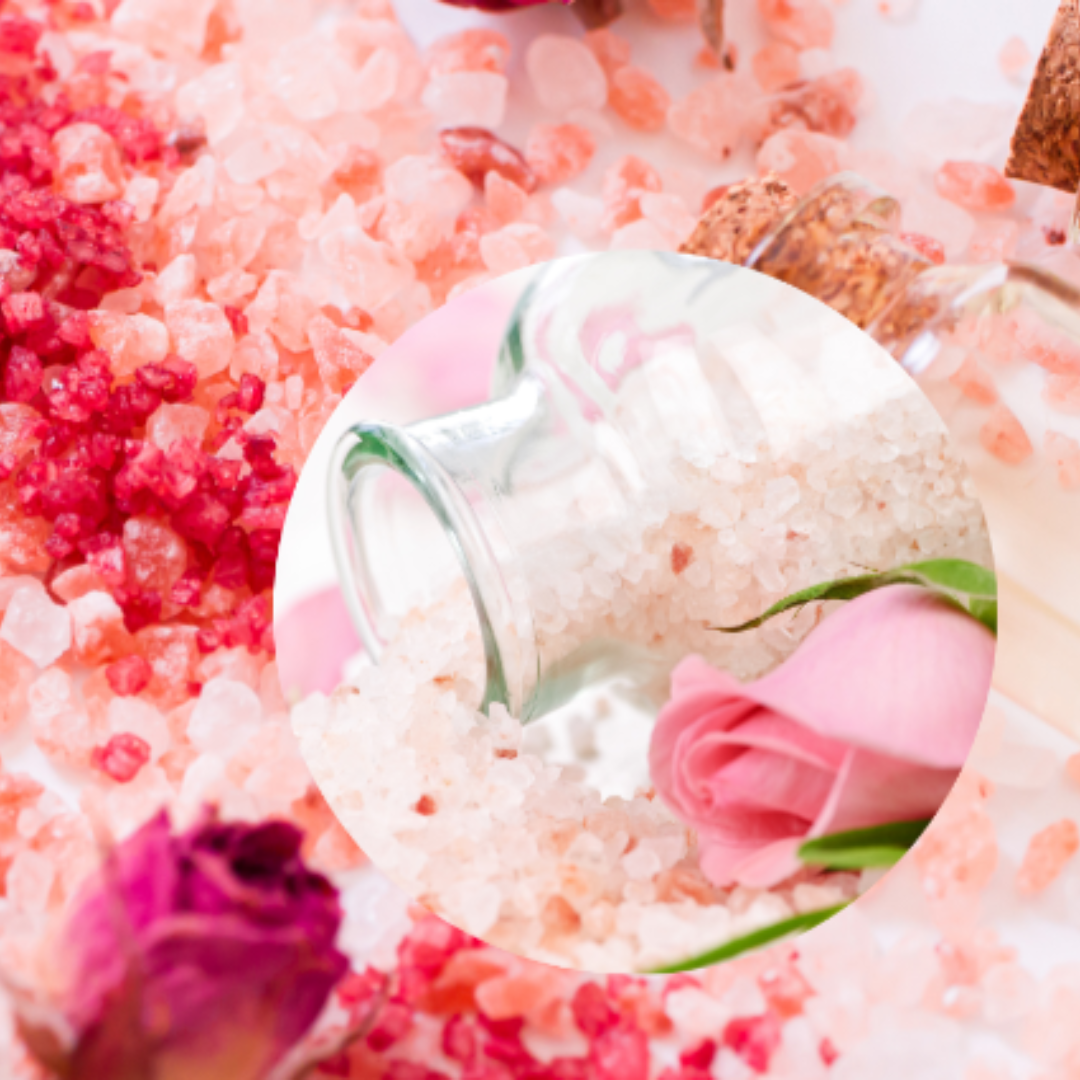
Aromatic bath salt jars
Module 04 · Bath Salts

Bath Salt Making

Formulate therapeutic, spa-grade bath salts with the right salt, grain size and moisture control — then present them beautifully.

  • Epsom, Sea, Himalayan & Dead Sea Salts
  • Grain Size, Botanicals & Moisture Control
  • Relaxing, Floral, Foot Soak & Spa Blends
  • Layered & Premium Jar Presentation
View full syllabus · 24 topics
Bath Salt Fundamentals
  • What are bath salts?
  • Benefits & limitations
  • Types of salts
  • Epsom salt
  • Sea salt
  • Himalayan salt
  • Dead Sea salt
  • Grain size
  • Essential oils / fragrances
  • Colours
  • Botanicals
  • Clays
  • Moisture control
  • Practical: basic aromatic bath salt
Premium Bath Salt Variations
  • Relaxing bath salt
  • Floral bath salt
  • Foot soak
  • Herbal bath salt
  • Luxury spa salt
  • Milk-style bath soak
  • Fragrance combinations
  • Colour combinations
  • Layered presentation
  • Premium jar presentation
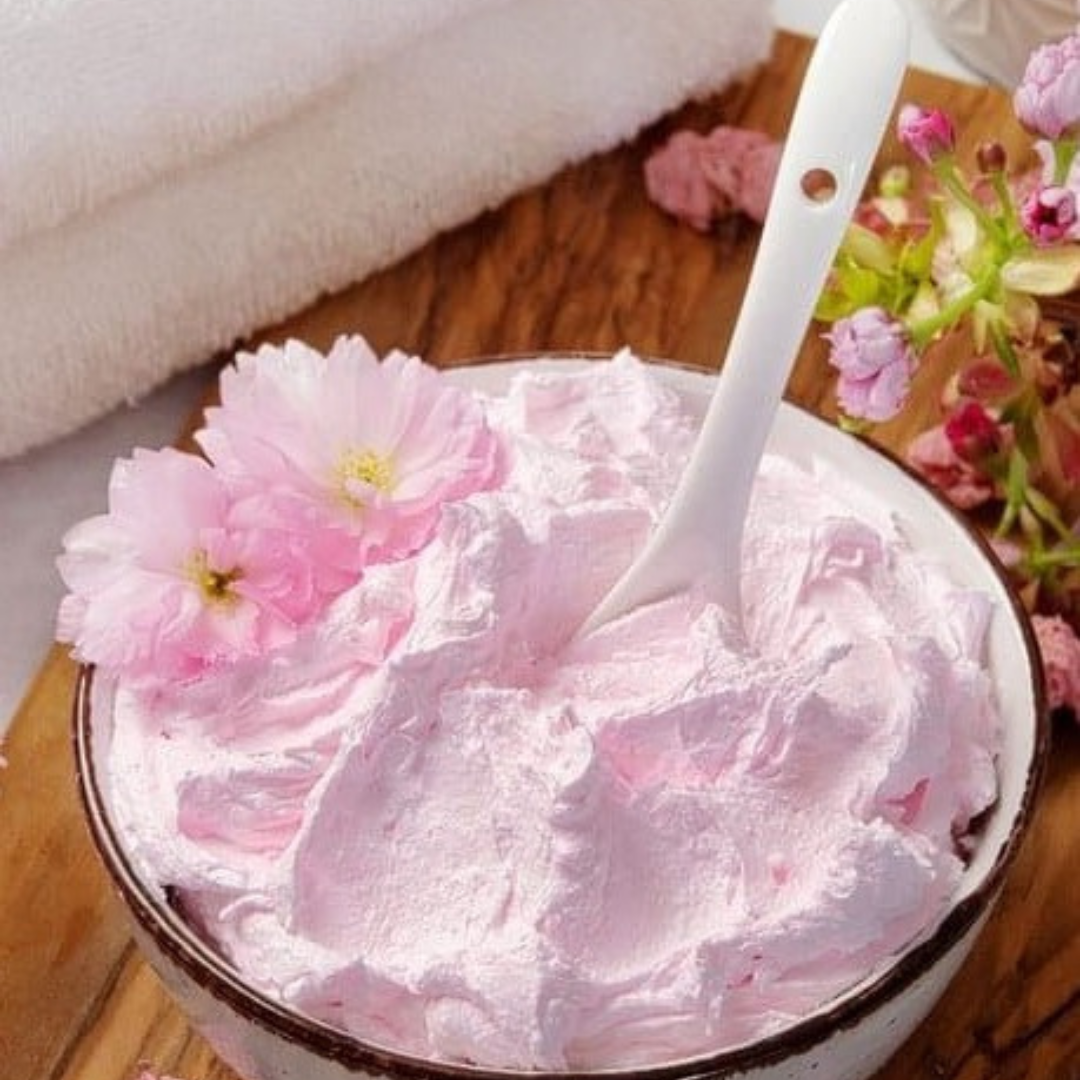
Whipped foaming soap butter
Module 05 · Whipped Soap

Whipped Soap Making

Create the foaming bath-butter texture customers love — and keep it stable, safe and beautiful on the shelf.

  • Whipped vs Traditional Soap
  • Surfactants, Humectants & Structuring
  • Preservatives, pH, Texture & Stability
  • Vanilla Butter & Mango Butter Practicals
View full syllabus · 16 topics
Understanding Whipped Soap
  • What is whipped soap?
  • Whipped vs traditional soap
  • Foaming bath butter concept
  • Understanding the base
  • Surfactants
  • Humectants
  • Oils & butters
  • Thickeners / structuring
  • Preservatives
  • Fragrance
  • Colour
  • pH
  • Texture & stability
Practicals
  • Basic whipped soap
  • Vanilla butter whipped soap
  • Mango butter whipped soap
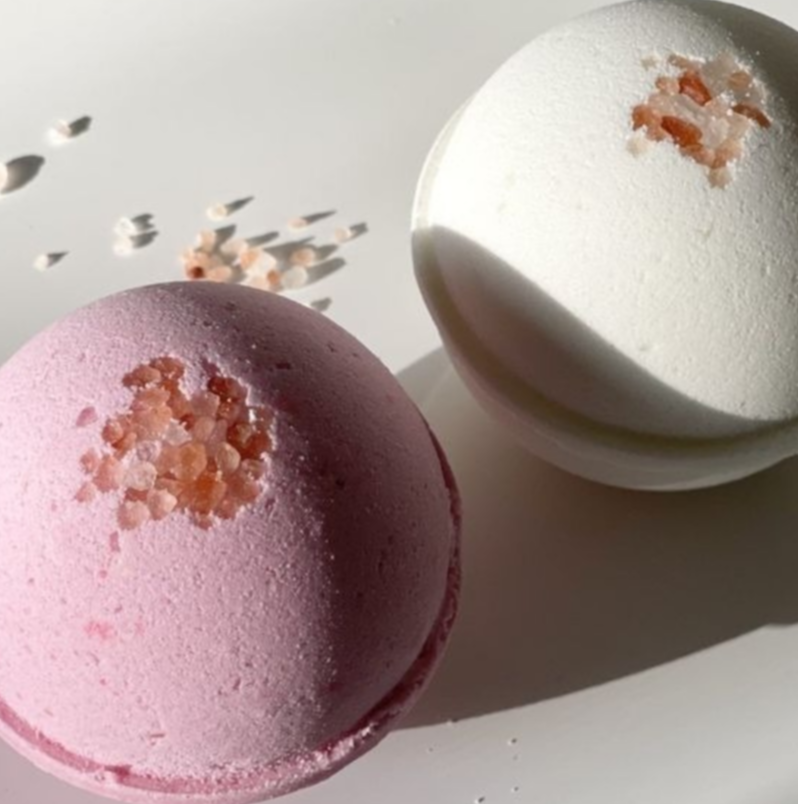
Fizzy bath bombs
Module 06 · Bath Bombs

Bath Bomb Fundamentals & Formulation

Understand the fizzing reaction before you mix, then fix the 9 faults that ruin most beginner bath bombs.

  • Sodium Bicarbonate + Citric Acid Balance
  • Classic, Madagascar Vanilla & Neem Practicals
  • Cracking, Swelling & Premature Fizzing Fixes
  • Gift Sets, Packaging & Basic Costing
View full syllabus · 33 topics
Bath Bomb Science
  • What is a bath bomb?
  • How a bath bomb works
  • The fizzing reaction
  • Role of sodium bicarbonate
  • Role of citric acid
  • Balancing dry ingredients
  • Suitable colours
  • Fragrance & essential oils
  • Correct mixing technique
  • The right consistency
  • Choosing moulds
  • Mould filling & compression
  • Drying & hardening
  • Safe handling & storage
  • Common beginner mistakes
Live Practical
  • Classic fizzy bath bomb
  • Madagascar vanilla bath bomb
  • Neem bath bomb
Troubleshooting
  • Cracking
  • Crumbling while unmoulding
  • Becoming too soft
  • Expanding or swelling
  • Premature fizzing
  • Not holding its shape
  • Breaking after drying
  • Sticking to the mould
  • Poor fizzing performance
Packing & Presentation
  • Individual wrapping
  • Pouch & box packaging
  • Bath bomb sets
  • Gift presentation
  • Moisture protection & storage
  • Basic product costing
Packaged handmade soap collection
Module 07 · Business

From Product to Business

The class that separates CSDO from hobby courses: cost, price, package and market your soaps with confidence.

  • Cost per 100 g Bar, Wholesale & Retail Price
  • Naming, Product Range, Labels & Batch Coding
  • B2C, B2B, Salons, Hotels & Corporate Gifting
  • 30-Day Action Plan After the Program
View full syllabus · 30 topics
Costing, Packaging & Product Development
  • Raw-material costing
  • Cost per 100 g bar
  • Packaging cost
  • Labour
  • Wastage
  • Overheads
  • Wholesale price
  • Retail price
  • Profit margin
  • Selecting packaging
  • Product naming
  • Creating a product range
  • Basic label information
  • Batch coding
  • Record keeping
  • Compliance basics before commercial sale
Marketing Your Soaps
  • Who is your customer?
  • What will you sell?
  • B2C vs B2B
  • Online vs offline selling
  • Gift hampers
  • Salons / spas
  • Hotels
  • Corporate gifting
  • Exhibitions
  • Social media
  • Product photography
  • Starting with a small investment
  • Common new-business mistakes
  • 30-day action plan
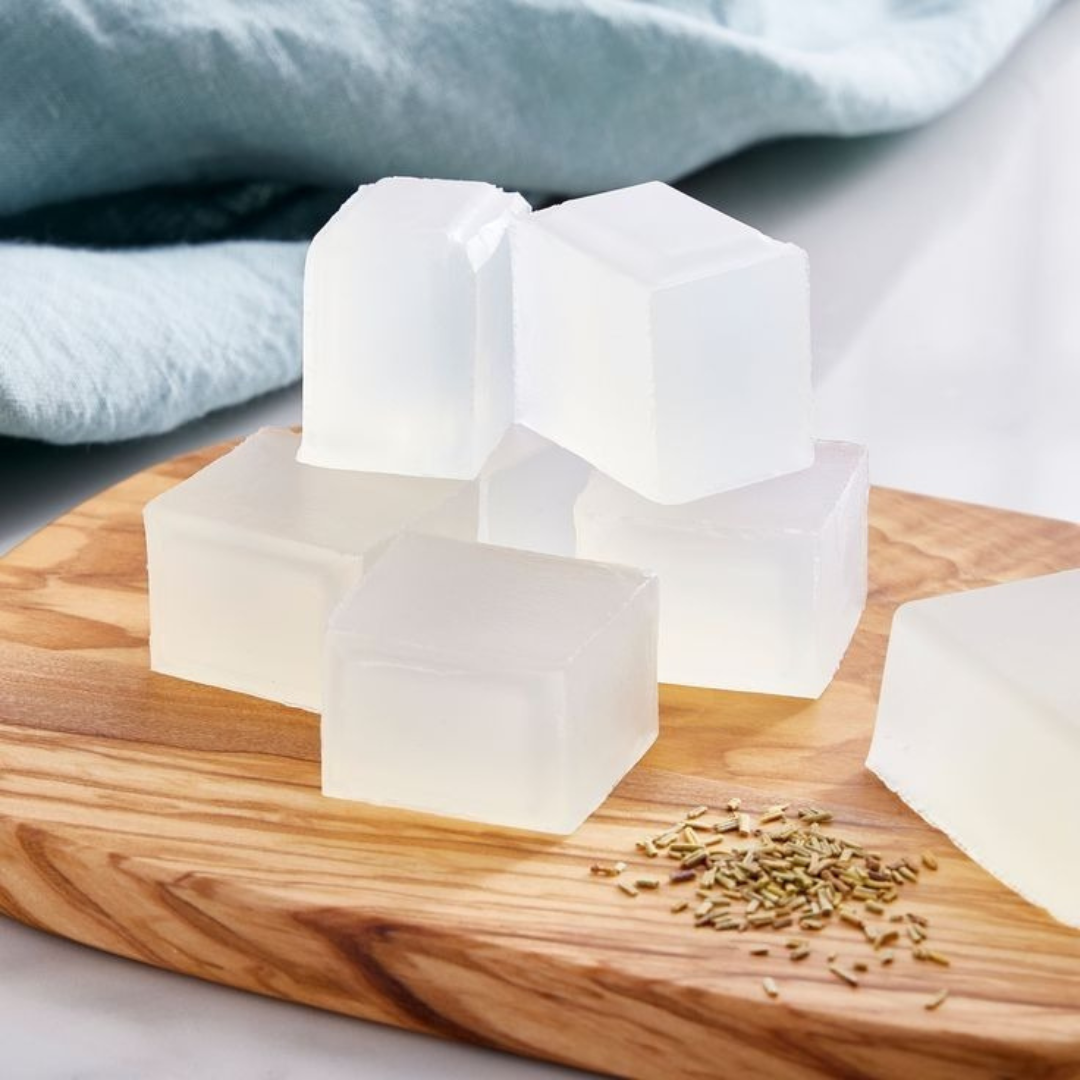
Transparent handmade soap base blocks
Specialized Track Manufacturing

CSDO Professional Soap Base Making

Specialized soap base formulation & manufacturing — understand what creates hardness, clarity, lather, skin feel and remelting.

  • Transparent, Charcoal, Opaque & Extra Clear
  • SLES/SLS-Free Soap Base
  • Fatty Acids, Humectants & Polyol Systems
  • Clarity vs Lather vs Remelting Performance
View full syllabus · 50 topics
Fundamentals & Transparent Soap Base
  • What is a Melt & Pour soap base?
  • How soap base is manufactured
  • Soap vs MP soap base
  • Basic chemistry of soap making
  • Introduction to saponification
  • Understanding fatty acids
  • Fatty acids & base performance
  • Understanding alkali
  • Water in the formulation
  • Humectants & their role
  • Solvents & transparency
  • Sugar / polyol systems
  • Surfactants & their purpose
  • Chelating agents & functional additives
  • Understanding pH
  • Accurate weighing
  • Temperature control
  • Processing sequence
  • Safety precautions
Charcoal Soap Base & Variations
  • Understanding activated charcoal
  • Personal-care grade charcoal
  • Role of charcoal in soap
  • Correct usage level
  • Powder dispersion
  • Preventing lumps
  • When to add additives
  • Appearance & presentation
Opaque Soap Base
  • Transparent vs opaque base
  • Understanding opacity
  • What influences whiteness?
  • Raw-material selection
  • Opacifying systems
  • Formulation & colour
  • Hardness & bar structure
  • Temperature & processing
  • Fragrance considerations
  • Setting & cutting
  • Remelting behaviour
  • Common opaque-base problems
  • Practical: opaque soap base
Extra Clear Soap Base & Packing
  • Transparent vs extra clear base
  • What determines clarity?
  • Why some bases turn yellow / amber
  • Raw-material colour
  • Hardness vs transparency
  • Clarity vs lather
  • Clarity vs remelting performance
  • Evaluating the finished base
  • Practical: extra clear soap base
  • Packing of the soap base
Inside the Formulation Lab

Learn the Science Behind Every Bar

Don't just follow recipes. Understand how oils, alkali, humectants and additives decide hardness, lather, clarity and shelf life — and how to rescue a batch when it goes wrong.

Module 03 · Cold Process Chemistry

How Your Oil Choice Shapes the Bar

Oils & ButtersTriglycerides + NaOHSodium hydroxide SoapYour bar + GlycerinNatural humectant
Oil / Butter Hardness Cleansing Lather Conditioning
Coconut OilLauric Acid ~48%
Olive OilOleic Acid ~70%
Shea ButterStearic Acid ~40%
Castor OilRicinoleic Acid ~90%
Rice Bran OilOleic / Linoleic ~75%

Rated on a 5-point scale. In class you'll use a soap calculator to see how changing oils shifts hardness, cleansing, conditioning, bubbles and cost.

Troubleshooting Clinic

24 Faults You'll Learn to Diagnose & Fix

Cold Process Soap15 faults
  • Soap too soft
  • Soap too hard
  • False trace
  • Seizing
  • Ricing
  • Separation
  • Soda ash
  • Cracking
  • Overheating
  • Glycerin rivers
  • DOS / rancidity
  • Fragrance acceleration
  • Colour morphing
  • Low lather
  • High pH concerns
Bath Bombs9 faults
  • Cracking
  • Crumbling on unmoulding
  • Too soft
  • Swelling
  • Premature fizzing
  • Losing shape
  • Breaking after drying
  • Sticking to mould
  • Poor fizzing

Plus Melt & Pour sweating, common mistakes and opaque-base problems — so you never waste expensive oils on failed trials.

Specialized Track · Soap Base Manufacturing

Don't Just Learn Four Formulas. Learn Why Four Different Soap Bases Behave Differently.

Transparent

What creates clarity?

Solvents, sugar/polyol systems and humectants build transparency, while fatty acids set hardness and lather.

Polyol SystemsHumectantsRemelting

Charcoal

How do you disperse it?

Choose personal-care grade activated charcoal, set the right usage level and disperse it without lumps.

Usage LevelDispersionPresentation

Opaque

What controls whiteness?

Opacifying systems and raw-material choice decide whiteness, colour, bar structure and remelting behaviour.

WhitenessBar StructureSetting & Cutting

Extra Clear

Why do bases turn amber?

Learn how raw-material colour affects clarity — and how to balance clarity against lather and remelting.

Raw-Material ColourClarity vs LatherEvaluation

Also covered: SLES/SLS-free soap base and professional packing of the finished soap base.

From Product to Business

Know Your Numbers. Know Your Customer. Know Your Next 30 Days.

This is the part hobby courses skip. You'll learn to price every bar profitably, formulate for a market, choose your sales channels and start with a small investment.

Module 07 · Product Costing

What a 100 g Bar Really Costs You

Raw Material + Packaging + Labour + Wastage + Overheads = Cost per 100 g Bar
+ Wholesale margin
+ Retail margin
Cost per BarYour true production cost
Wholesale PriceSalons, spas, hotels & stores
Retail PriceDirect to your customers

Illustrative. You'll calculate your real numbers in class, along with batch coding, record keeping and compliance basics.

Commercial Formulation

Formulate for a Market, Not Just a Recipe

EconomyValue pricing, everyday use
PremiumLuxury oils & butters
HerbalBotanical positioning
MoisturisingHigh conditioning
High-LatherBig, fast bubbles
Long-LastingHard, durable bar

Plus formula scaling, raw-material costing, curing inventory and commercial consistency.

Marketing Your Soaps

Where Your Soaps Will Sell

B2C

Direct to customers
  • Online selling
  • Social media
  • Exhibitions
  • Gift hampers

B2B

Business buyers
  • Salons & spas
  • Hotels
  • Corporate gifting
  • Offline retail
Product Photography Small-Investment Start Avoid Common Mistakes
After Graduation

Your 30-Day Action Plan

  1. W1
    Days 1–7

    Formulation & Curing

    Finalize 3 hero recipes, prepare test batches, set up CP curing racks and calculate per-unit raw material cost.

  2. W2
    Days 8–14

    Packaging & Brand Identity

    Source eco-friendly outer boxes, finalize INCI & batch labels, run drop/sweat tests and photograph your products.

  3. W3
    Days 15–21

    Pricing & Catalog Setup

    Finalize MRP & wholesale pricing tiers, create a WhatsApp Business catalog and prepare sample discovery kits.

  4. W4
    Days 22–30

    Launch & B2B Outreach

    Announce your collection, pitch to 10 local spas/salons and secure your first 20 paid pre-orders.

Student Reviews

Real Students. Real Soap Brands.

Homemakers, professionals and artisans who turned their first batch into a business. Watch their stories and see where they started — and where they are now.

Pooja Sharma's cold process soap collection Cold Process

Built a cold-process soap brand that now sells across India.

BeforeZero chemistry knowledge
After2,500 CP units sold monthly
Pooja Sharma Founder, Vedic Botanicals
Kavita Mehra's handmade soap bases Soap Base Track

Mastered soap base formulation and now makes her own bases in-house.

BeforeStandard raw-material costs
After42% saved on procurement
Kavita Mehra Founder, PureAura Soaps
Ananya Sen's whipped soaps and bath bombs Whipped & Bath Bombs

Turned luxury whipped soaps and bath bombs into a corporate hamper line.

BeforeHobby soap maker
AfterCorporate hamper supplier
Ananya Sen Artisan Formulator

Why 100,000+ Formulators Train With CSDO

ISO 9001:2015 Verified

Nationally accredited credentials recognized for retail brand launch, corporate hampers and exhibitions.

Verified Raw Material Network

Direct supplier contacts for oils, essential oils, colours and packaging without middlemen.

Lifetime Class Recordings

Revisit practical demonstrations, trace timings and formulation charts at your own pace, anytime.

Continuous Mentor Support

Troubleshoot real batches with master formulators so you never waste expensive oils on failed trials.

2 Months · 16 Live Classes · Limited Batch Seats

Don't Just Learn Soap Making. Build Your Soap Brand.

Message us on WhatsApp for the next batch dates and fee, and our team will help you plan your start — from first formula to first collection.