Turn Everyday Cleaning Products Into a Professional Skill You Can Build On

16-Day Professional Home Care Product Making Program

Learn how professional home-care products are formulated, manufactured, tested, costed and developed for different market segments.

From Phenyl and Dishwash to Bathroom Cleaner, Toilet Cleaner, Glass Cleaner, Multipurpose Cleaner and Liquid Laundry Detergent, this structured program takes you from basic ingredient understanding to practical product development.

  • 16-Day Structured Program
  • Theory + Practical Learning
  • Beginner Friendly
  • Business-Oriented
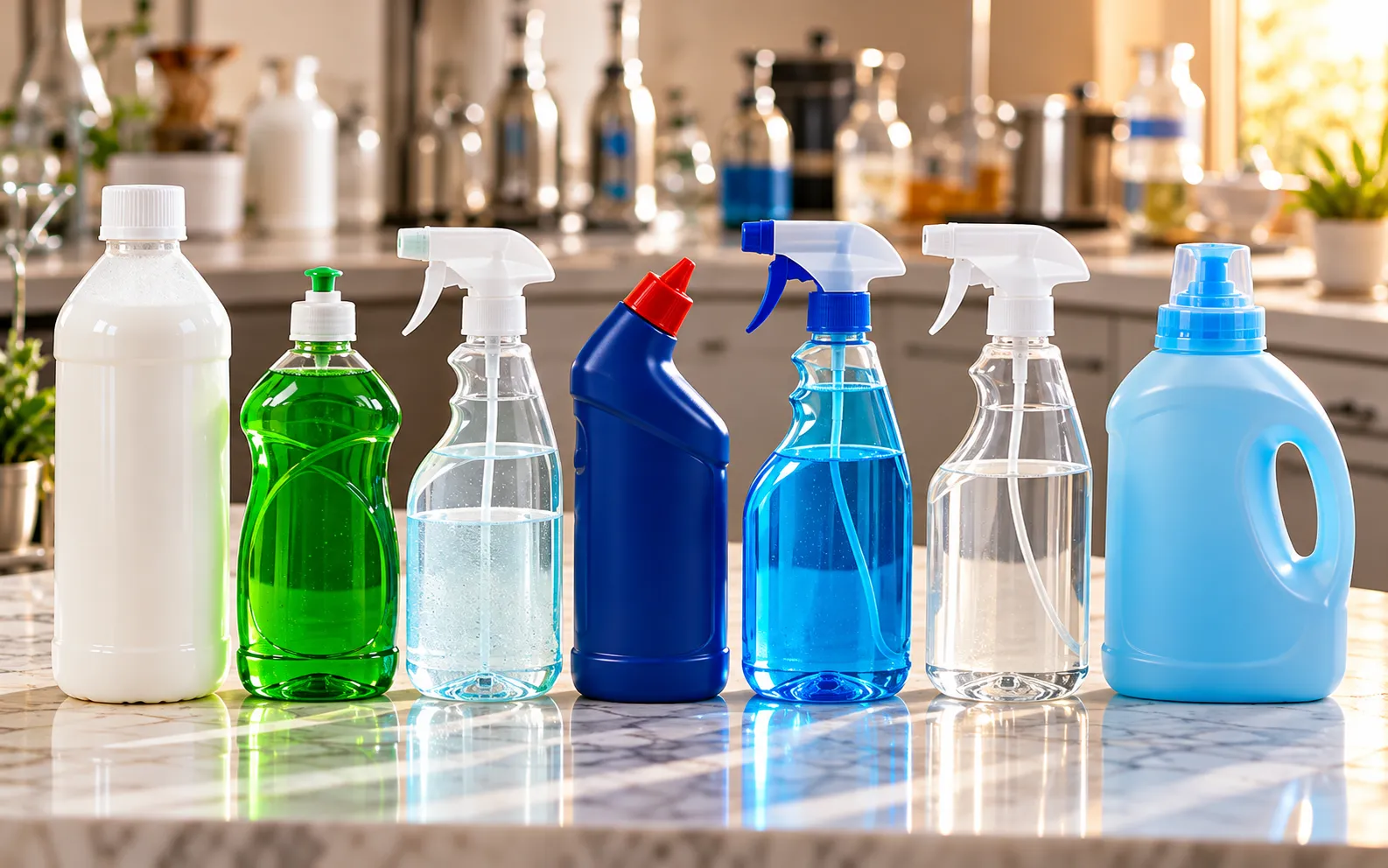
Seven unbranded home care products in a row — phenyl, dishwash, spray cleaners, toilet cleaner and liquid detergent Seven home care products in one row1200 × 750 7 Product Categories
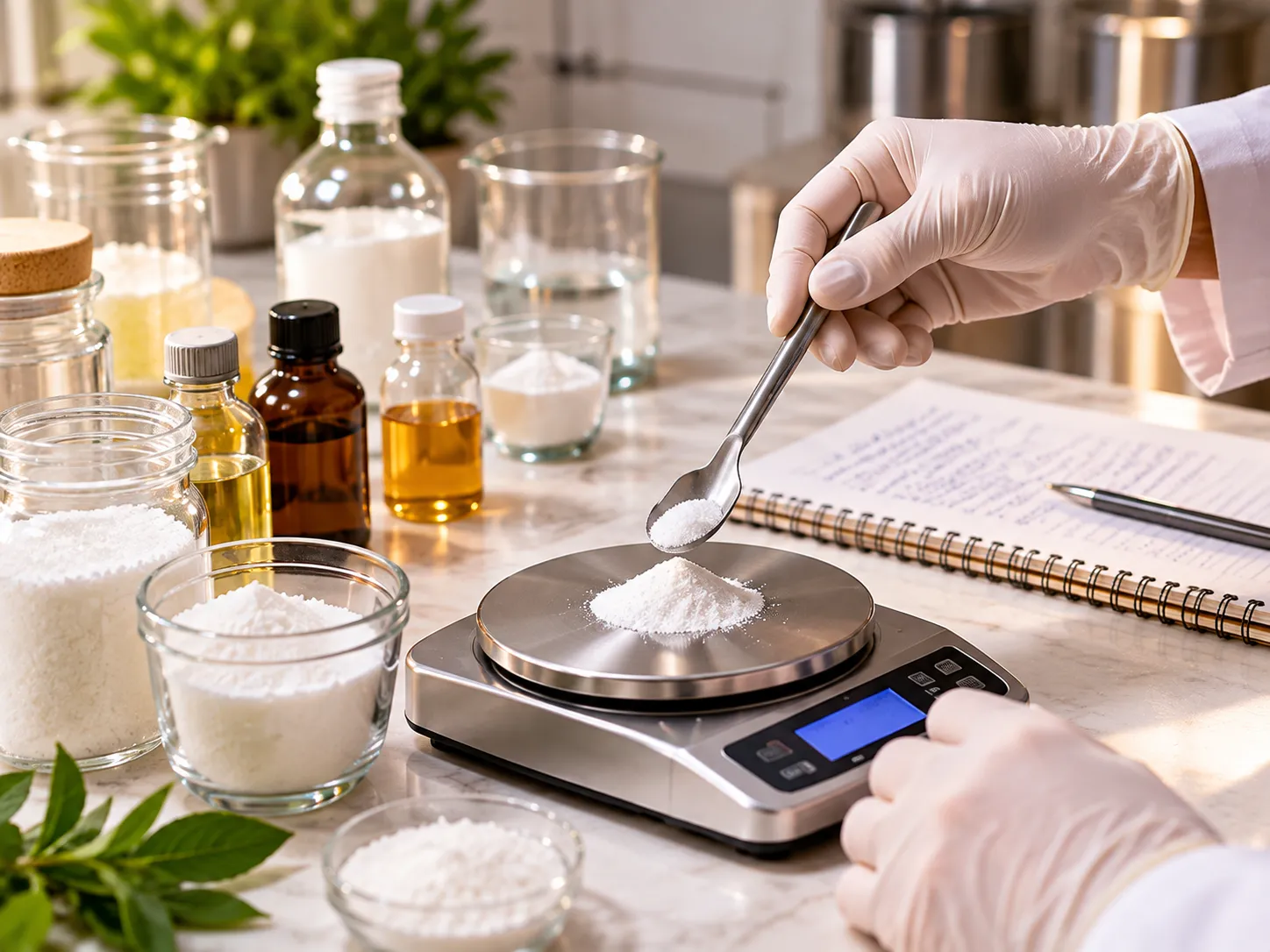
Gloved hand weighing a home care raw material on a digital scale Formulate800 × 600
1Formulate
Make800 × 600
2Make
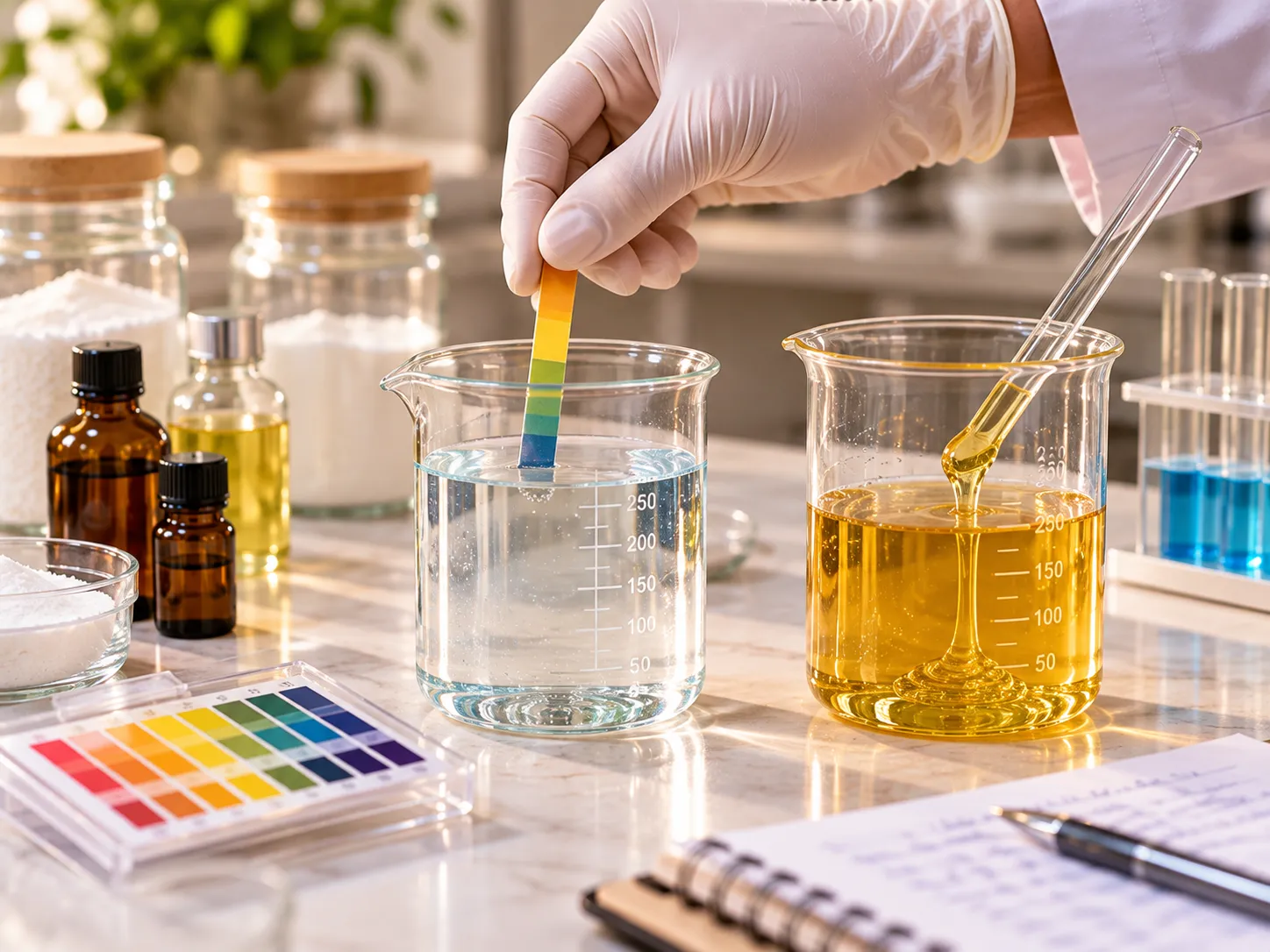
Testing the pH of a cleaner sample with an indicator strip beside a second sample in a beaker Test800 × 600
3Test

One Category · Different Market Positions

You will not simply learn what to mix. You will begin to understand:

  • Why an ingredient is used.
  • How ingredients work together.
  • Why does one formulation cost more than another?
  • How economy, regular and premium products differ.
  • Why products sometimes separate, become thin or lose stability.
  • How to calculate manufacturing cost.
  • How to begin developing a Home Care product range.
Your Next Business Skill?

What If the Products You Use Every Day Could Become Your Next Business Skill?

Look around almost any home, office, hotel, restaurant or institution. You will find products such as:

  • Phenyl
  • Dishwash Liquid
  • Bathroom Cleaner
  • Toilet Cleaner
  • Glass Cleaner
  • Multipurpose Cleaner
  • Laundry Detergent

These are not occasional-use products. They are everyday-use products.

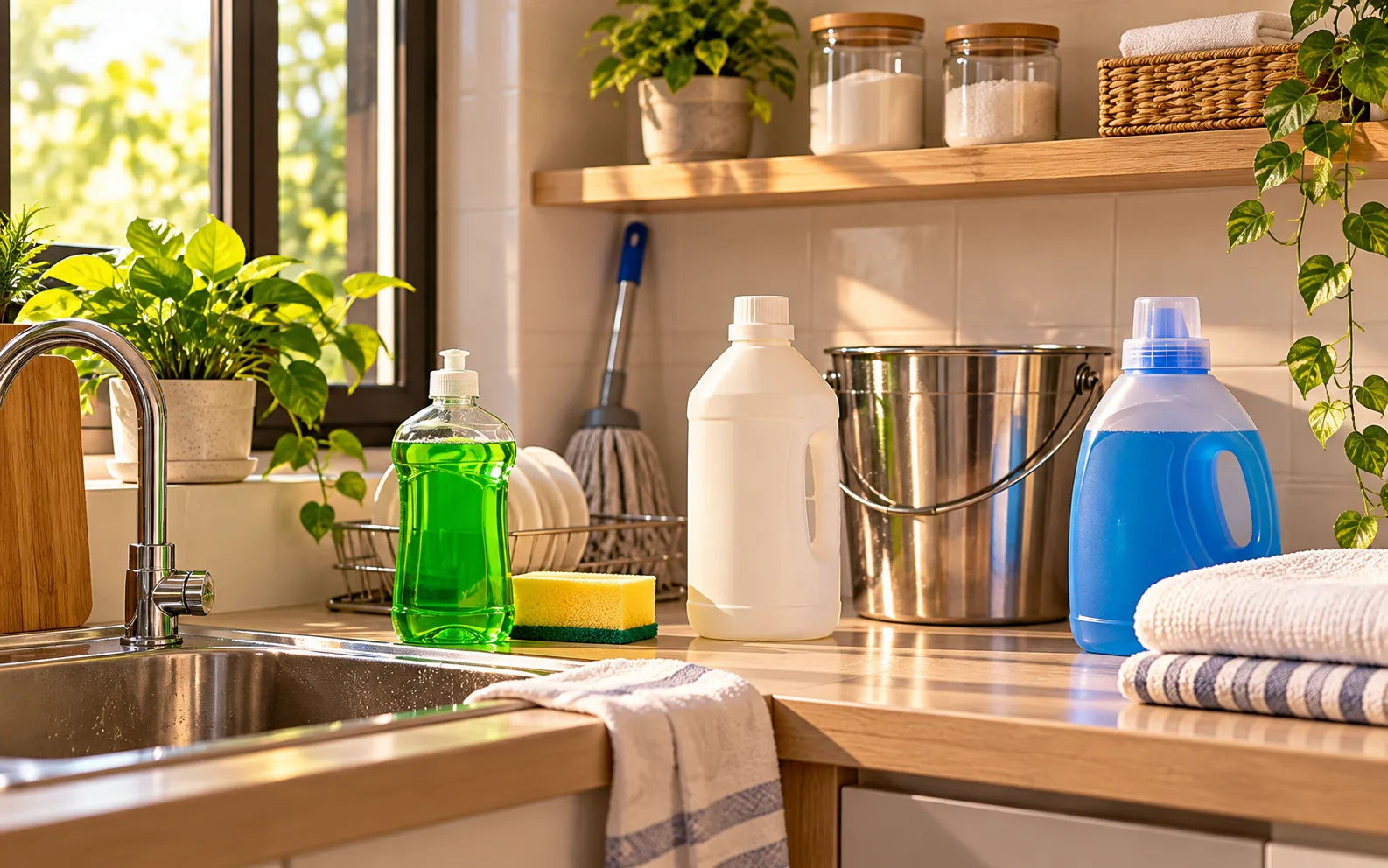
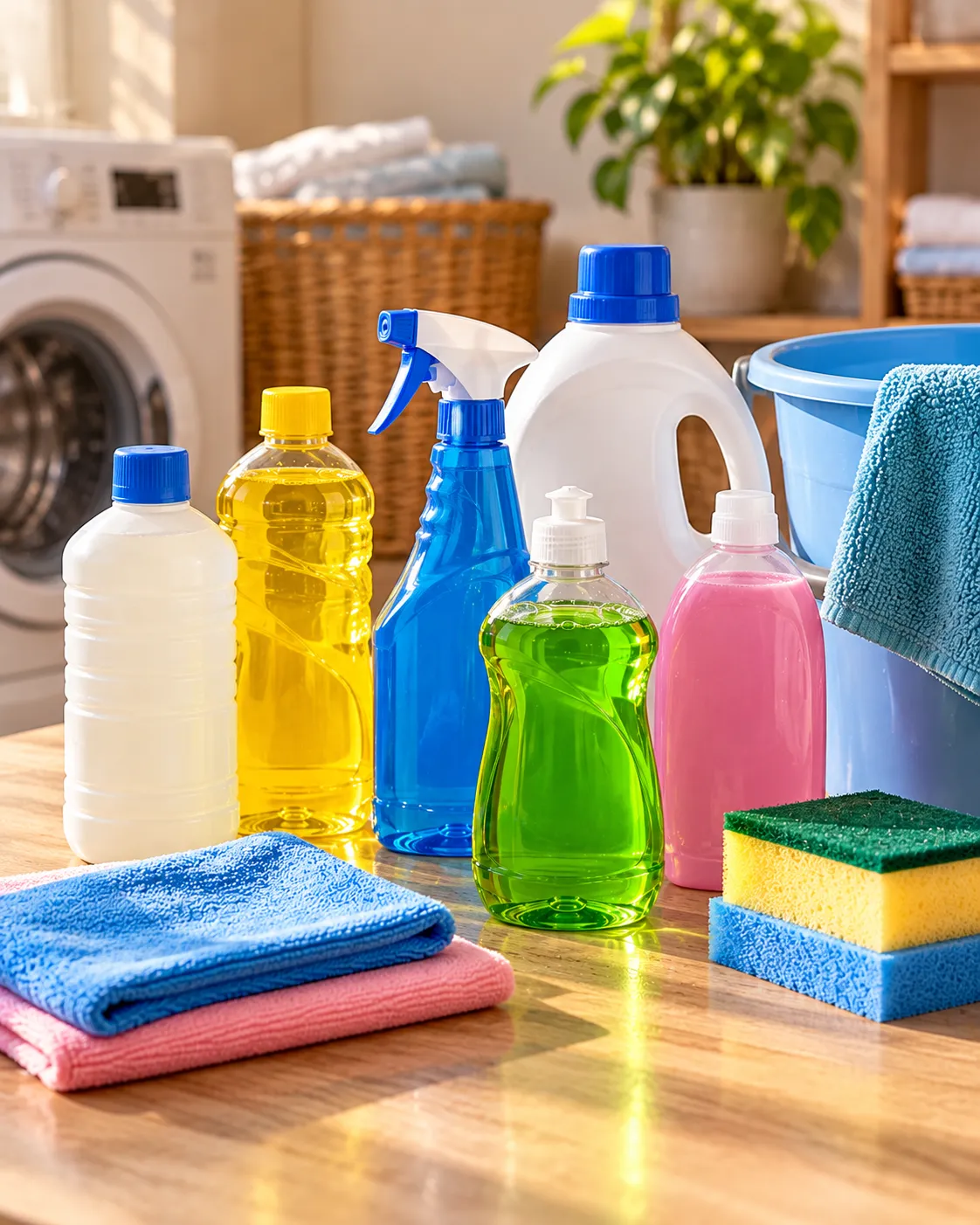
Everyday cleaning products — dishwash, floor cleaner and laundry liquid — beside a kitchen sink Everyday cleaning products at home800 × 500

Home Carepreneur Silver Level has been designed to help you understand how these products are made professionally—and how the same category can be developed for different customers, prices and performance requirements.

You may begin by making one product. But as your understanding develops, you can gradually start thinking in terms of a complete Home Care product range.

From Your First Cleaner to Your First Home Care Collection.

Is This Course for You?

This program is suitable for:

  • Complete beginners who want structured home-care formulation training
  • Homemakers looking to learn a practical income-oriented skill
  • People planning to start a small Home Care or cleaning-products business
  • Existing manufacturers wanting better understanding of ingredients and formulations
  • Cleaning-product traders or resellers considering their own label
  • Housekeeping-product suppliers
  • People supplying hotels, offices, institutions or commercial establishments
  • Entrepreneurs interested in entering the FMCG / Home Care category
  • Trainers, NGOs and Self Help Groups involved in skill development
  • Anyone who has been following random formulas but wants to understand professional product-making fundamentals
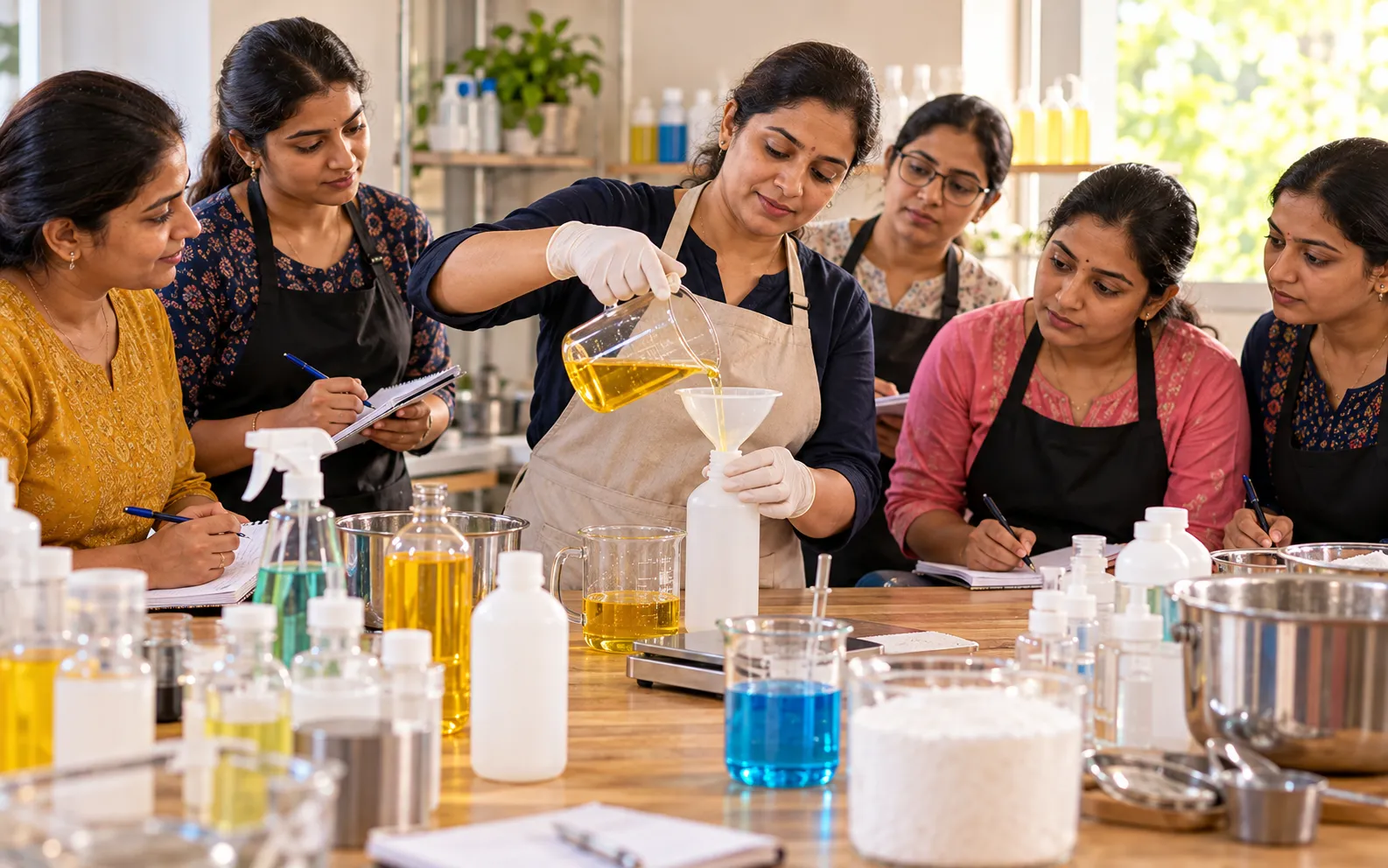
Learners watching a trainer measure a cleaner sample during a home care product making class Learners at a product-making demonstration800 × 500

No Previous Formulation Experience Is Required.

We begin with the fundamentals and gradually move towards product making, troubleshooting, costing and commercial thinking.

What Will You Learn?

Seven Important Home Care Product Categories

Instead of looking at the course as a collection of individual recipes, think of it as seven important Home Care product categories.

Across every category Theory + Practical Economy to Premium Grades Troubleshooting
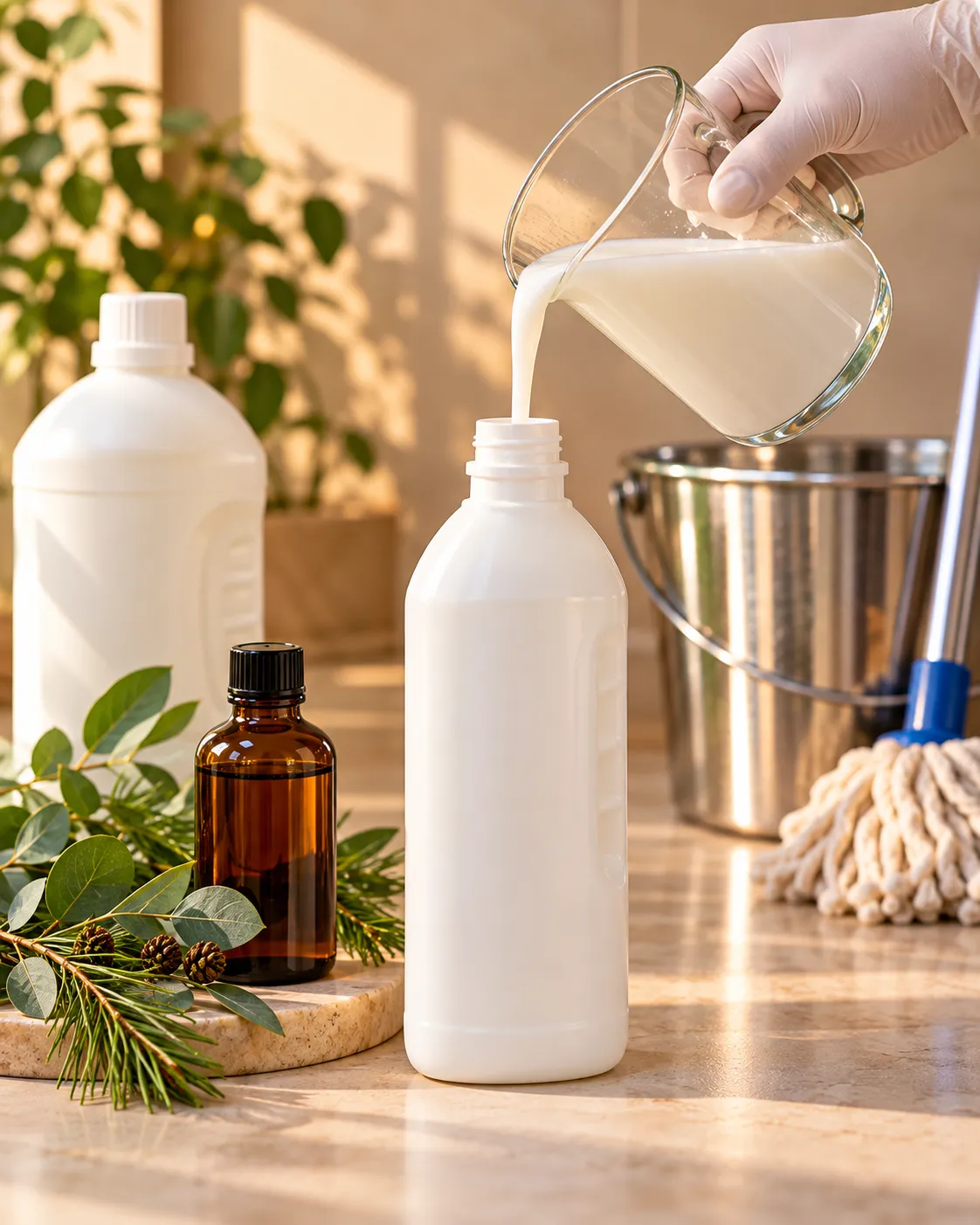
Milky white phenyl being poured into a bottle beside an amber bottle of concentrate and herbs Phenyl & phenyl concentrate600 × 750
Category 01

Phenyl Making

Learn the fundamentals of phenyl formulation, concentrates, emulsifiers, thickening, fragrance, stability and different product positioning.

Regular Phenyl Thick Professional Phenyl Perfumed Phenyl Herbal Phenyl Premium Perfumed Phenyl Aromatherapy Phenyl Phenyl Compound / Concentrate
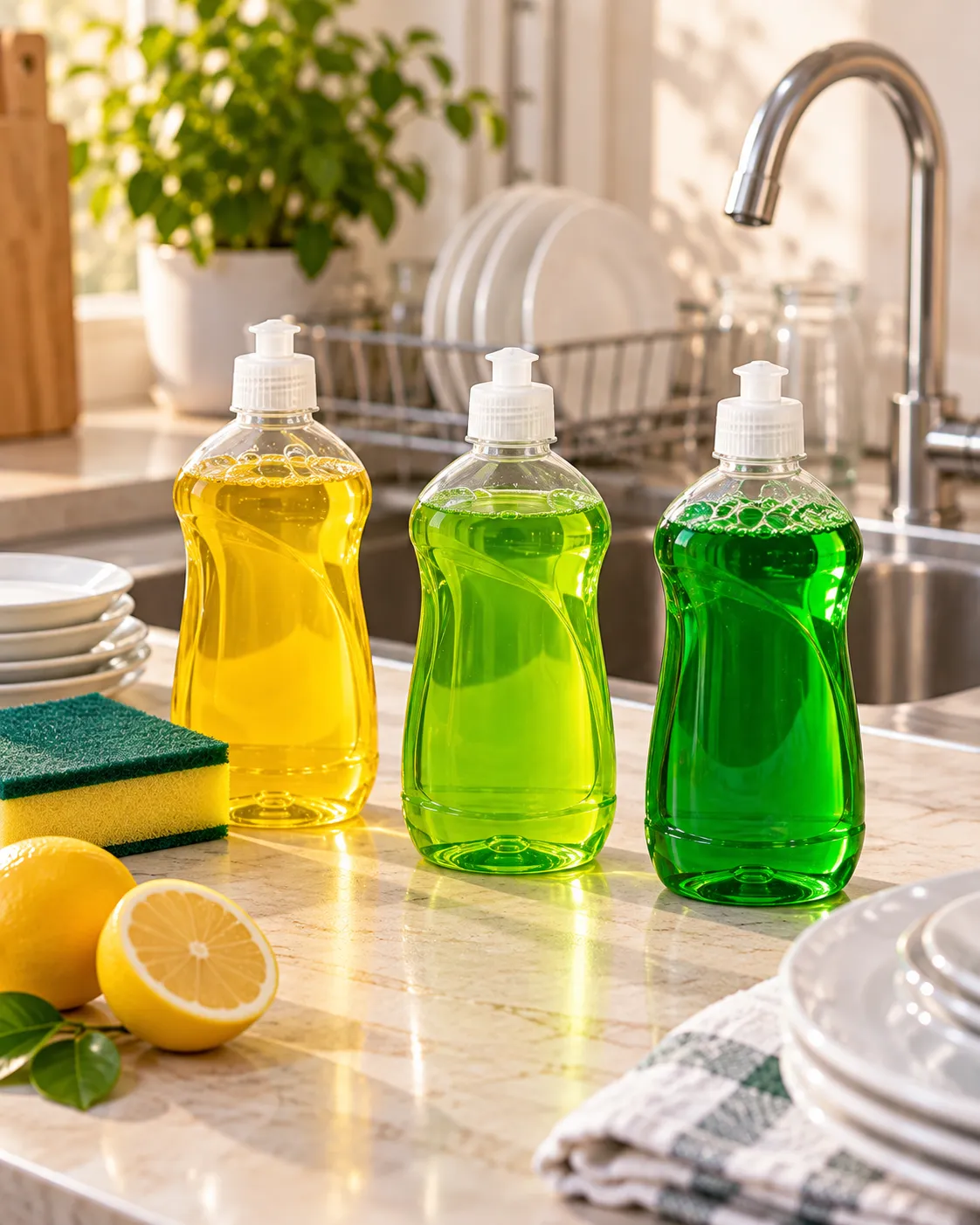
Yellow and green dishwash liquids in three bottles beside a kitchen sink Dishwash liquid grades600 × 750
Category 02

Dishwash Liquid Making

Understand the relationship between cleaning, grease cutting, foam, mildness, viscosity and cost.

Economy Grade Dishwash Medium Grade Dishwash Premium Dishwash Concentrated / Premium Dishwash
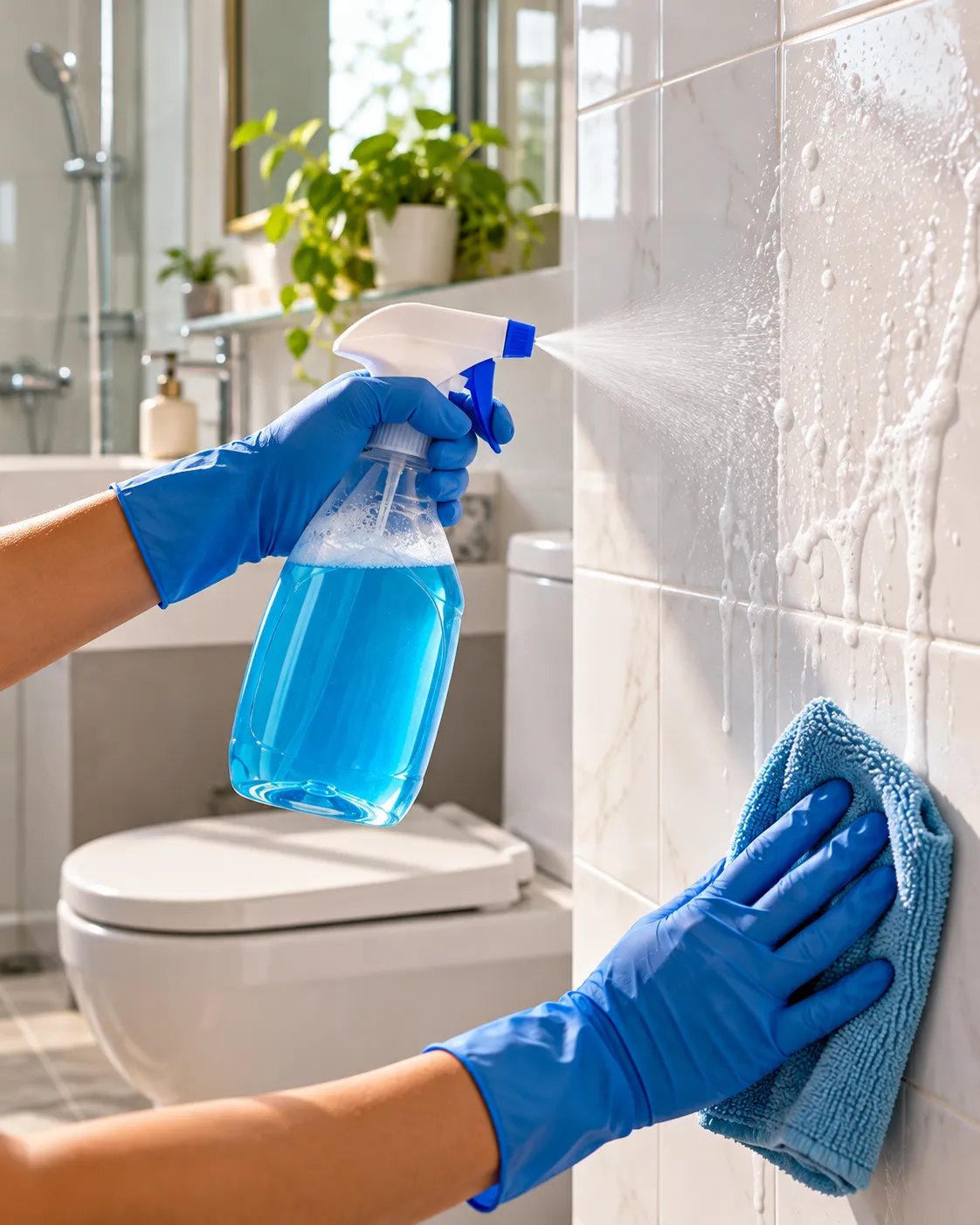
Gloved hands spraying and wiping bathroom tiles with a bathroom cleaner Bathroom cleaner on tiles600 × 750
Category 03

Bathroom Cleaner Making

Understand soap scum, hard-water deposits, stains, cleaning systems and surface compatibility.

Regular Bathroom Cleaner Premium Bathroom Cleaner Thick Bathroom Cleaner
Thick toilet cleaner600 × 750
Category 04

Toilet Cleaner Making

Learn the fundamentals of acid-based toilet-cleaning systems, viscosity, cling, stability and packaging compatibility.

Regular Thick Toilet Cleaner Premium Toilet Cleaner
Streak-free glass & mirror600 × 750
Category 05

Glass & Mirror Cleaner

Understand why ordinary cleaners may leave streaks and how clear, quick-drying cleaning systems are developed.

Glass Cleaner Mirror Cleaner
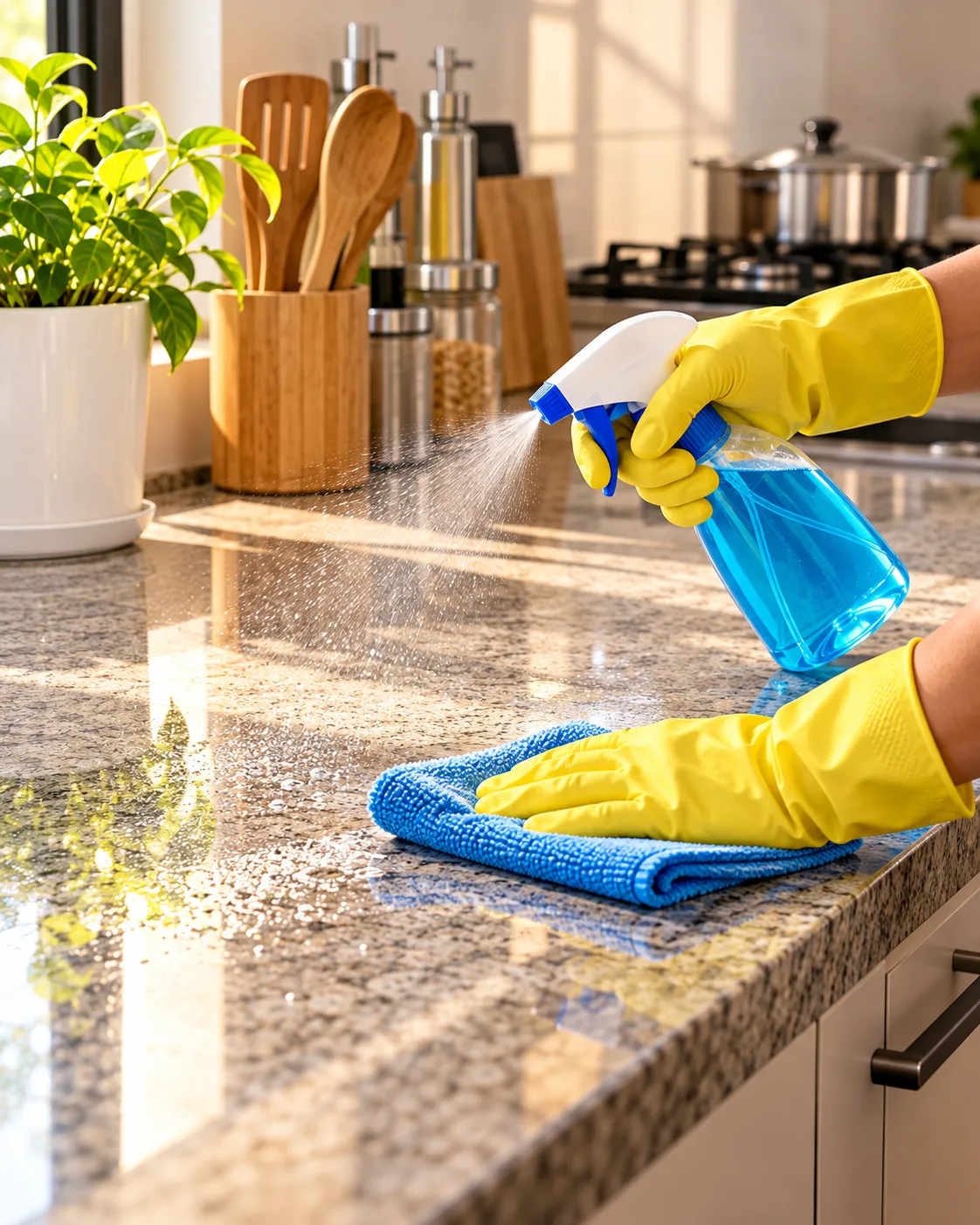
Gloved hands spraying and wiping a kitchen counter with a multipurpose cleaner Multipurpose cleaner in a kitchen600 × 750
Category 06

Multipurpose Cleaner

Learn how to develop a versatile cleaning product suitable for multiple household surfaces and applications.

Multipurpose Surface Cleaner Premium Fragranced Multipurpose Cleaner
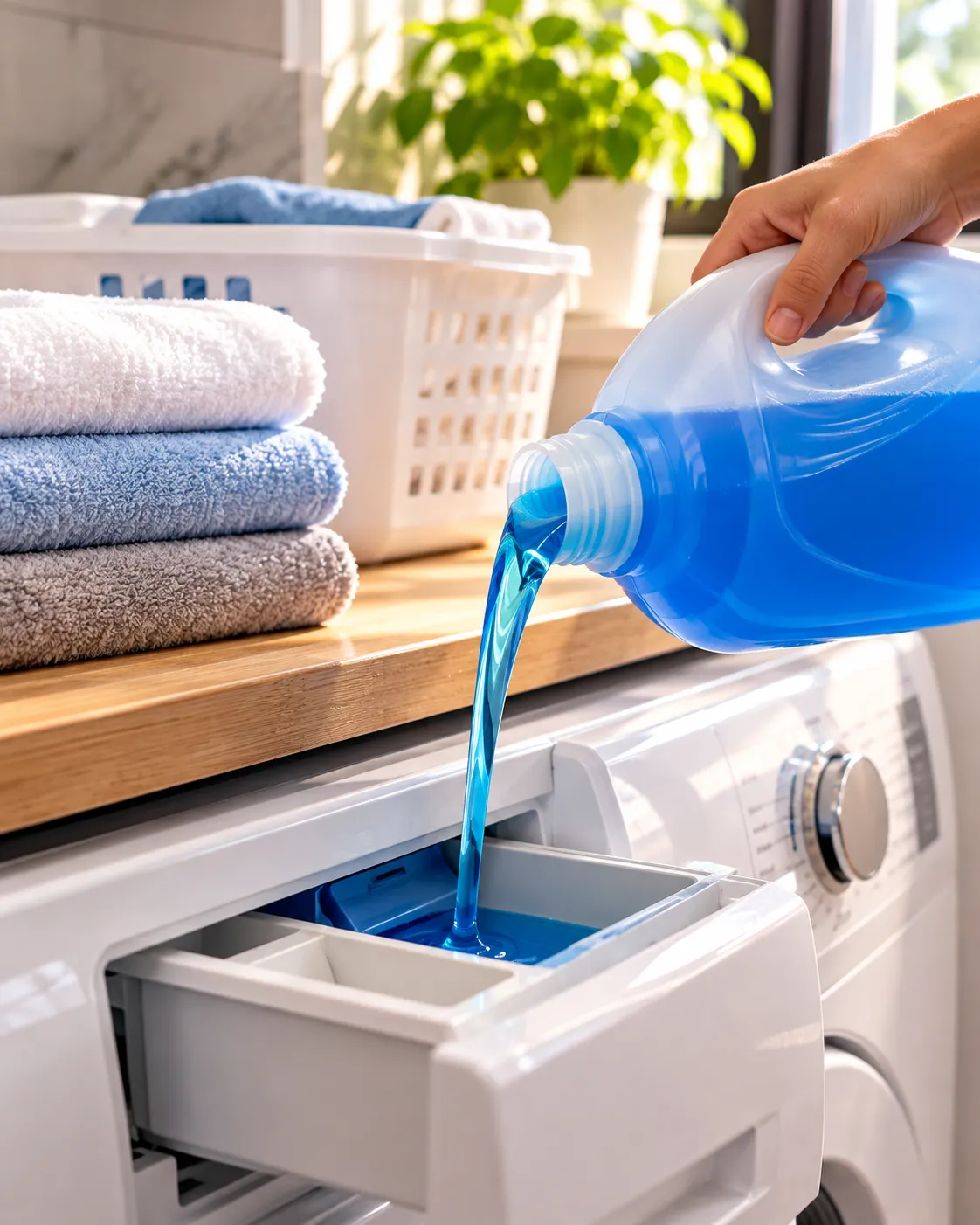
Blue liquid laundry detergent being poured into a washing machine drawer Liquid laundry detergent & fabrics600 × 750
Category 07

Liquid Laundry Detergent

Understand fabric cleaning, surfactants, builders, enzymes, controlled foam, machine washing and delicate-fabric requirements.

Economy Hand-Wash Liquid Detergent Medium Grade Hand-Wash Liquid Detergent Premium Hand-Wash Liquid Detergent Machine-Wash Liquid Detergent Premium Liquid Laundry Detergent Mild Liquid Wash for Silk & Delicate Fabrics
The CSDO Learning Method

We Don't Want You to Memorise Formulas. We Want You to Understand What You're Making.

A formula can tell you what quantity to add.

But it cannot automatically teach you:

  • Why the ingredient is there.
  • Why the viscosity changed.
  • Why the product separated.
  • Why the foam is poor.
  • Why the colour changed.
  • Why one formulation performs better.
  • Why one formula costs ₹20 per litre and another costs ₹50 per litre.
More Than a Formula

That understanding is what we want students to begin developing.

Learner observing a batch & taking notes800 × 500

Our learning process follows a structured journey—from understanding the ingredients to improving the next batch.

Our Learning Process

  1. 01Understand
  2. 02Formulate
  3. 03Make
  4. 04Observe
  5. 05Test
  6. 06Troubleshoot
  7. 07Cost
  8. 08Improve

The Purpose Is to Gradually Move From Being a Formula Follower to Becoming a More Thoughtful Product Maker.


Meet Your Mentor

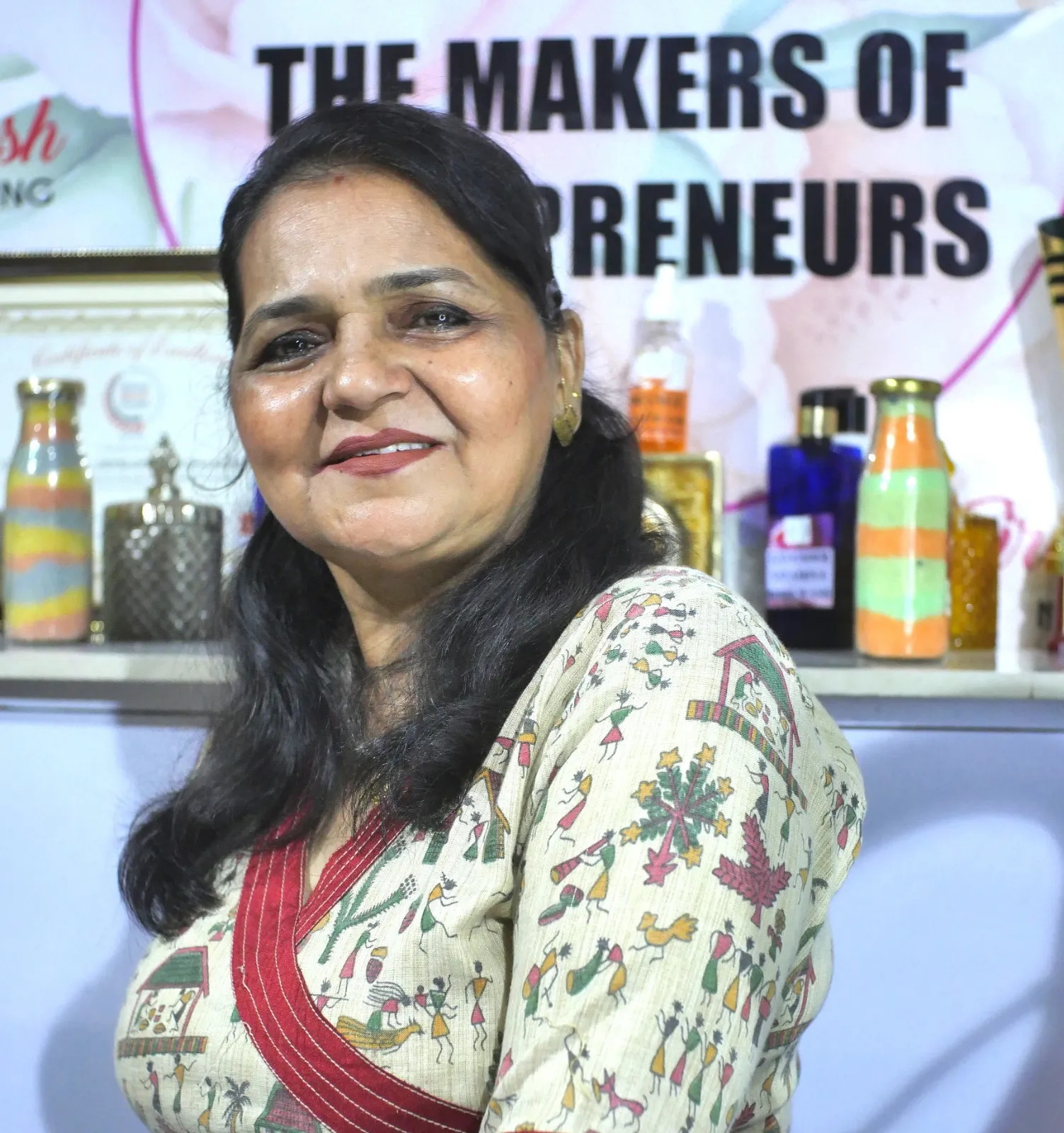
Ms Anita Sabharwal, CSDO mentor for the Home Carepreneur Silver Level program Your Mentor Ms Anita SabharwalCSDO · Home Carepreneur – Silver Level
Meet Your Mentor

Learn With Ms Anita Sabharwal

Ms Anita Sabharwal is one of CSDO's expert mentors and guides learners through the Home Carepreneur Silver Level program.

Across the program she takes you from ingredient fundamentals to product making, troubleshooting, costing and commercial thinking for professional Home Care products.

Learn From Someone Who Understands Both Practical Training and Entrepreneurship.

Learning Outcomes

By the End of This Program, You Should Be Able To

  • Understand the basic science behind major Home Care product categories.
  • Recognise the role of important surfactants, solvents, emulsifiers, thickeners, preservatives and supporting ingredients.
  • Understand the difference between economy, medium and premium formulations.
  • Make the Home Care products covered in the program.
  • Understand basic pH management.
  • Understand viscosity and thickening principles.
  • Recognise common reasons for separation and instability.
  • Understand the relationship between cleaning performance, foam, mildness and product cost.
  • Scale formulations into different batch sizes.
  • Calculate approximate manufacturing cost per litre.
  • Begin selecting suitable packaging.
  • Understand basic product labelling considerations.
  • Plan a starter Home Care product range.
  • Understand basic B2C, reseller, institutional and housekeeping opportunities.
  • Take the first structured steps towards developing your own Home Care brand.
Before & After

Before CSDO. After CSDO.

BeforeAfter
Following random internet formulasFollowing a structured formulation-learning process
Knowing ingredient names but not their functionsBeginning to understand ingredient functions
Believing more foam always means more cleaningUnderstanding foam versus actual cleaning performance
Making only one grade of a productUnderstanding economy, regular and premium product concepts
Adding salt without understanding viscosity behaviourLearning basic thickening principles
Confused when a product separatesBeginning to identify possible causes of instability
Changing ingredients randomly when a formulation failsTroubleshooting more systematically
No clear idea of product costingCalculating basic manufacturing cost
No understanding of batch scalingUnderstanding batch calculation and scaling
Thinking only about making the productBeginning to think like a Home Care product developer
Random formula vs structured product range800 × 600

From Following Formulas to Beginning to Think Like a Home Care Product Developer.

Your Home Carepreneur Journey

From Phenyl Fundamentals to Delicate Fabric Wash — Day by Day

Every day covers Concept & Theory Practical Entrepreneur Focus

Complete Day-by-Day Curriculum

Days 1–8

Phenyl, Dishwash & Bathroom Cleaner

Day 01Introduction to Home Care Industry + Phenyl Fundamentals

Concept & Theory

  • Importance of Home Care products in everyday life
  • Understanding the growing FMCG and hygiene category
  • Household cleaners versus professional and institutional cleaners
  • Introduction to professional Home Care ingredients
  • Understanding: Surfactants · Emulsifiers · Solvents · Fragrances · Preservatives · Thickeners
  • What is phenyl?
  • How does phenyl work?
  • Types of phenyl available in the market

Practical

  • Understanding important raw materials through actual examples
  • Making Phenyl Compound / Concentrate

Entrepreneur FocusUnderstand how phenyl concentrate and ready-to-use phenyl can become two separate product opportunities.

Day 02Professional Phenyl Manufacturing

Concept & Theory

  • Detailed understanding of phenyl emulsifiers
  • Selecting the right emulsifier
  • Phenyl thickening systems
  • Fragrance selection
  • Fragrance solubilisation
  • Preventing separation
  • Controlling viscosity
  • Controlling product appearance
  • Understanding the importance of water quality
  • Product stability

Practical

  • Regular Ready-to-Use Phenyl
  • Thick Professional Phenyl
  • Perfumed Phenyl

Learning OutcomeBegin formulating stable, attractive and commercially suitable phenyl products.

Day 03Specialty & Premium Phenyl

Concept & Theory

  • How value can be added to a basic phenyl formulation
  • Herbal product positioning
  • Essential oils and fragrance concepts
  • Aromatherapy-inspired Home Care concepts
  • Colour and fragrance combinations
  • Stability
  • Troubleshooting

Practical

  • Herbal Phenyl
  • Premium Perfumed Phenyl
  • Aromatherapy Phenyl

Entrepreneur FocusUnderstand how one basic product category can be expanded into economy, premium and specialty variants.

Day 04Dishwash Fundamentals & Economy Grade

Concept & Theory

  • What makes a dishwash liquid effective?
  • Foam versus actual cleaning power
  • Role of important surfactants and supporting ingredients
  • Understanding SLES
  • Understanding LABSA
  • Understanding CAPB
  • pH adjustment
  • Basic thickening principles
  • Cost-performance balance

Practical

  • Economy Grade Dishwash Liquid

Entrepreneur FocusLearn how a product can be designed for a highly price-sensitive market.

Day 05Medium Grade Dishwash

Concept & Theory

  • Improving grease-cutting performance
  • Foam boosting
  • Improving mildness
  • Fragrance selection
  • Colour selection
  • Viscosity control
  • Understanding salt thickening
  • Preservative selection
  • Balancing performance and cost

Practical

  • Medium Grade Dishwash Liquid

Learning OutcomeUnderstand how changes in a formulation can influence: cost · viscosity · foam · cleaning performance · product feel.

Day 06Premium Dishwash + Commercial Development

Concept & Theory

  • Premium surfactant combinations
  • Improving hand feel
  • High-performance degreasing
  • Lemon and specialty variants
  • Concentrated versus regular dishwash
  • Common formulation problems: thin product · separation · cloudy appearance · poor foam

Practical

  • Premium Dishwash Liquid
  • Concentrated / Premium Dishwash Variant

Entrepreneur FocusCompare Economy vs Medium vs Premium Dishwash on: raw-material selection · performance · cost · pricing · customer positioning.

Day 07Bathroom Cleaner Fundamentals

Concept & Theory

  • Understanding bathroom soil
  • Soap scum
  • Hard-water deposits
  • Acidic versus alkaline cleaners
  • Professional cleaning ingredients: surfactants · acids · solvents · chelating agents
  • Surface compatibility
  • pH
  • Safe handling precautions

Practical

  • Regular Bathroom Cleaner
Day 08Premium Bathroom Cleaner

Concept & Theory

  • Improving cleaning strength
  • Fragrance
  • Appearance
  • Thickened bathroom-cleaner systems
  • Stain removal
  • Scale removal
  • Product stability
  • Surface testing
  • Usage precautions

Practical

  • Premium Bathroom Cleaner
  • Thick Bathroom Cleaner

Entrepreneur FocusUnderstand products that may be positioned for: homes · housekeeping agencies · hotels · offices · institutions.

Days 9–15

Toilet, Glass, Multipurpose & Laundry

Day 09Toilet Cleaner Fundamentals

Concept & Theory

  • How toilet cleaners work
  • Acid-based cleaning systems
  • Understanding professional acids
  • Understanding acid-compatible thickeners
  • Correct viscosity
  • Colour
  • Fragrance
  • Acid-resistant ingredients
  • Safety and handling precautions

Practical

  • Regular Thick Toilet Cleaner
Day 10Premium Toilet Cleaner & Troubleshooting

Concept & Theory

  • Premium formulation development
  • Improved cling time
  • Stain removal
  • Scale removal
  • Maintaining viscosity in acidic systems
  • Common formulation failures
  • Possible corrections
  • Packaging compatibility

Practical

  • Premium Toilet Cleaner
  • Commercial comparison testing

Entrepreneur FocusUnderstand the relationship between product performance and raw-material cost.

Day 11Glass & Mirror Cleaner

Concept & Theory

  • Why some ordinary cleaners leave streaks
  • Understanding suitable solvents
  • Understanding surfactants
  • Fast evaporation
  • Streak-free cleaning
  • Fragrance
  • Product clarity

Practical

  • Glass Cleaner
  • Mirror Cleaner

Learning OutcomeDevelop an understanding of professional clear, quick-drying and streak-free cleaner concepts.

Day 12Multipurpose Cleaner

Concept & Theory

  • Understanding multipurpose cleaning
  • Choosing suitable surfactants
  • Choosing solvents
  • Cleaning grease
  • Cleaning general dirt
  • Floor-cleaning applications
  • Kitchen-cleaning applications
  • General surface-cleaning applications
  • Fragrance system
  • Preservative system
  • Dilution concepts

Practical

  • Multipurpose Surface Cleaner
  • Premium Fragranced Multipurpose Cleaner

Entrepreneur FocusUnderstand how one versatile formulation category can serve multiple consumer applications.

Day 13Liquid Laundry Detergent for Hand-Washed Clothes

Concept & Theory

  • How laundry detergents work
  • Understanding fabric types: cotton · synthetic · blended · coloured garments
  • Role of surfactants
  • Role of builders
  • Role of chelating agents
  • Role of enzymes
  • Balancing foam and cleaning
  • Requirements of hand-wash laundry detergents

Practical

  • Economy Grade Liquid Detergent for Hand Washing
  • Medium Grade Liquid Detergent for Hand Washing
  • Premium Grade Liquid Detergent for Hand Washing

Learning FocusSee how the same product category can be developed at different price and performance levels.

Day 14Machine-Wash Laundry Liquid – Formulation & Premium Grades

Concept & Theory

  • Hand wash versus machine wash
  • Front-load versus top-load requirements
  • Controlled-foam systems
  • Soil removal
  • Detergency
  • Fragrance retention
  • Enzymes
  • Specialty ingredients
  • Premium formulation development

Practical

  • Machine-Wash Liquid Detergent
  • Premium Liquid Laundry Detergent
Day 15Specialty Laundry Care: Delicate & Premium Fabric Wash

Concept & Theory

  • Understanding delicate fabrics: silk · wool · premium garments
  • Mild surfactant systems
  • Maintaining fabric softness
  • pH control
  • Protecting colour
  • Protecting fabric feel

Practical

  • Mild Liquid Wash for Silk & Delicate Fabrics
  • Final formulation practice

Then the Final Stage: From Product Making to Business Thinking.

Business Foundation

From Product Making to Business Thinking

Making a good product is only one part of the journey. The final stage of Home Carepreneur introduces students to the commercial side of product development.

  • Raw-material sourcing
  • Selecting economical versus premium ingredients
  • Basic production setup
  • Batch calculation
  • Scaling a formula
  • Costing per litre
  • Packaging selection
  • Basic labelling concepts
  • Product-range planning
  • Quality-control checklist
  • Troubleshooting
  • Starting from home with a smaller investment
  • B2C markets
  • Reseller markets
  • Institutional markets
  • Housekeeping markets
  • Beginning to build your own Home Care brand


Now you are no longer thinking about one formulation. You are beginning to think about a Home Care product portfolio.

The purpose of Home Carepreneur Silver Level is to give you the foundation from which that journey can begin.

An assortment of home care products — detergents, dishwash and spray cleaners — on a table Your own Home Care product range1200 × 675
What You Get

What Do You Get When You Join?

16 Days of Structured Home Care Learning

A focused learning journey covering major Home Care product categories.

Theory + Practical Learning

Understand important concepts and see how formulations are developed practically.

Multiple Product Categories

Learn across Phenyl, Dishwash, Bathroom Cleaner, Toilet Cleaner, Glass Cleaner, Multipurpose Cleaner and Laundry Detergent.

Economy to Premium Product Thinking

Understand how raw materials, performance and cost influence different product grades.

Raw-Material Knowledge

Learn the functions of important professional Home Care ingredients.

Formulations

Receive the formulations covered as part of the applicable program.

Troubleshooting Knowledge

Understand common problems involving viscosity, separation, foam, stability, clarity and formulation behaviour.

Basic Costing & Scaling

Understand batch calculations and approximate manufacturing cost per litre.

Packaging & Product-Range Foundation

Begin understanding suitable packaging and how multiple products can form one brand range.

Business Foundation

Understand introductory B2C, reseller, institutional and housekeeping opportunities.

Certificate

Certificate subject to CSDO's applicable course-completion requirements.

Course Details

CSDO Home Carepreneur – Silver Level

Program Type
Professional Home Care Product Making Program
Duration
16 Structured Learning Days
Training
Theory + Practical Product Making + Troubleshooting + Business Foundation
Level
Beginner to Professional Foundation
Products Covered
Phenyl, Dishwash Liquid, Bathroom Cleaner, Toilet Cleaner, Glass Cleaner, Mirror Cleaner, Multipurpose Cleaner, Liquid Laundry Detergent and Delicate Fabric Wash
Product Positioning
Economy · Regular · Medium · Premium · Specialty
Language
Hinglish
Certificate
Yes, subject to CSDO's applicable completion requirements
Mode
To Be Announced
Course Fee
To Be Announced
Next Batch
To Be Announced
Ready to Begin?
FAQs

Frequently Asked Questions

Do I need previous experience in Home Care product making?

No. The program begins with Home Care fundamentals, ingredient understanding and basic formulation concepts before moving into more detailed practical product development.

Is this course only for people who want to start a business?

No. You can join to learn professional Home Care product making as a skill. However, the program also includes business-oriented topics for learners interested in taking the skill commercially.

Which products are covered?

The program covers Phenyl, Dishwash Liquid, Bathroom Cleaner, Toilet Cleaner, Glass Cleaner, Mirror Cleaner, Multipurpose Cleaner, Liquid Laundry Detergent and Mild Wash for Delicate Fabrics.

Will I learn different grades of products?

Yes. One of the important concepts of the program is understanding how economy, medium, regular, premium and specialty product positioning can differ.

Will you explain the raw materials?

Yes. Ingredient knowledge is an important part of the program. Students are introduced to professional ingredient categories including surfactants, emulsifiers, solvents, acids, builders, chelating agents, enzymes, thickeners, fragrances and preservatives.

Will I only receive recipes?

No. The purpose of the program is to go beyond recipes. Students learn about ingredient functions, formulation behaviour, processing, pH, viscosity, stability, troubleshooting and costing.

Will I learn professional Phenyl making?

Yes. The Phenyl section includes concentrate/compound, regular phenyl, thick professional phenyl, perfumed phenyl, herbal phenyl, premium perfumed phenyl and aromatherapy concepts.

Will I learn Economy and Premium Dishwash?

Yes. Economy, Medium, Premium and Concentrated/Premium Dishwash concepts are covered.

Will you teach machine-wash Liquid Detergent?

Yes. The program discusses hand-wash and machine-wash requirements, including concepts relevant to front-load and top-load washing.

Is Delicate Fabric Wash included?

Yes. The final part of the laundry module covers a mild liquid wash concept for silk and other delicate fabrics.

Will troubleshooting be covered?

Yes. Troubleshooting is integrated throughout the course. Issues such as separation, low viscosity, excessive or poor foam, cloudiness, instability and formulation failures are discussed in the relevant modules.

Will you teach costing?

Yes. Students are introduced to batch calculation, scaling and basic cost-per-litre calculations.

Will packaging be discussed?

Yes. Basic packaging selection and packaging compatibility are included as part of the commercial foundation.

Will you teach me how to start a Home Care business?

The program provides introductory business guidance including product-range planning, costing, packaging, B2C, reseller, institutional and housekeeping opportunities. Starting a commercial manufacturing business may also require applicable testing, licences, registrations and regulatory compliance.

Can I manufacture commercially immediately after completing the course?

The course gives you a practical foundation in product making and formulation. Before commercial sale, products should be properly standardised and tested, and applicable manufacturing, safety, labelling and regulatory requirements should be followed.

Will I receive study material and formulations?

Yes, according to CSDO's applicable course-material policy.

Will I receive a certificate?

Yes, subject to CSDO's applicable course-completion requirements.

How do I enrol?

Click the Enrol Now button to purchase the course. Once your enrolment is completed, the CSDO team will guide you through the applicable next steps.

Where This Can Lead

A Product Is Only the Beginning

You may join because you want to learn how to make Phenyl. Or Dishwash. Or Liquid Detergent.

But once you begin understanding ingredients, product grades, costing and formulation behaviour, you start seeing something bigger.

  1. 01You begin seeing a product range.
  2. 02You begin understanding how formulations can be adapted.
  3. 03You begin thinking about customers.
  4. 04You begin thinking about cost.
  5. 05You begin thinking about packaging.
  6. 06And eventually, you may begin thinking about your own Home Care brand.

Don't Just Learn How to Make a Cleaner. Learn How to Understand It, Formulate It, Cost It and Develop It.

Start Your Journey

The Cleaning Products Around You Could Become the Beginning of Your Next Skill.

You don't need dozens of random internet recipes. You need a strong foundation.

  1. 01You need to understand the ingredients.
  2. 02You need to see the process.
  3. 03You need to know what to look for when the product goes wrong.
  4. 04And you need to understand the difference between simply making a product and developing one thoughtfully.
Start Your Home Carepreneur Journey With CSDO.

16-Day Program·Theory + Practical·Beginner Friendly·Business-Oriented

  1. Understand
  2. Formulate
  3. Make
  4. Test
  5. Troubleshoot
  6. Cost
  7. Develop
  8. Grow
WhatsApp