
Homemade Whipped Soap Recipe Using Indian Ingredients – Step-by-Step
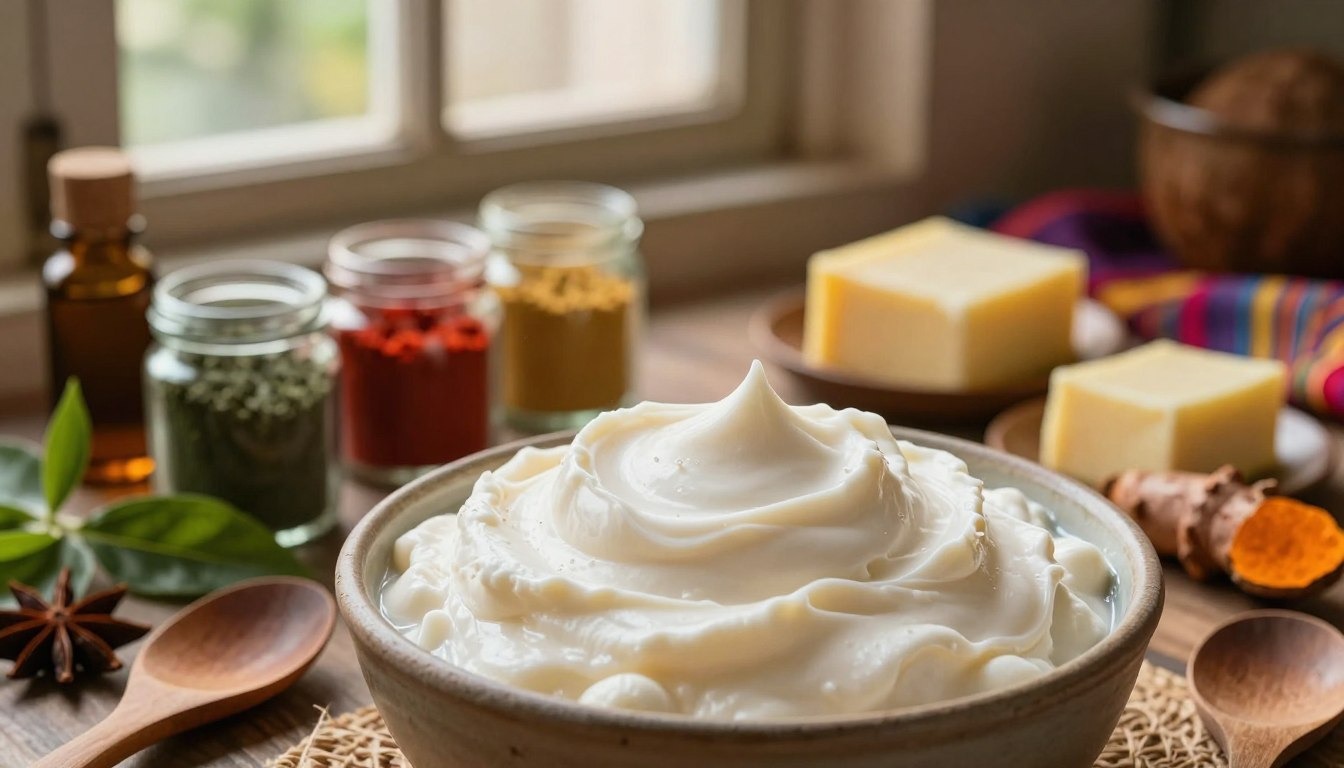
How to Make Whipped Soap at Home with Local Indian Ingredients
Ever wondered why cleansers dry your skin despite claiming to hydrate? True self-care means knowing what touches your skin daily. Your skin deserves nourishing ingredients, not ones that strip away its oils.
Using organic ingredients from India, we can make a gentle alternative. This homemade method values health over mass production. We can get professional results at home with simple steps.
Making your own whipped soap lets you control quality and avoid harsh chemicals. This turns simple materials into a creamy, luxurious lather for every wash. It's like a spa treatment but cheaper than luxury brands.
We mix local treasures like coconut oil and vegetable glycerin for a soft feel. This guide is easy for beginners to make high-quality soap at home. Let's see how these traditional elements benefit your wellness.
Key Takeaways
- Utilize easily accessible Indian botanical oils for deep nourishment.
- Create a cloud-like texture that cleanses without irritation.
- Avoid synthetic detergents found in commercial beauty products.
- Learn a beginner-friendly process suitable for any home kitchen.
- Save money by crafting high-end bath products yourself.
- Customize your scents using local essential oils and extracts.
Understanding Whipped Soap and Its Benefits
Whipped soap is soft and hydrating, changing how we wash our skin. It's a moisturizing cleanser that cleans and nourishes. It's great for those who want a gentle yet effective skincare product.
What is Whipped Soap?
Whipped soap is a type of soap that's light and fluffy, like whipped cream. It gets this texture by adding air to the soap base. This makes it a creamy body wash that feels luxurious.
How Whipped Soap Differs from Regular Soap
Whipped soap is gentle and moisturizing, unlike regular soap. It's made with air and nourishing ingredients. This makes it better for your skin.
Here's how whipped soap is different from regular soap:
- Gentle and moisturizing
- Light and fluffy texture
- Nourishing ingredients
Skin Benefits of Whipped Soap
Whipped soap hydrates, cleans gently, and nourishes the skin. It's perfect for dry or sensitive skin.
Using whipped soap can benefit your skin in many ways:
- Deep hydration
- Gentle cleansing without stripping natural oils
- Nourishment from incorporated ingredients
Essential Ingredients and Tools for Making Whipped Soap
Before you start making whipped soap, it's crucial to understand the ingredients and equipment required. Making whipped soap at home can be a fun and rewarding experience. You'll need the right ingredients and tools.
Complete Ingredients List with Indian Alternatives
The ingredients for making whipped soap can be categorized into several types. Each type serves a specific purpose. Here are the main categories and some Indian alternatives:
Soap Base Options
The soap base is the foundation of your whipped soap. You can use a glycerin soap base or a melt-and-pour soap base. In India, you can find these at local craft stores or online.
- Glycerin soap base
- Melt-and-pour soap base
Oils and Moisturizers
Oils and moisturizers are added to enhance the soap's moisturizing properties. Some popular options include:
- Coconut oil
- Olive oil
- Cocoa butter
- Shea butter
These ingredients help create a nourishing and hydrating whipped soap. It's perfect for dry skin.
Texture and Consistency Agents
To achieve the perfect fluffy texture, you'll need to add texture and consistency agents. Some common ones are:
- Arrowroot powder
- Cornstarch
- Kaolin clay
These ingredients help in creating an exfoliating scrub or a smooth whipped bath foam.
Fragrance and Color Additives
To make your whipped soap more appealing, you can add fragrances and colors. Use essential oils for fragrance and soap-safe colorants for color.
- Essential oils (e.g., lavender, rose)
- Soap-safe colorants
Required Tools and Equipment
Having the right tools and equipment is crucial for making whipped soap. Here's a list of what you'll need:
- Double boiler or a microwave-safe bowl
- Hand mixer or whisk
- Measuring cups and spoons
- Spatula
- Mold to shape your whipped soap
Using organic ingredients and the right tools will help you create high-quality whipped soap. It will be gentle on the skin.
Step-by-Step Guide to Making Whipped Soap at Home
Make luxurious whipped soap at home with just a few steps. This guide will help you from start to finish. You'll get a fluffy texture and a moisturizing cleanser.
Preparation Phase
First, gather all your ingredients and tools. You'll need soap base, oils, glycerin, fragrances, and colorants. Cover your workspace with newspaper or a plastic sheet to avoid mess.
Melting the Soap Base
Melt your soap base in a double boiler or microwave-safe bowl. Stir between each heating until it's fully melted. Choose a high-quality soap base for the best results.
Adding Oils and Glycerin
After melting, add oils and glycerin. This step boosts the soap's moisturizing power. Mix well to combine all ingredients. Glycerin adds a luxurious lather that's gentle on skin.
Whipping Process for Perfect Fluffy Texture
Now, whip the mixture until it's light and fluffy, like whipped cream. Use a hand mixer or stand mixer for this. The right speed and patience are key for a fluffy texture.
"The key to a perfect fluffy texture lies in the whipping process; patience and the right speed are essential."
Adding Final Ingredients
Once fluffy, add fragrances or essential oils and colorants. Mix gently to spread these evenly.
Transferring and Setting
Put your whipped soap in an airtight container. Let it cool and set completely. This step is crucial for it to firm up and be ready to use.
By following these steps, you can make your own whipped soap. Enjoy its moisturizing benefits and luxurious lather at home.
Creative Variations, Storage Tips, and Safety Guidelines
Let's dive into the world of whipped soap. We'll explore creative ideas and practical tips to make your soap-making better. Making whipped soap at home lets you customize it for your skin type and preferences.
Popular Whipped Soap Variations Using Indian Ingredients
Indian ingredients add a rich touch to whipped soap. Here are some fun variations to try:
Coffee Whipped Soap for Exfoliation
Adding coffee grounds to whipped soap makes a great exfoliating scrub. It removes dead skin cells and leaves your skin smooth. Coffee also helps reduce cellulite.
Rose Whipped Soap for Gentle Cleansing
Rose petals or essential oil make a gentle, fragrant soap. It's perfect for sensitive skin. Rose also balances skin pH and has anti-inflammatory effects.
Aloe Vera Whipped Soap for Hydration
Adding aloe vera gel to whipped soap makes it hydrating and soothing. Aloe vera moisturizes and calms irritated skin.
Activated Charcoal Whipped Soap for Detoxification
Activated charcoal makes a detoxifying soap. It draws out impurities, great for oily skin and acne.
Kids-Friendly Whipped Soap
Make a kids-friendly soap with gentle ingredients and fragrances. Add kid-friendly essential oils like lavender for fun bath times.
Storage Tips and Shelf Life
Storing whipped soap right is key to keeping it fresh. Here's how:
- Use an airtight container to prevent drying.
- Keep it away from sunlight and moisture.
- In humid climates, add a desiccant packet.
Homemade whipped soap can last months if stored right. But, use it within weeks for best results.
Important Safety Tips for Beginners
Making whipped soap is fun but follow safety tips:
- Wear gloves and goggles with ingredients.
- Work in a well-ventilated area.
- Keep the area clean and organized.
By following these tips, you can safely enjoy making your own whipped soap.
Conclusion
We showed you how to make whipped soap at home with local Indian ingredients. This method uses organic ingredients for a luxurious lather.
By following our guide, you can make a whipped soap that's good for your skin. It also supports using natural and sustainable products.
We hope you try making different kinds of whipped soap with Indian ingredients. Explore organic skincare and enjoy making your own luxurious lather.
FAQ
How long does homemade whipped soap remain shelf-stable when using organic ingredients?
What is the primary difference between a creamy body wash and a moisturizing cleanser in whipped form?
Can I turn a standard whipped soap recipe into an exfoliating scrub?
Why is my whipped soap not achieving a luxurious lather?
Are these recipes safe for individuals with sensitive skin?
Can whipped soap be used as a replacement for shaving cream?


